.png)
Gravel is one of the most versatile materials in landscaping. It works for driveways, paths, patios, and side yards, and it can look clean and low-maintenance when installed correctly.
But there’s a common frustration: gravel that keeps sinking, disappearing into the soil, or developing soft, uneven patches over time.
When that happens, most people assume they used the wrong type of gravel. In reality, the issue is almost always the base underneath it.
Here’s why gravel sinks and how to fix it so your surface stays stable long-term.
Gravel doesn’t usually fail on its own. It fails because it’s placed on unstable ground.
Over time, three main things cause sinking:
If gravel is placed directly onto dirt, especially loose or organic soil, it will gradually work its way downward.
Rain, foot traffic, and even simple settling cause the gravel to shift into the softer material below.
Without a compacted base, gravel has nothing to sit on.
A proper base layer provides structure and load distribution. Without it, weight from walking, driving, or even watering compresses the gravel into the ground.
Water movement plays a big role in gravel stability.
If water is pooling or flowing under the gravel layer, it slowly carries fine soil particles away and replaces them with voids. Over time, the gravel settles into those empty spaces.
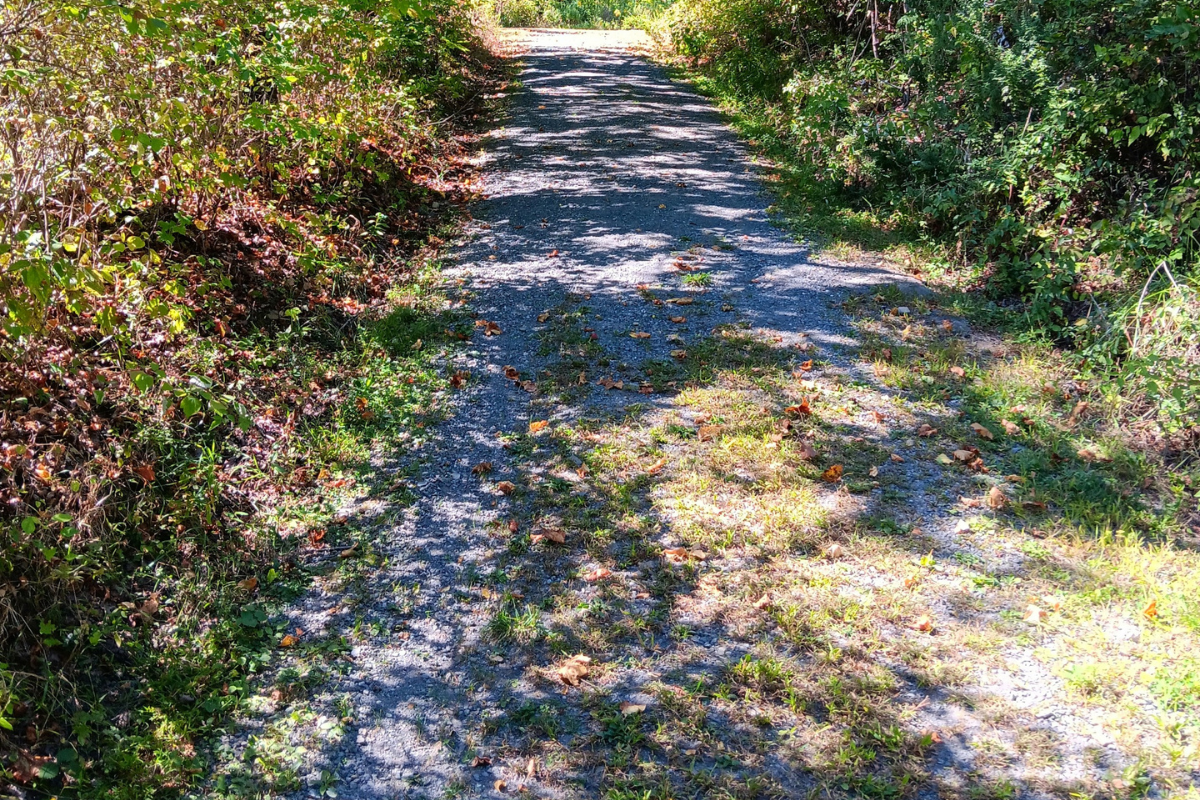
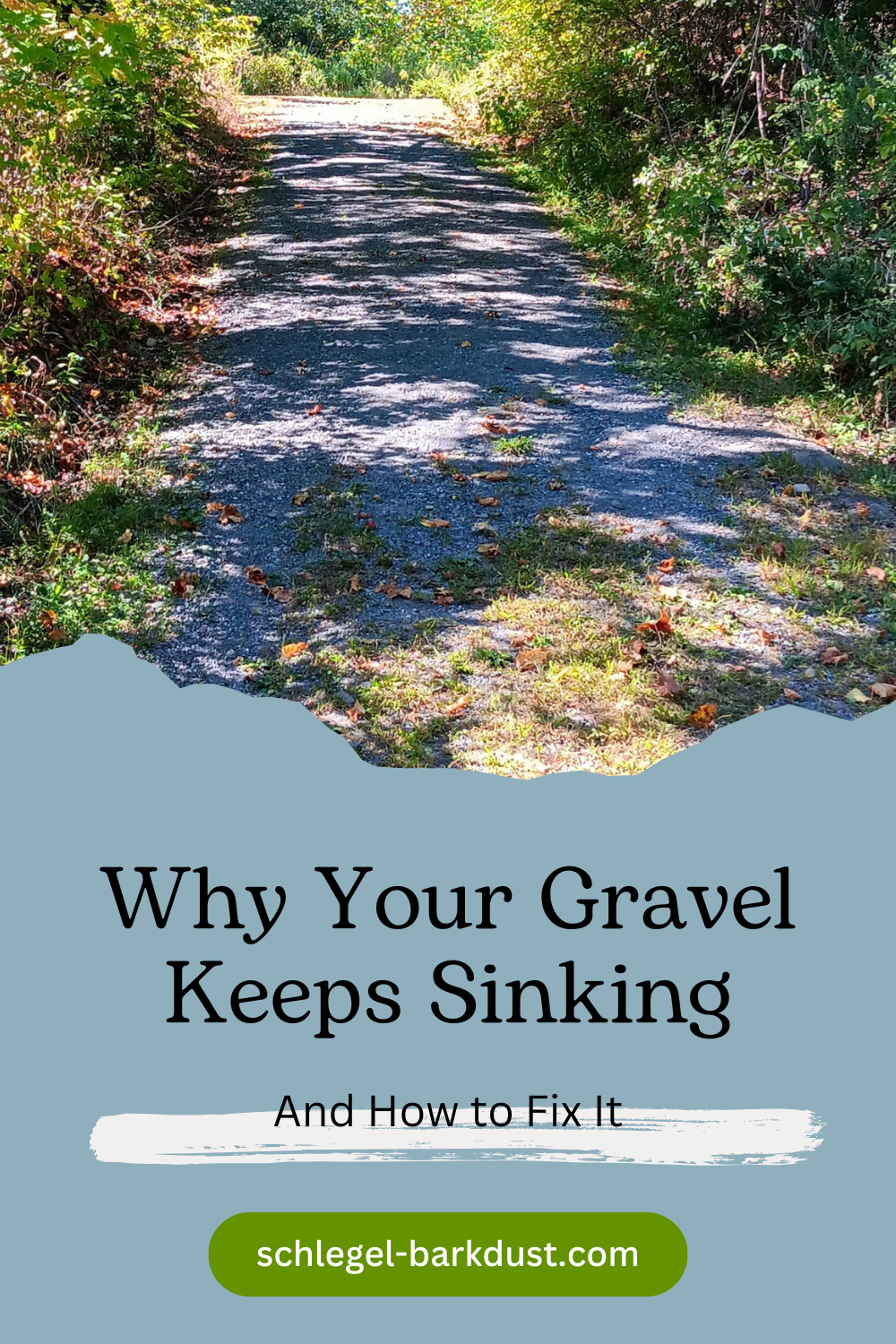
A worn down path with sunken gravel
The good news is that you usually don’t need to replace everything. The fix is about rebuilding the foundation.
Here’s how to correct it properly.
If the gravel has already sunk significantly or become uneven:
You don’t always need to start from scratch, but you do need a stable surface before rebuilding.
This is the most important step.
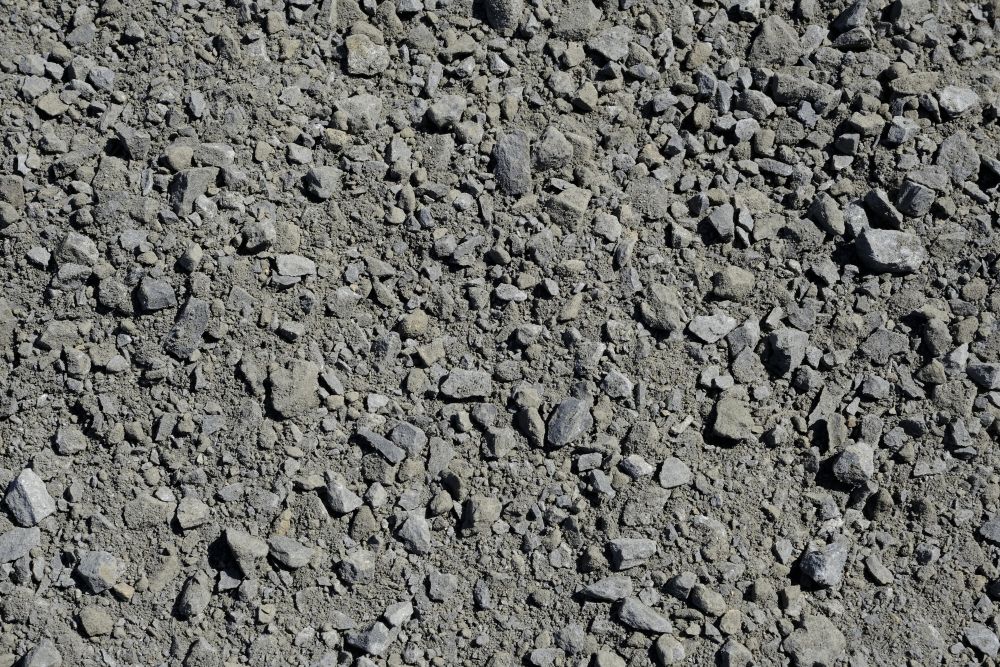
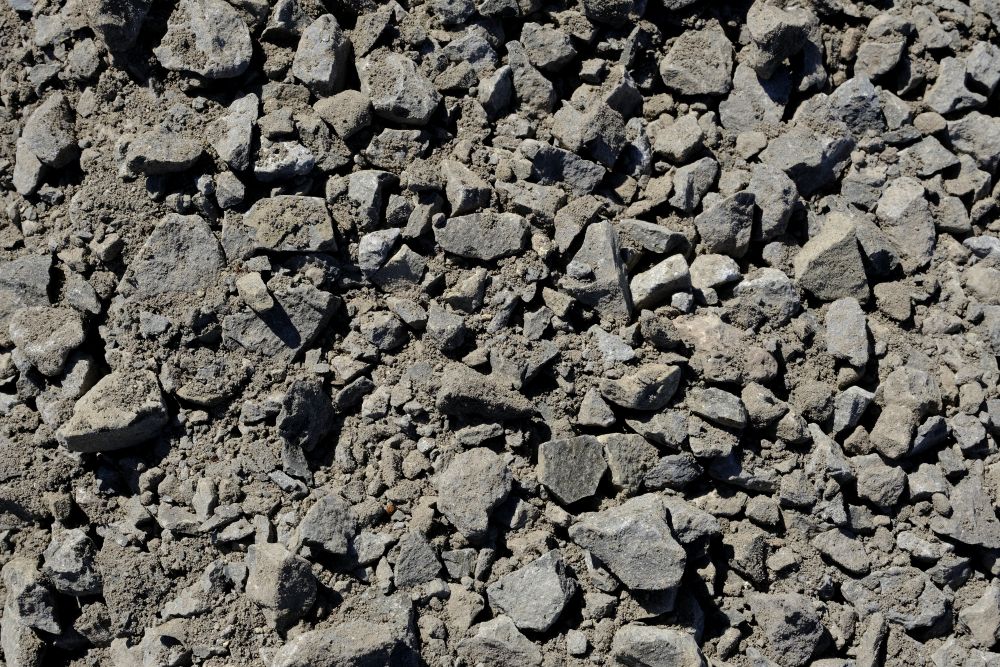
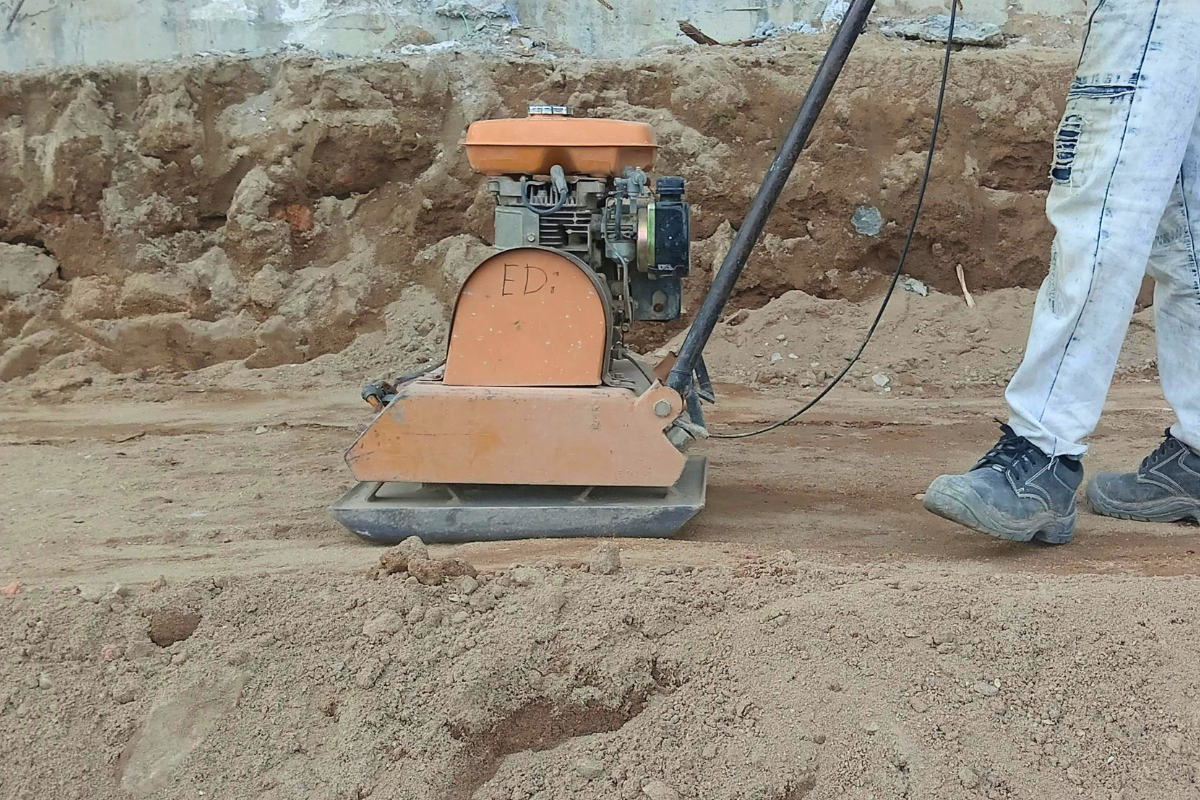
A strong base usually includes a compactable material like crushed rock or road base. These types of materials contain angled rock that locks together while allowing for drainage, as well as rock dust, or “fines”, that help hold the stones in place.
The key here is compaction. The base should be installed in layers and compacted thoroughly so it locks together.
In many cases, a landscape fabric or geotextile layer is used between soil and gravel base.
This step is especially useful in areas with soft or wet soil.
Not all gravel behaves the same.
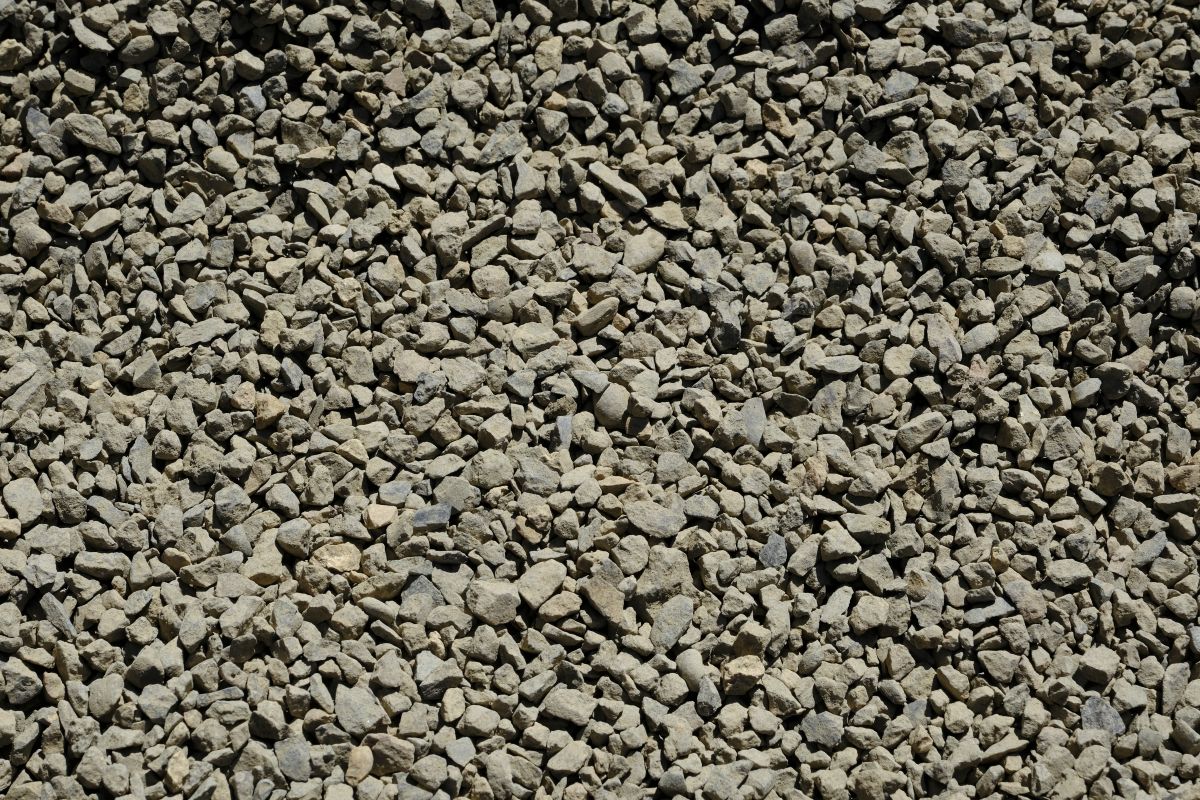
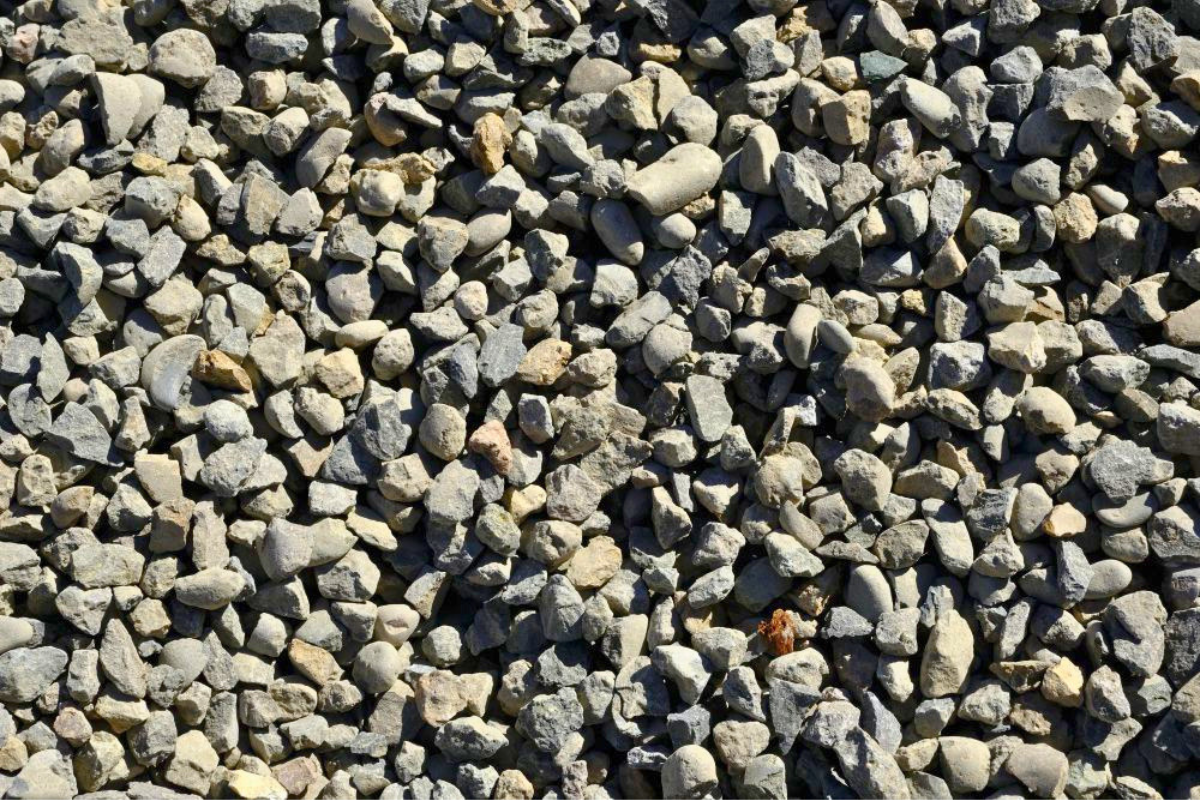
Smaller, rounded gravel tends to shift more, while angular gravel locks together better and creates a more stable surface.
Too little gravel exposes the base. Too much without a solid foundation can still shift over time.
Once gravel is installed:
Gravel is low-maintenance, but not no-maintenance. Small adjustments keep it stable and usable.
A few simple missteps cause most gravel problems:
Fixing even one of these can dramatically improve performance.
Gravel sinking is rarely a gravel problem. It’s a foundation problem.
When the base is properly prepared, compacted, and layered, gravel becomes one of the most durable and low-maintenance landscape materials available.
If your gravel areas are already sinking, the solution isn’t necessarily to replace everything. It’s to rebuild what’s underneath so the surface has something solid to rely on.
And if you’re planning a new project, getting the base right from the start will save you a lot of time and frustration later.
If you need help choosing the right base materials or figuring out how much you need, Schlegel can help you get it done right the first time. Contact us for advice on best gravel types for your project, or to get a quote.