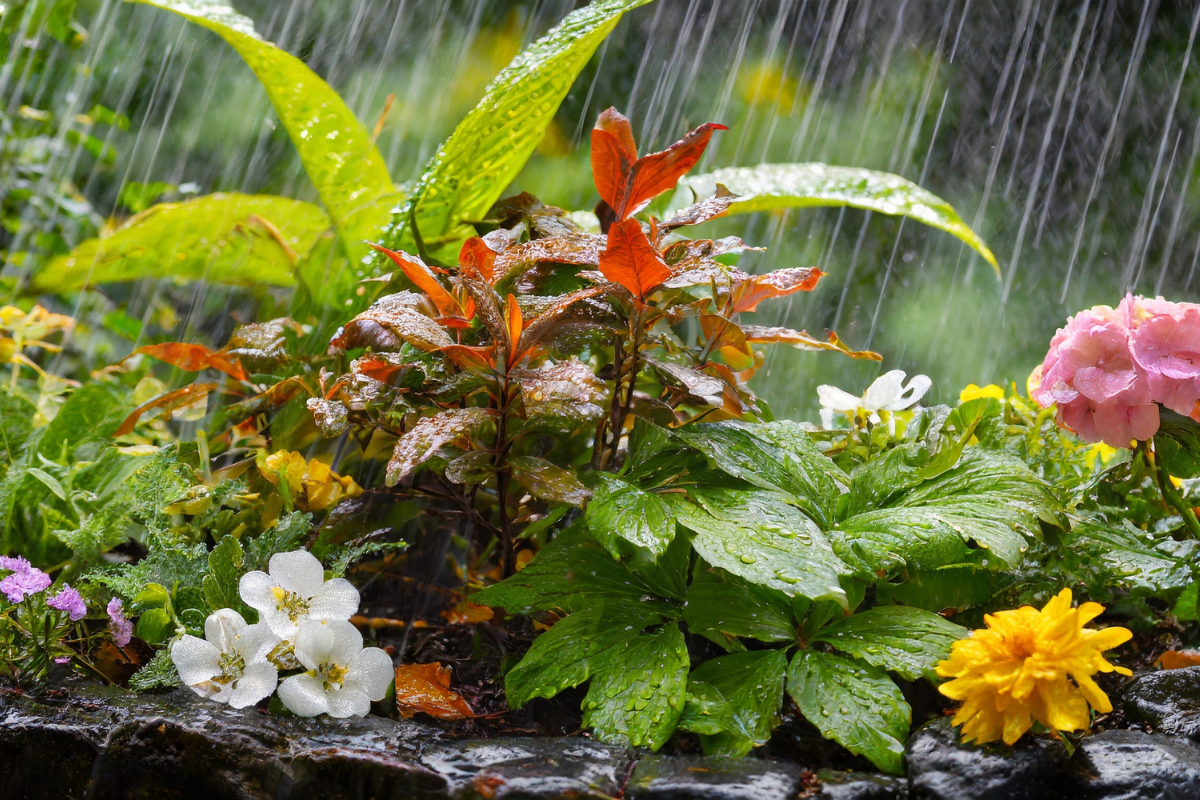
In Oregon, rain doesn’t arrive in dramatic bursts. It settles in. Weeks of steady moisture saturate lawns, soften garden beds, and slowly test the weak points in a landscape.
After a storm, take a walk around your yard and ask a simple question:
Where is the water going?
If the answer is “nowhere” or “toward the house,” it’s time to think about improving your drainage.
Drainage isn’t just about avoiding muddy shoes. When water lingers in the wrong places, it can:
In this region, extended periods of high moisture are normal. What matters is how well your landscape manages it. A yard that drains properly dries out evenly, feels firm underfoot, and doesn’t collect standing water long after a storm.
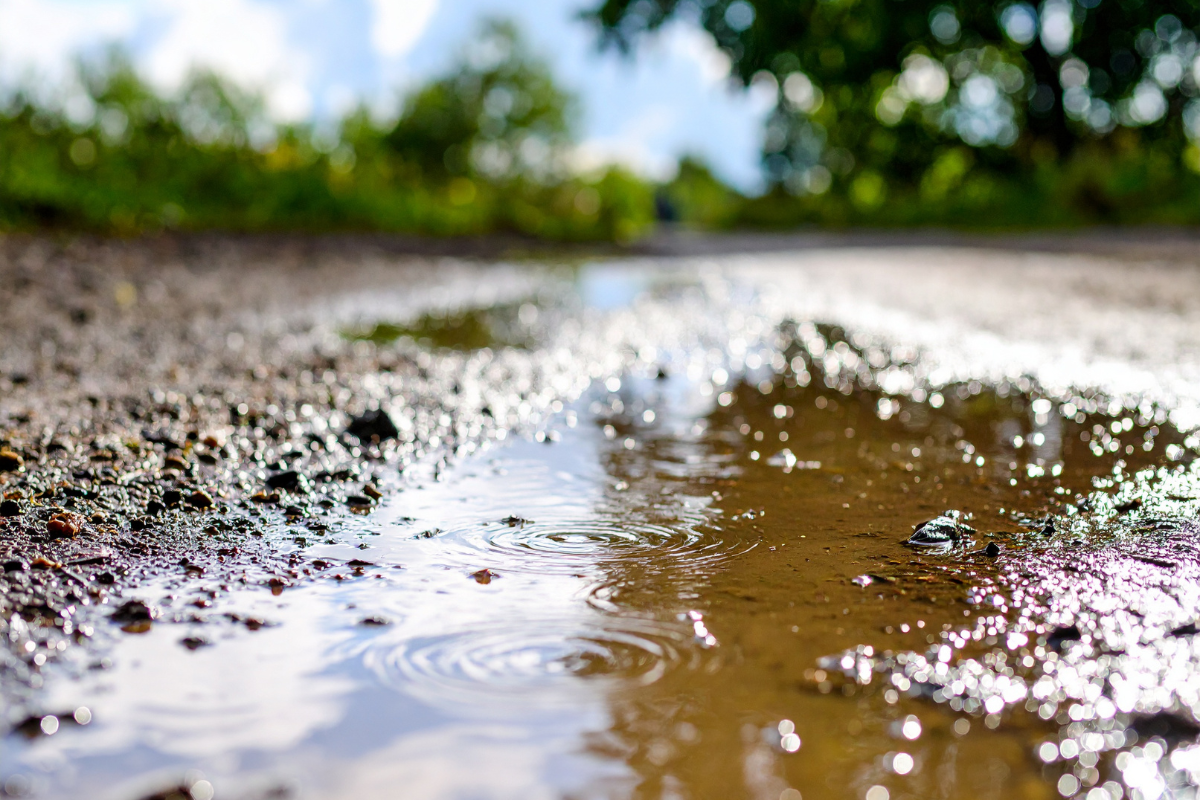
You don’t need special tools to assess drainage—just observation. Start by walking your property within 24–48 hours after a steady rain. Look for:
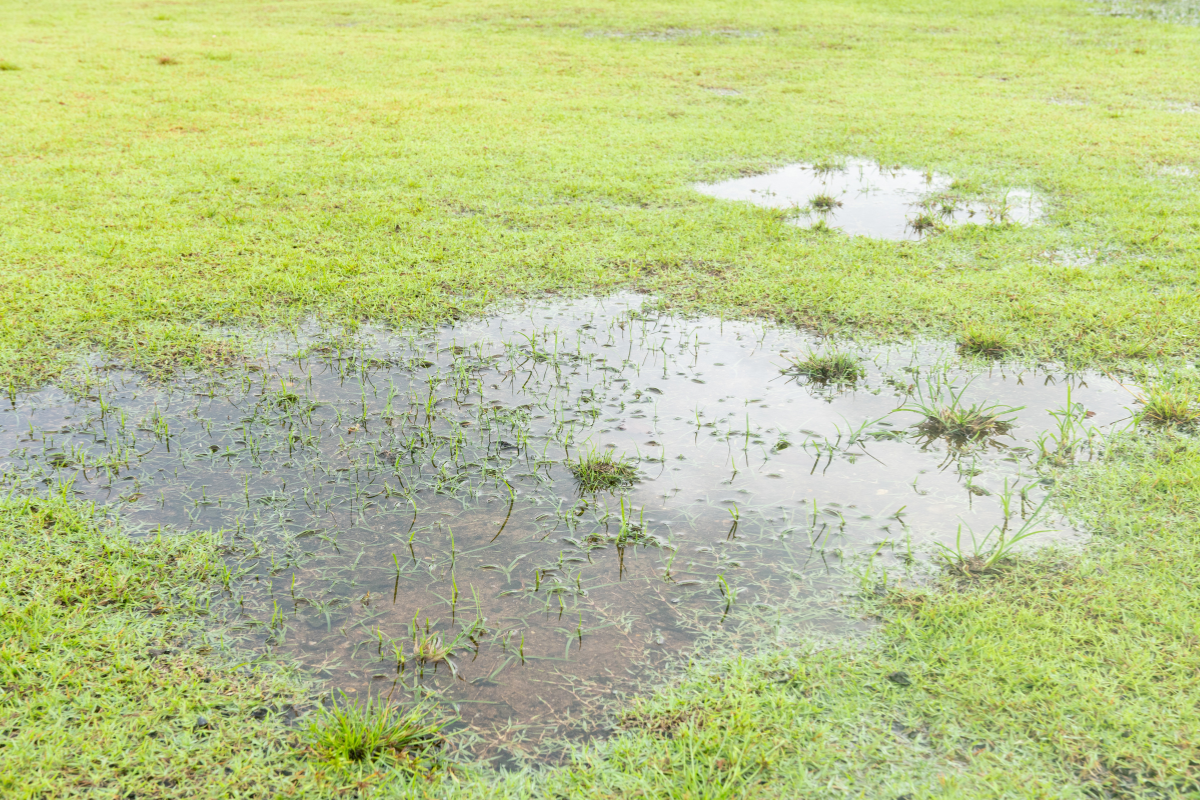
Close up of a rain puddle in a gravel driveway
Spring gives you the clearest picture of how water behaves on your property. Take advantage of it before everything dries out.
Drainage rock is your best friend in your quest for a dry lawn. It’s a clean, angular crushed stone designed to create space between pieces so water can flow freely. Unlike rounded decorative stone, angular rock locks together while still allowing consistent water movement.
Those open gaps are what make it effective. Instead of trapping moisture, it provides a structured path for water to move through soil and away from problem areas. This is what makes drainage rock the go-to material in many drainage solutions.
Not every drainage problem requires the same fix. The right solution depends on where water is collecting and how it’s moving.
Regrading involves adjusting the slope of your yard to encourage water to flow away from structures. A swale is a shallow, gently sloped channel that directs runoff across a property. This solution is ideal when water consistently travels toward your home or pools at the base of a slope. It’s often the simplest and most cost-effective first step.
A French drain is a subsurface system consisting of a perforated pipe surrounded by drainage rock and wrapped in landscape fabric. It collects water underground and redirects it to a safer discharge point. This solution works well for recurring pooling in low areas or along foundations where surface grading alone isn’t enough.
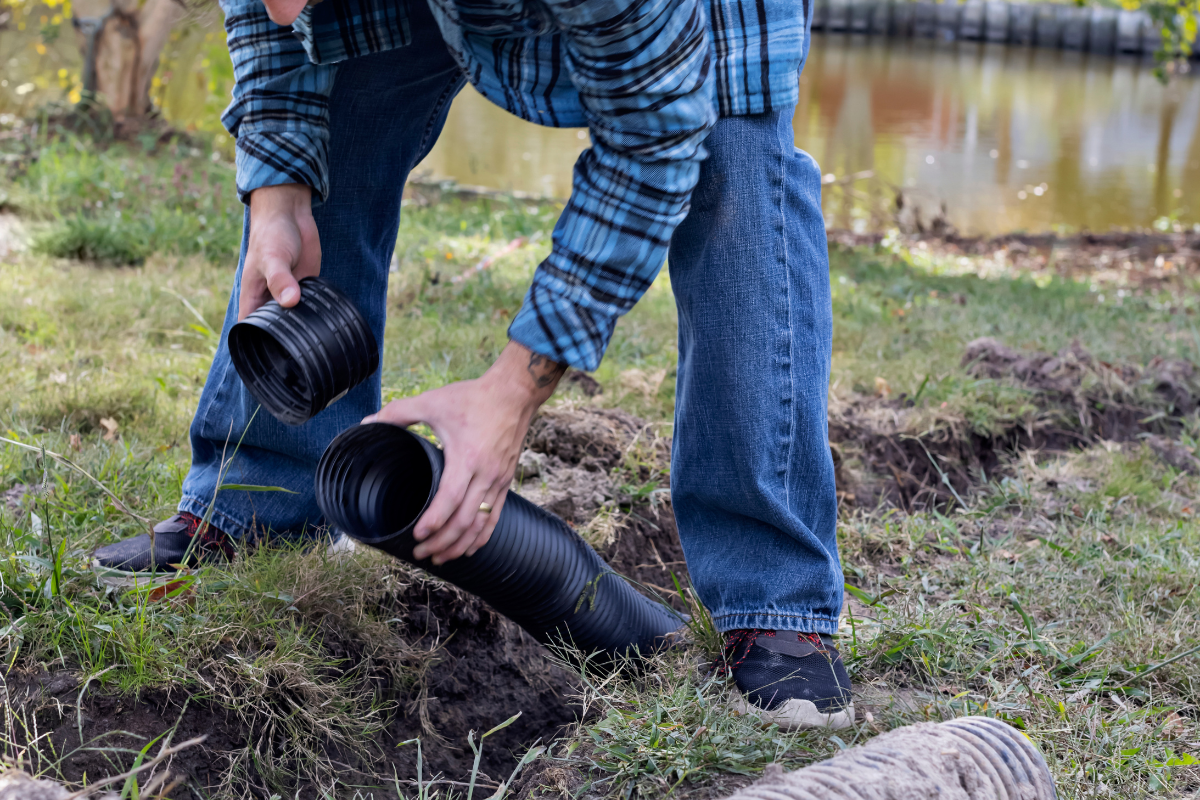
If water collects near your home, improving the material against the foundation can make a significant difference. Replacing heavy, moisture-holding soil with drainage rock allows water to move downward and away more efficiently. This approach is ideal during construction, major landscape renovations, or when persistent foundation moisture is an issue.
Crushed gravel can stabilize muddy surfaces while allowing water to pass through rather than collect. If your driveway or walkway develops ruts each spring, refreshing and properly compacting the base may solve the issue. This is best for surface-level drainage and traffic-heavy areas.
Sometimes the problem isn’t the yard—it’s the roof runoff. Extending downspouts to discharge water farther away from the home can dramatically reduce pooling near the foundation. This is a simple solution that works well when concentrated roof runoff is the primary cause.
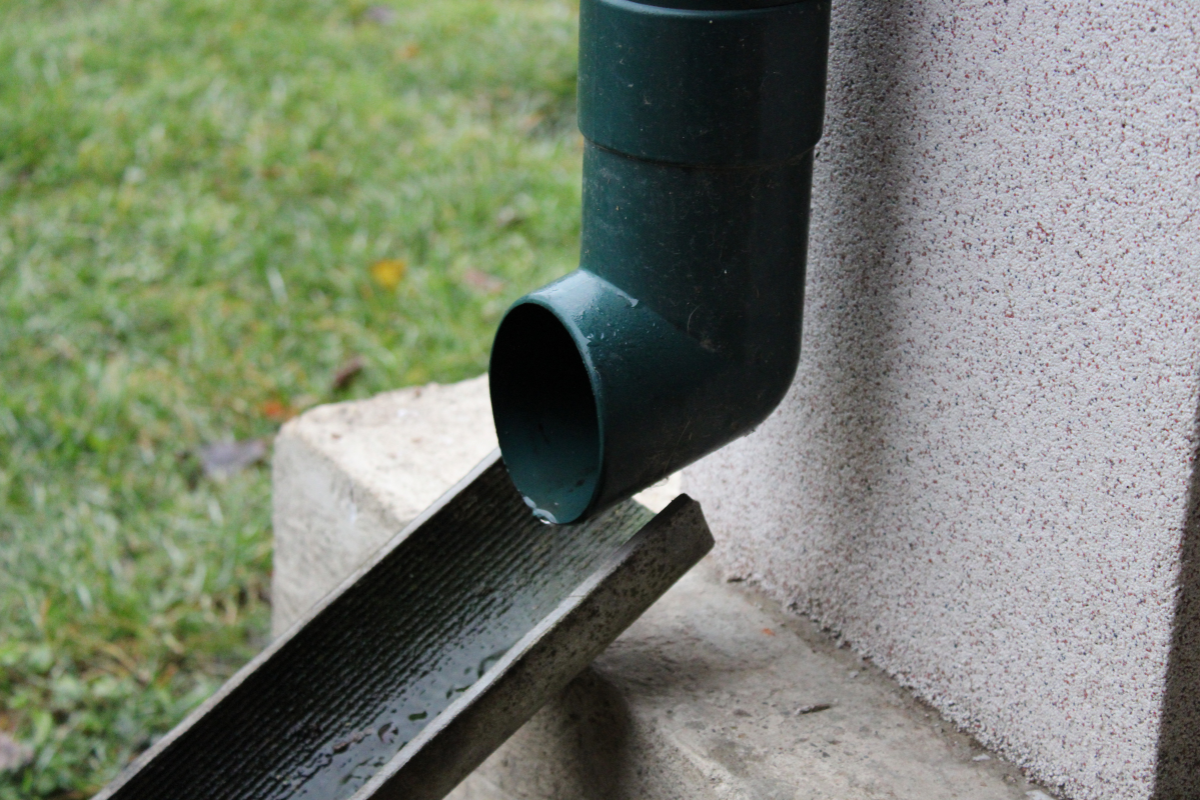
Drainage is easiest to fix when the soil is dry, but the need often becomes obvious during the rainy months.
If you notice water lingering more than a day after rainfall, erosion along slopes, or repeated muddy spots, it’s worth evaluating before installing new hardscape or refreshing barkdust.
It’s also smart to address drainage before upgrading patios, driveways, or garden beds. Water management should come first. A beautiful surface won’t last long if the base beneath it stays saturated.
Whether you're installing a French drain, refreshing a gravel driveway, or addressing a muddy problem area, choosing the right rock makes all the difference.
If you’re planning a project this spring, make drainage part of the conversation before the heavy rains return. Contact us today to get help in choosing the right materials for your drainage project.