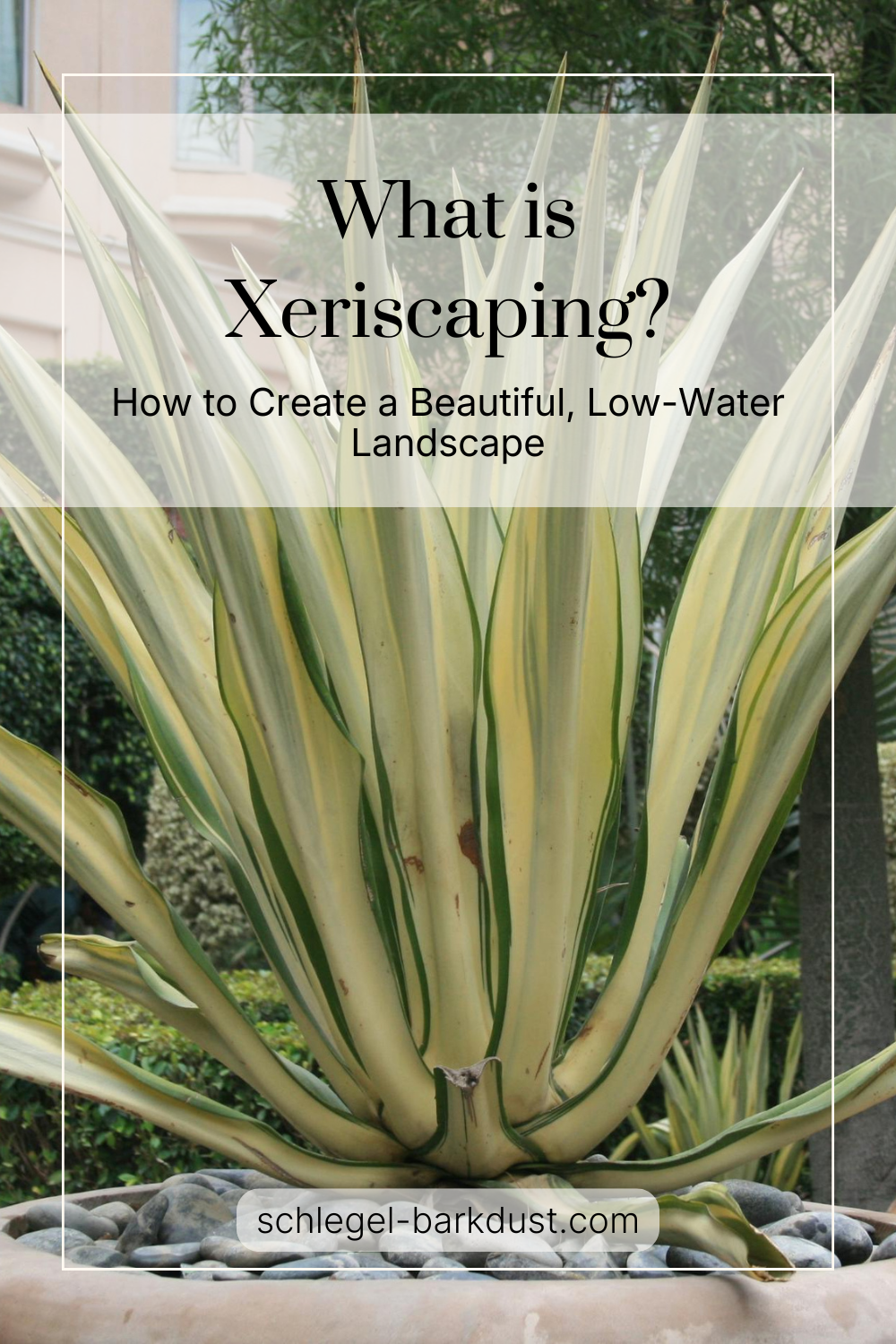
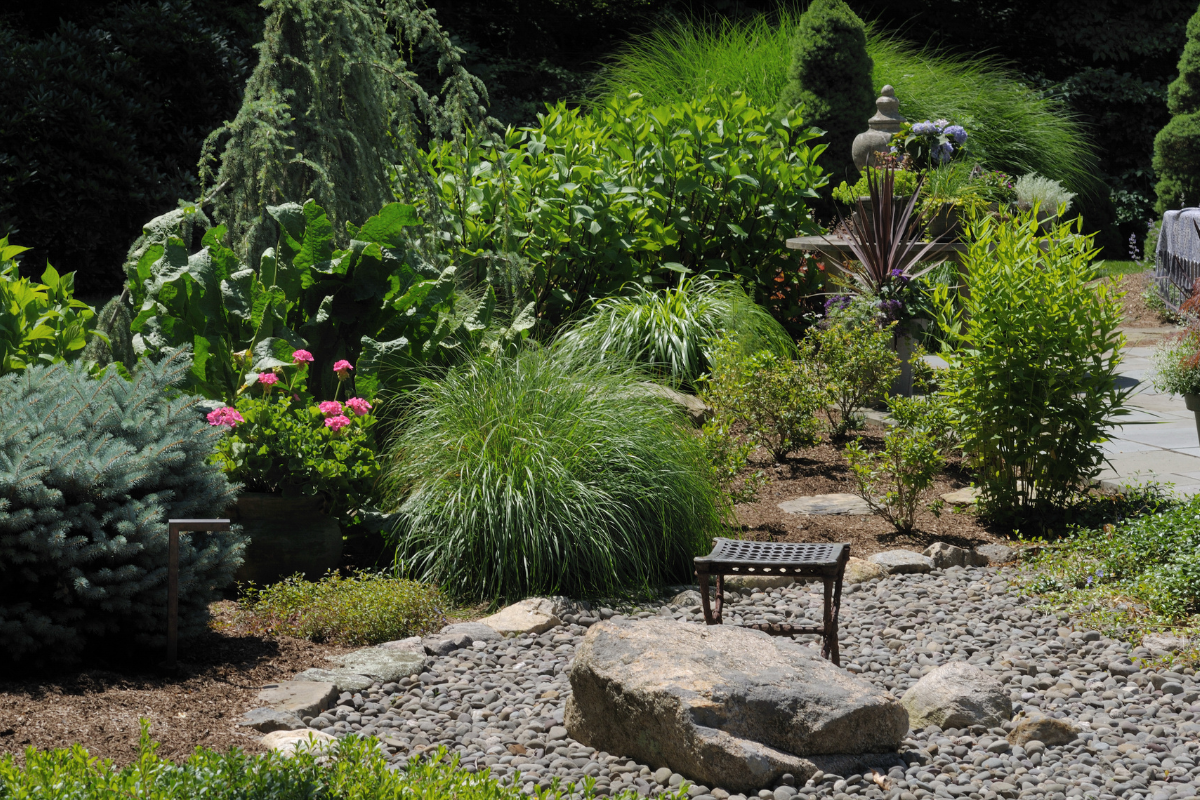
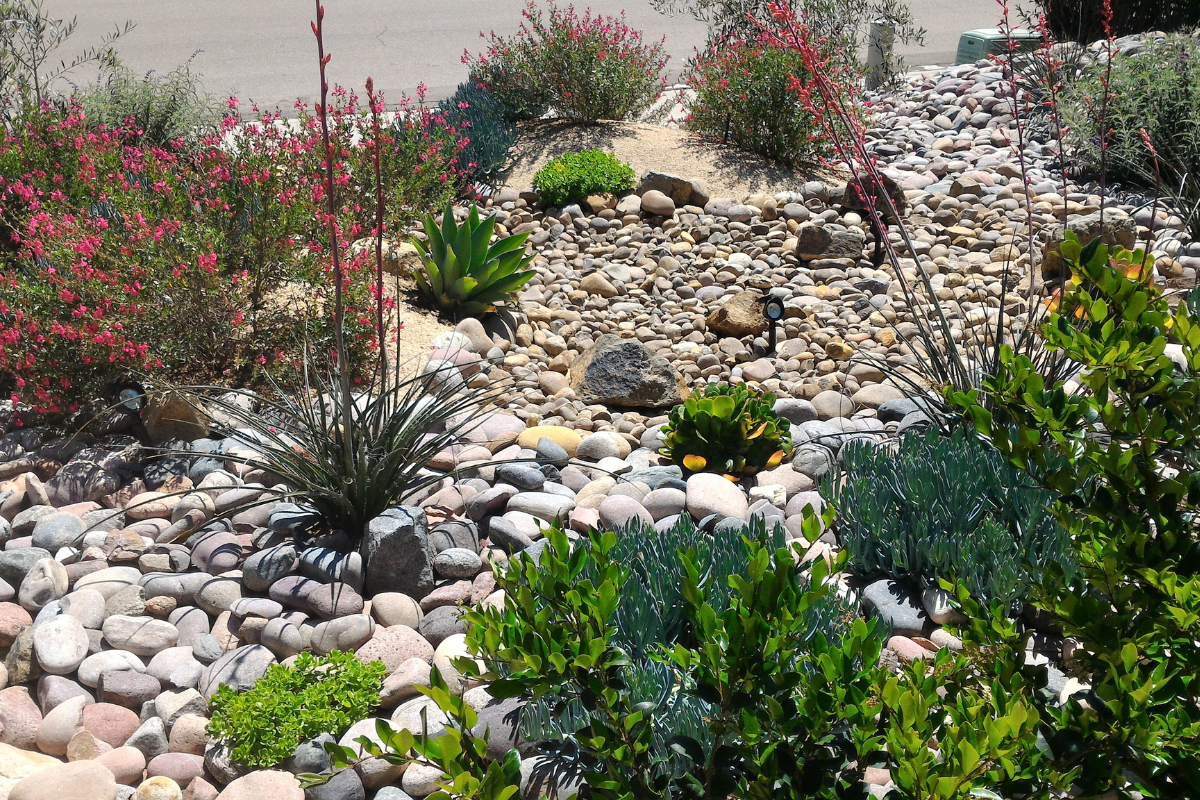
When people hear the word xeriscaping, they often picture a yard filled with gravel, cacti, and very little greenery. While that style works well in desert climates, it isn't what xeriscaping is really about. In fact, a successful xeriscape can include colorful flowers, lush shrubs, ornamental grasses, and even trees.
At its core, xeriscaping is a thoughtful approach to landscape design that reduces water use while creating an attractive, functional outdoor space. Rather than fighting the local climate, xeriscaping works with it by selecting appropriate plants, improving soil, using mulch effectively, and watering efficiently.
In the Pacific Northwest, where summers are becoming warmer and drier while winters remain wet, these principles make more sense than ever. A water-wise landscape can help lower water bills, reduce maintenance, support healthier plants, and create an outdoor space that's both beautiful and resilient.
The term xeriscape comes from the Greek word xeros, meaning "dry." Developed in the early 1980s, xeriscaping focuses on designing landscapes that require less supplemental irrigation without sacrificing beauty.
One of the biggest misconceptions is that xeriscaping means replacing your entire yard with decorative rock. In reality, it's a design philosophy built around making smart choices.
A xeriscaped landscape may include:
Instead of asking, "How much water can I give this landscape?" xeriscaping asks, "How can I create a landscape that naturally needs less water?"
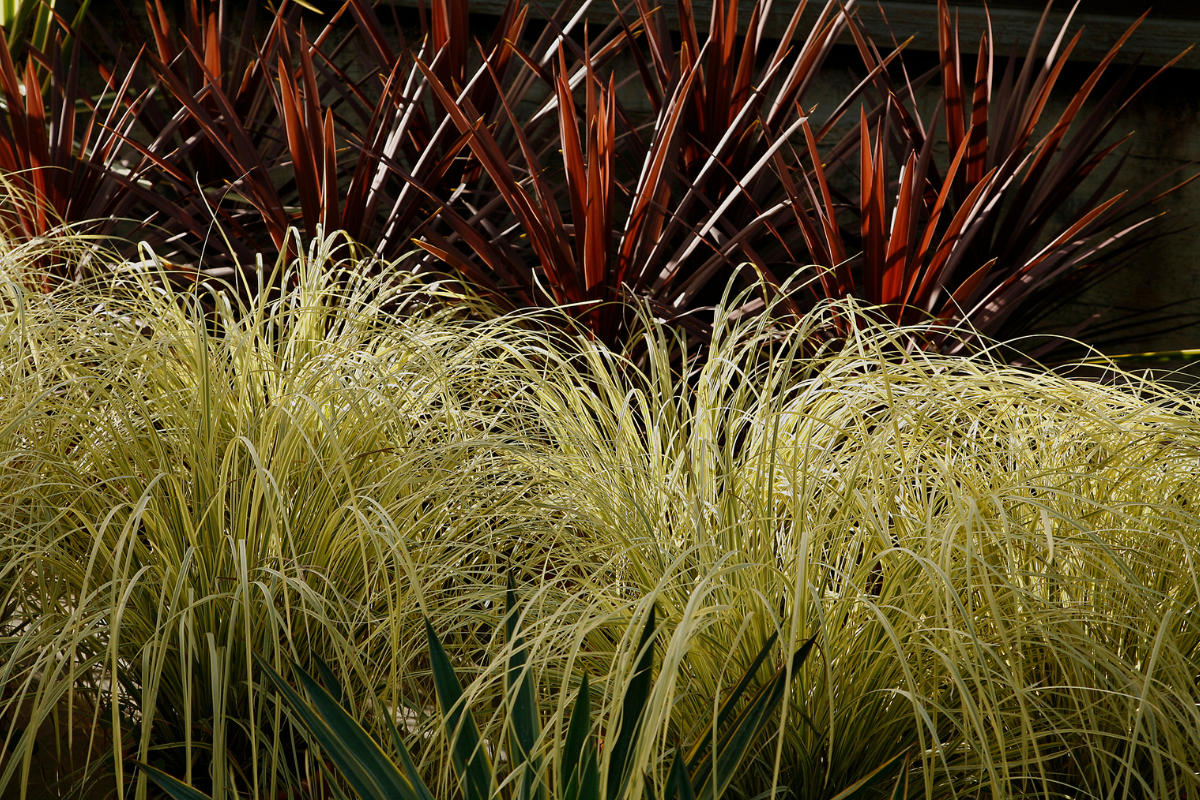
Western Oregon enjoys plenty of rainfall for much of the year, but summer tells a different story. Long stretches of warm, dry weather can put stress on lawns and gardens, especially when irrigation systems become the primary water source.
Xeriscaping helps landscapes better handle those seasonal conditions.
Some of the biggest benefits include:
Perhaps the biggest benefit is flexibility. Xeriscaping isn't an all-or-nothing commitment. Even incorporating a few water-wise principles can make a noticeable difference.
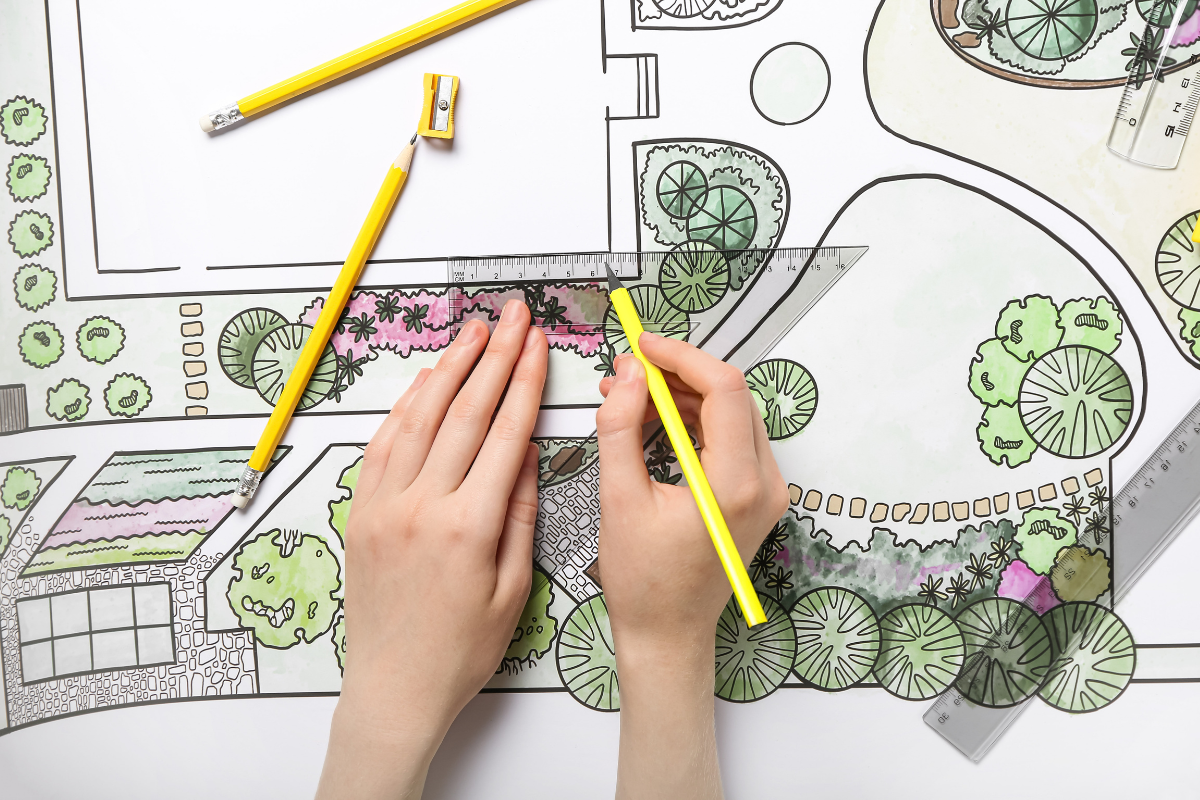
Every successful landscape begins with a plan.
Before purchasing plants or materials, spend time observing how your yard functions.
Ask questions like:
Understanding how your landscape behaves allows you to make better design decisions from the beginning.
Sketching a simple site plan can also help identify opportunities to group plants, improve drainage, and create more efficient irrigation zones.
Plant selection is one of the most important aspects of xeriscaping.
Rather than choosing plants based solely on appearance, consider their mature size, sunlight requirements, water needs, and adaptability to your local climate.
Grouping plants with similar water requirements together makes irrigation much more efficient. For example, thirsty annual flowers shouldn't share the same watering schedule as drought-tolerant ornamental grasses.
Native plants are often an excellent choice because they've adapted to local weather patterns and typically require less supplemental watering once established.
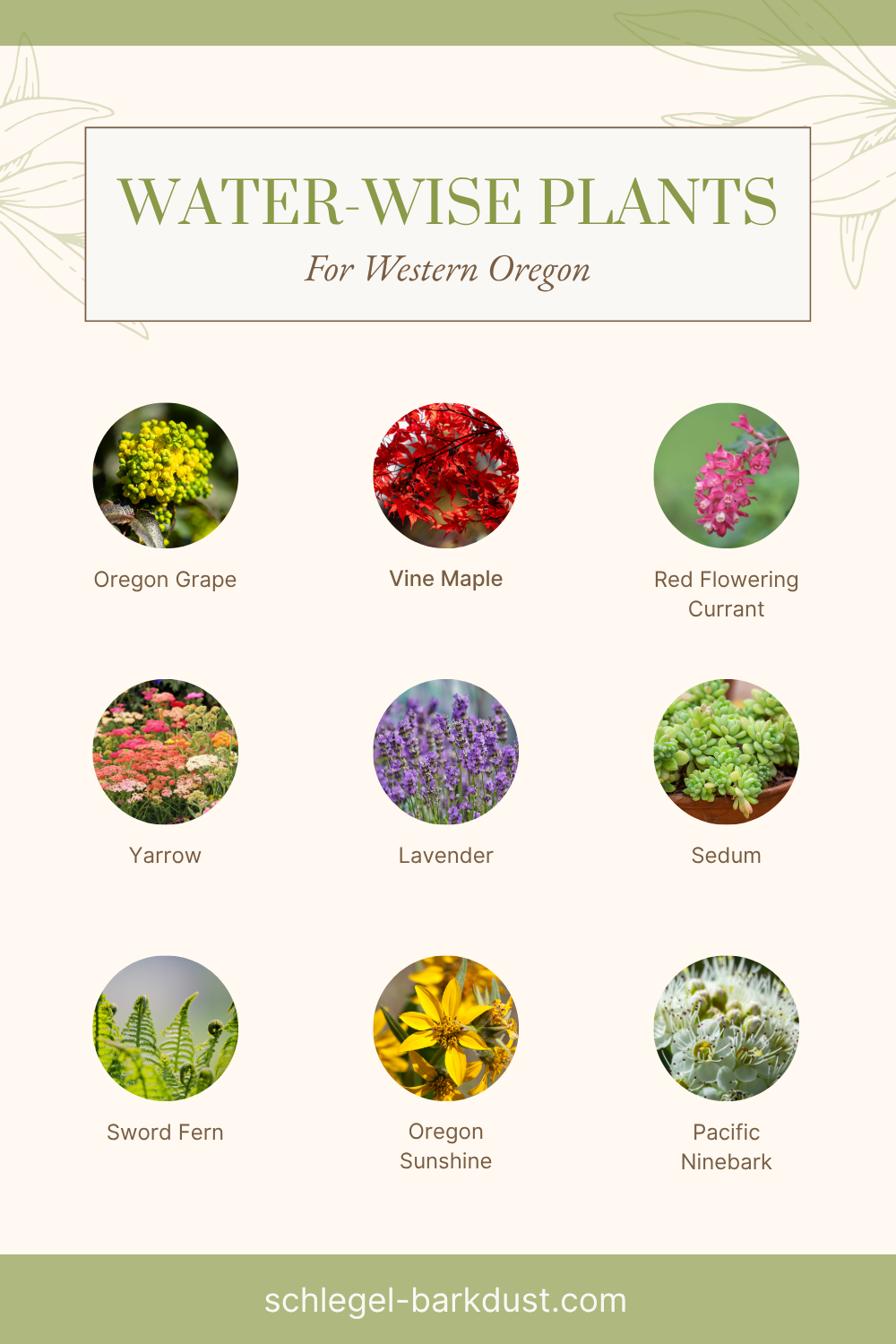
A diverse plant palette creates year-round interest while supporting pollinators and local wildlife.
Healthy soil acts like a sponge, holding moisture longer while still allowing excess water to drain away.
Compacted or poor-quality soil often causes water to run off the surface before plant roots have a chance to absorb it.
Adding compost improves soil structure, increases organic matter, and enhances moisture retention. Over time, healthier soil leads to stronger root systems and plants that require less frequent watering.
Before planting a new landscape bed, it's worth taking the time to improve the soil. It's one of the most valuable investments you can make in the long-term health of your landscape.
Mulch is one of the simplest and most effective ways to reduce water use in the landscape.
A properly applied layer of bark mulch helps:
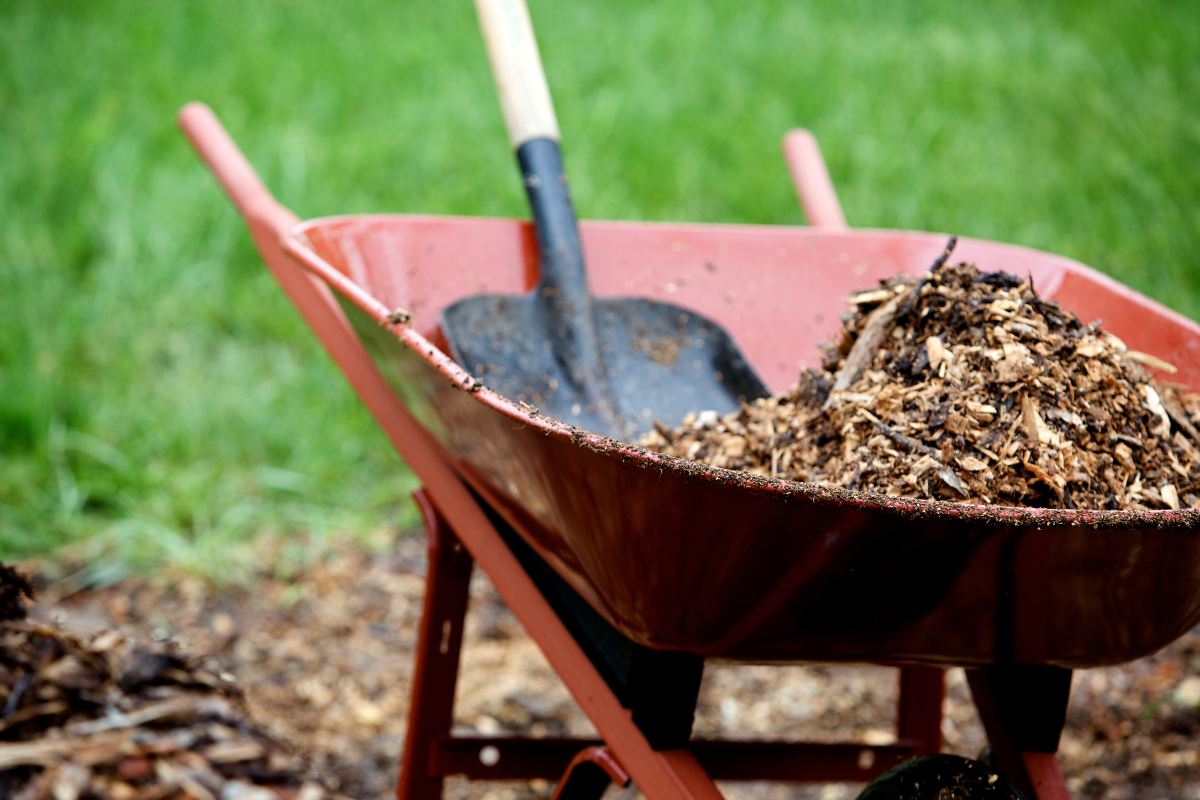
Most planting beds benefit from approximately 2 to 4 inches of mulch, although exact depths may vary depending on the material and the landscape.
Keeping mulch a few inches away from tree trunks and plant stems helps prevent excess moisture against the bark.
One of the biggest mistakes homeowners make is watering too frequently.
Frequent shallow watering encourages shallow root systems that become more vulnerable during periods of hot weather.
Instead, focus on deep, infrequent watering that encourages roots to grow deeper into the soil.
Some additional watering tips include:
The goal isn't simply using less water. It's using water more effectively.
Lawns are often the thirstiest part of a landscape.
That doesn't necessarily mean eliminating grass altogether, but many homeowners find they can reduce lawn size without reducing enjoyment.
Areas that receive little use may be better suited for:
Reducing unnecessary turf often lowers maintenance while creating a landscape with more personality and visual interest.
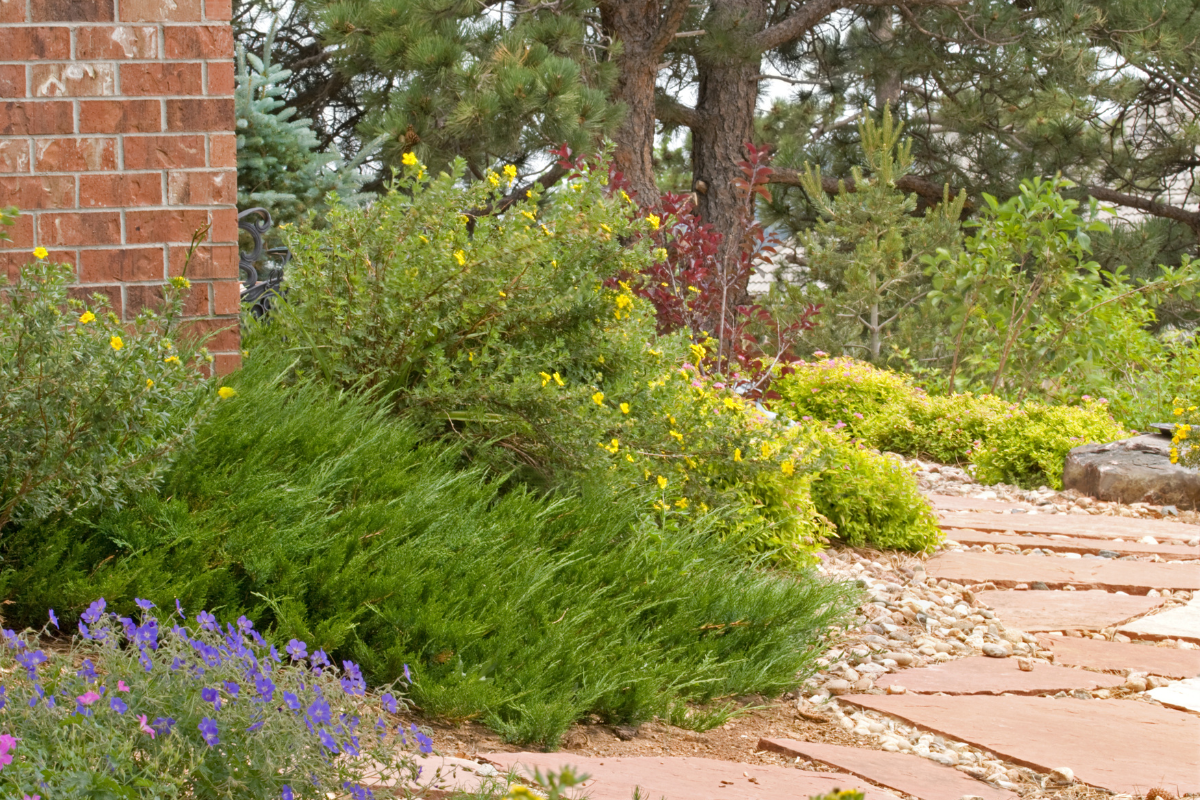
Although conserving water is the primary goal, xeriscaping offers many additional benefits.
Thoughtful landscape design can create outdoor spaces that are easier to maintain, more resilient during changing weather conditions, and more enjoyable throughout the year.
Design features such as pathways, seating areas, decorative boulders, and layered planting beds add texture and structure while reducing the need for large expanses of lawn.
The result is a landscape that feels intentional rather than simply practical.
Xeriscaping isn't about creating a landscape that looks sparse or lifeless. It's about designing smarter.
By improving soil, selecting appropriate plants, applying mulch, watering efficiently, and planning with your climate in mind, you can create an outdoor space that stays attractive while using fewer resources. Whether you're refreshing a single garden bed or planning a complete landscape renovation, adopting even a few xeriscaping principles can lead to healthier plants, lower maintenance, and a yard that's prepared for whatever the seasons bring.
Whether you're refreshing existing landscape beds, installing new planting areas, or planning a complete landscape makeover, Schlegel Barkdust & Landscape Supplies has the quality materials to help bring your vision to life.
From premium barkdust and mulch to compost, soil blends, decorative rock, gravel, and boulders, our team can help you choose the right materials for your project. Contact Schlegel Barkdust today or stop by to explore our selection and get expert advice for creating a beautiful, water-wise landscape.
Xeriscaping isn't about creating a landscape that looks sparse or lifeless. It's about designing smarter.
By improving soil, selecting appropriate plants, applying mulch, watering efficiently, and planning with your climate in mind, you can create an outdoor space that stays attractive while using fewer resources. Whether you're refreshing a single garden bed or planning a complete landscape renovation, adopting even a few xeriscaping principles can lead to healthier plants, lower maintenance, and a yard that's prepared for whatever the seasons bring.
Whether you're refreshing existing landscape beds, installing new planting areas, or planning a complete landscape makeover, Schlegel Barkdust & Landscape Supplies has the quality materials to help bring your vision to life.
From premium barkdust and mulch to compost, soil blends, decorative rock, gravel, and boulders, our team can help you choose the right materials for your project. Contact Schlegel Barkdust today or stop by to explore our selection and get expert advice for creating a beautiful, water-wise landscape.