You can water consistently, fertilize regularly, and choose the perfect plants, but if your soil's pH isn't in the right range, your landscape may never reach its full potential.
Soil pH affects how easily plants absorb nutrients. Even when your soil contains plenty of nutrients, an incorrect pH can prevent roots from accessing them. The result can be yellowing leaves, poor flowering, slow growth, and disappointing harvests.
Fortunately, testing your soil is simple, and making adjustments is often easier than many homeowners expect.
Soil pH measures how acidic or alkaline your soil is on a scale from 0 to 14.
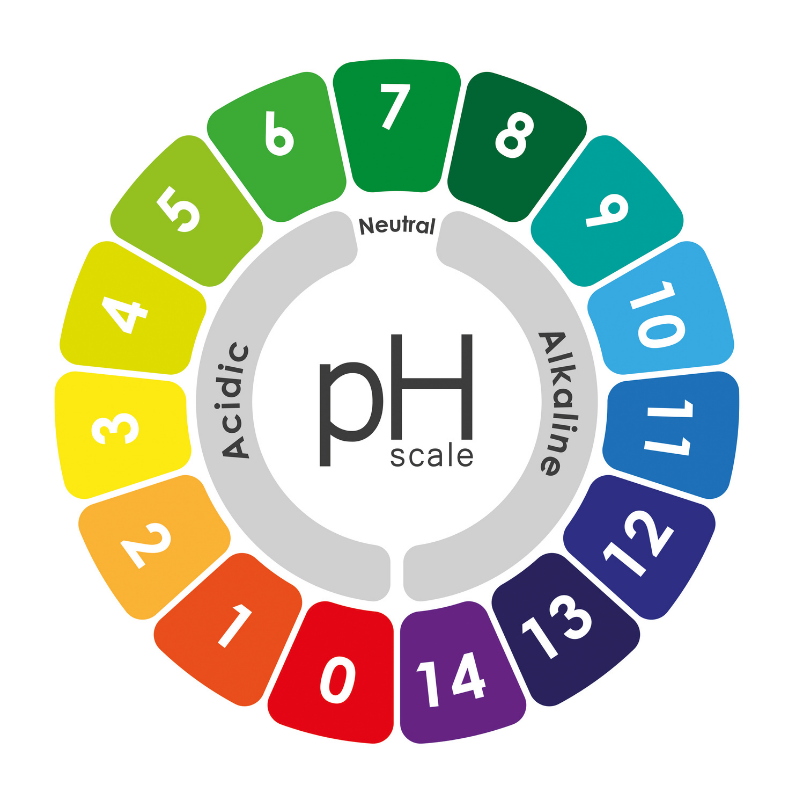
Most landscape plants grow best in slightly acidic soil, but every type of plant has its own preferred range.
The best times to test soil are:
Testing before planting gives you time to make adjustments before the growing season begins.
Fall is one of the best times to improve soil. If your pH needs correction, amendments applied in autumn have several months to work into the soil before spring planting.
Avoid testing immediately after applying fertilizer or soil amendments, as they can temporarily influence results.
For most home landscapes, testing every two to three years is sufficient. You may want to test annually if you:
If you're establishing a brand-new landscape, it's also wise to test before planting.
There are several ways to test soil pH.
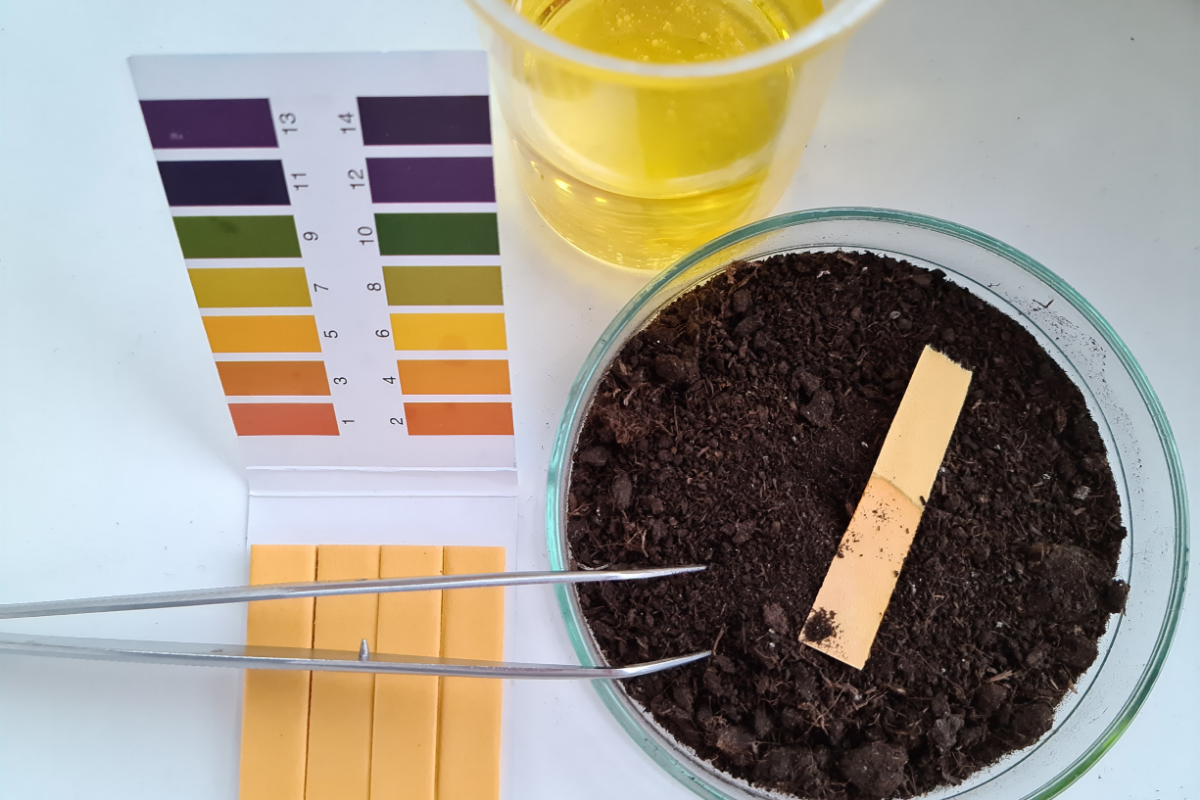
Garden centers carry inexpensive pH test kits that provide a quick estimate. They're easy to use and work well for routine monitoring.
Digital pH meters offer fast readings and can be reused for multiple garden beds. For the most accurate results, keep the probe clean and follow the manufacturer's instructions.
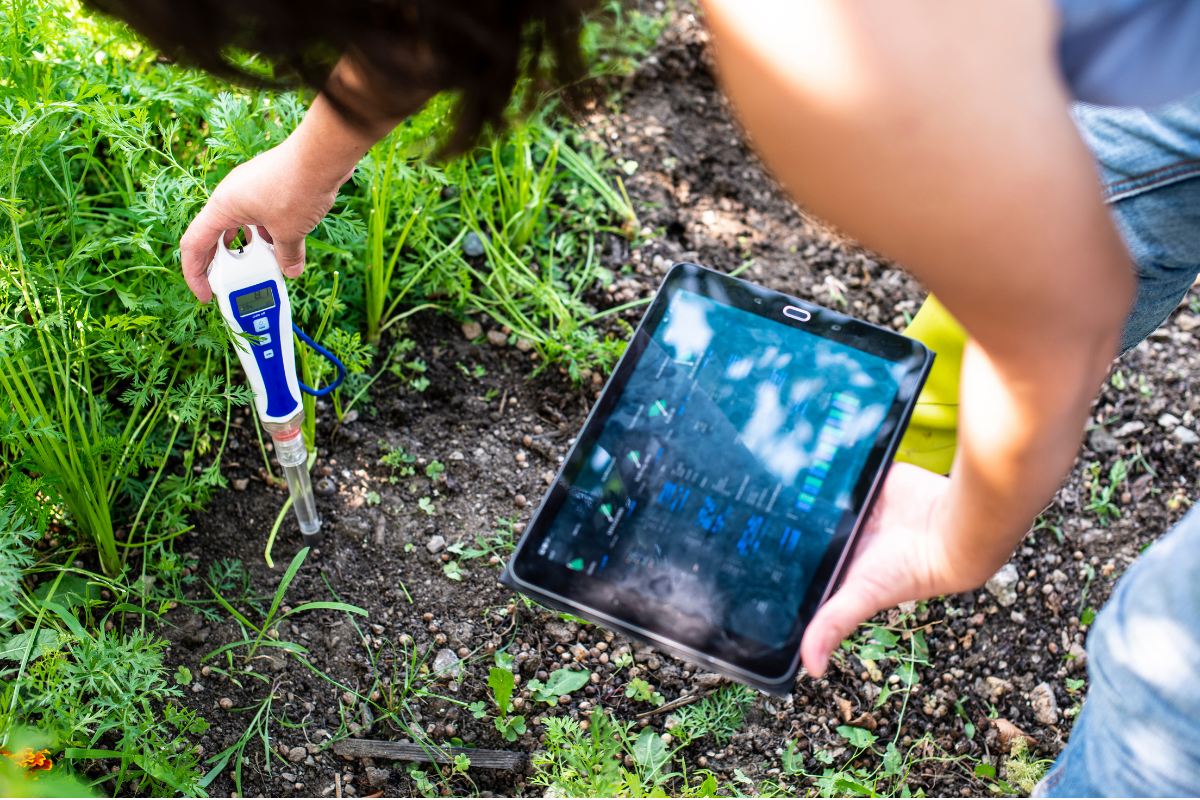
A professional soil test is the most accurate option. In addition to pH, laboratory tests often measure nutrient levels, organic matter, and recommendations for improving your soil. This is especially helpful if you're starting a new garden or troubleshooting ongoing plant problems.
To get reliable results:
Testing multiple areas separately can also be helpful if your lawn, vegetable garden, and ornamental beds receive different care.
Different plants thrive in different soil conditions.
Plant Type |
Ideal pH |
|---|---|
| Most Lawns | 6.0 to 7.0 |
| Vegetables | 6.0 to 7.0 |
| Annual Flowers | 6.0 to 7.0 |
| Perennials | 6.0 to 7.0 |
| Trees & Shrubs | 5.5 to 7.0 |
| Roses | 6.0 to 6.5 |
| Blueberries | 4.5 to 5.5 |
| Rhododendrons & Azaleas | 4.5 to 6.0 |
| Camellias & Hydrangeas* | 5.5 to 6.5 |
* For bigleaf hydrangeas, soil pH can influence flower color. More acidic soil generally produces blue blooms, while more alkaline soil encourages pink flowers, provided the variety is capable of changing color.
Although a soil test is the only way to know for sure, common symptoms include:
Because these symptoms can also result from nutrient deficiencies, pests, or disease, testing is the best first step before making changes.
If your soil is too acidic, the most common amendment is agricultural lime.
Lime gradually raises soil pH while adding calcium to the soil.
There are two common types:
The amount needed depends on your soil type and current pH. Sandy soils generally require less lime than clay soils.
Because lime works slowly, it's often best applied in the fall so it has time to react before spring.
If your soil is too alkaline, sulfur is the most common amendment.
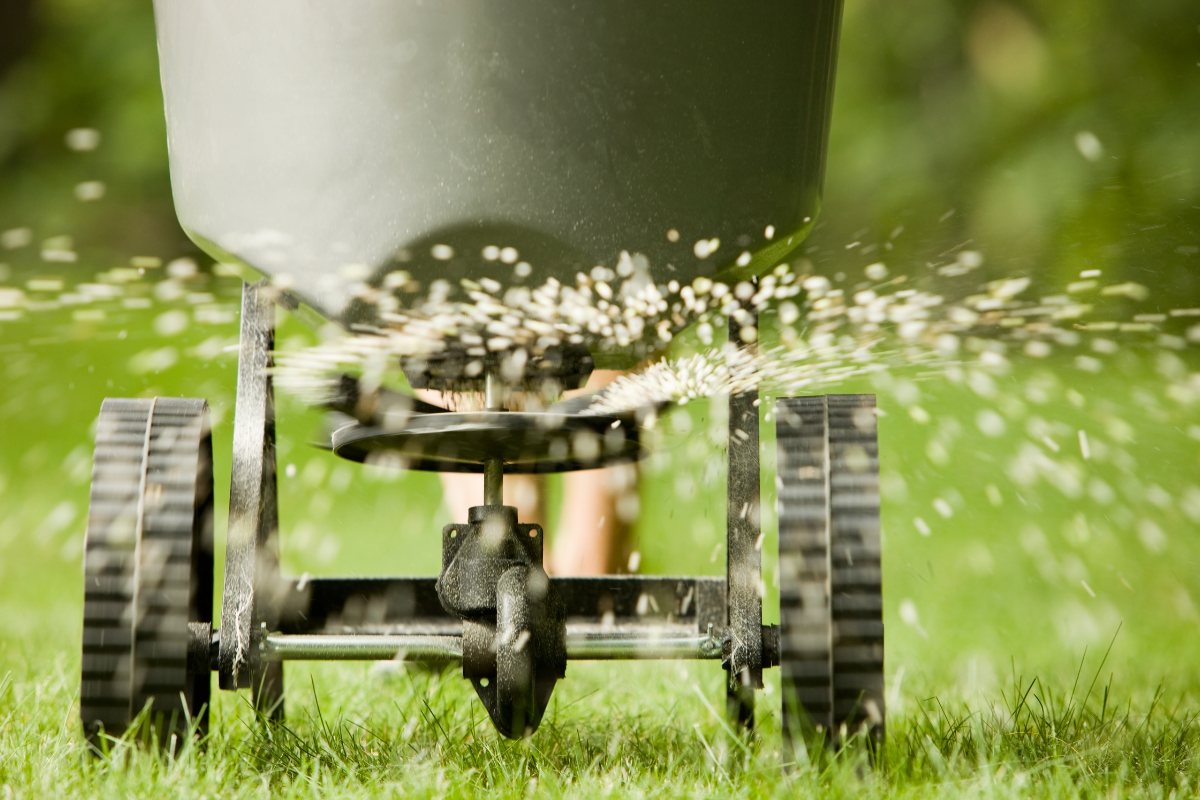
Elemental sulfur gradually lowers soil pH as soil microbes break it down. Like lime, it works slowly and may take several months to produce noticeable changes.
Iron sulfate lowers pH more quickly than elemental sulfur but typically requires larger application rates. It can be useful for making smaller adjustments when faster results are desired.
For acid-loving plants like blueberries and rhododendrons, soil sulfur is generally the preferred long-term solution.
It can be tempting to add extra lime or sulfur in hopes of getting faster results, but large changes in soil pH can stress plants and create new nutrient imbalances.
Instead:
Slow, steady changes are healthier for both your soil and your plants.
Soil pH is one of the simplest factors to test, yet it has one of the biggest impacts on plant health. By checking your soil every few years and making gradual corrections when needed, you'll help your lawn, garden, trees, and shrubs make better use of the nutrients already present in the soil.
Healthy soil leads to stronger roots, healthier plants, and landscapes that are better prepared to thrive season after season.