Earth Day often brings attention to large-scale environmental issues, but meaningful change can start much closer to home. Everyday decisions in your yard and garden influence water usage, soil health, waste reduction, and long-term plant success. Many of the most effective improvements are simple, affordable, and easy to maintain.
Here are a few practical ways homeowners can make environmentally responsible choices this spring while also creating a healthier landscape.
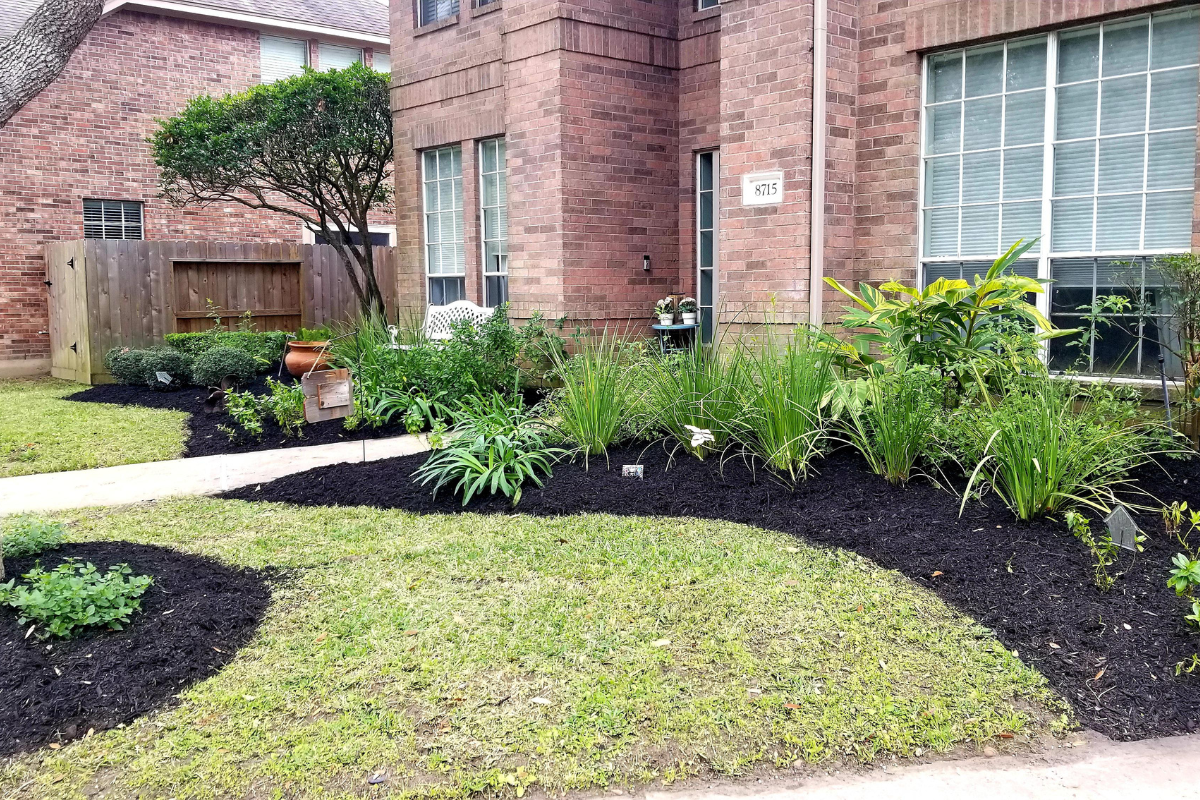
Mulch does more than improve the appearance of garden beds. A fresh layer of barkdust helps regulate soil temperature and significantly reduces evaporation. This means plants stay hydrated longer and require less frequent watering, especially as temperatures begin to rise.
Mulch also suppresses weeds, which compete with plants for water and nutrients. Fewer weeds means less manual removal and less need for chemical weed control products.
For best results:
This one step supports plant health while conserving water throughout the growing season.
Healthy soil is one of the most important foundations of sustainable landscaping. Compost improves soil structure, increases moisture retention, and adds nutrients naturally. Over time, healthier soil supports stronger root systems and reduces the need for fertilizers.
Topdressing lawns with compost in spring is a simple way to improve turf health. Adding compost to garden beds before planting helps vegetables, flowers, and shrubs establish more easily.
Benefits of using compost:
Small additions each year can make a noticeable difference in plant performance.
Bagged landscape materials create a significant amount of plastic waste. Bulk delivery eliminates the need for dozens of individual bags and reduces packaging that would otherwise end up in landfills.
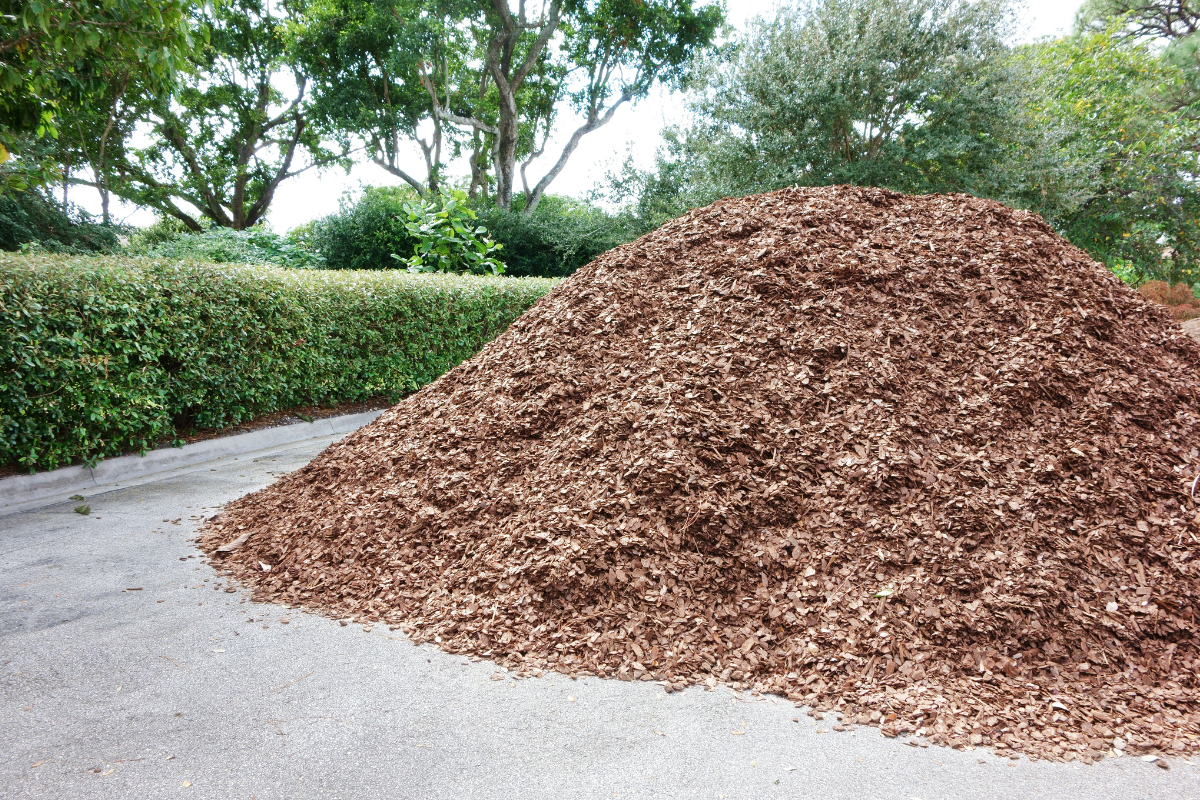
Bulk materials also allow homeowners to order the exact quantity needed, which helps prevent excess product from being discarded later. Delivery reduces the number of trips required to transport materials, saving fuel and time.
Choosing bulk materials is one of the easiest ways to reduce waste during landscaping projects. All of Schlegel's products, including barkdust, soils, compost, and rock, are sold in bulk, pakage free.
Gravel pathways and driveways are a more flexible and environmentally friendly alternative to solid paving. They allow water to drain naturally into the soil rather than running off into storm drains.
Maintaining gravel is also simple. Adding a fresh layer to low spots restores function without the need for full replacement. This reduces material waste and extends the life of the existing surface.
Regular maintenance tips:
These small adjustments keep surfaces functional while supporting better drainage.
Choosing plants suited to local conditions reduces water use and maintenance. Native and drought-tolerant plants typically require less irrigation once established and are better adapted to seasonal weather patterns.
Grouping plants with similar water needs also helps avoid overwatering. Mulching around new plantings improves establishment and reduces stress during dry periods.
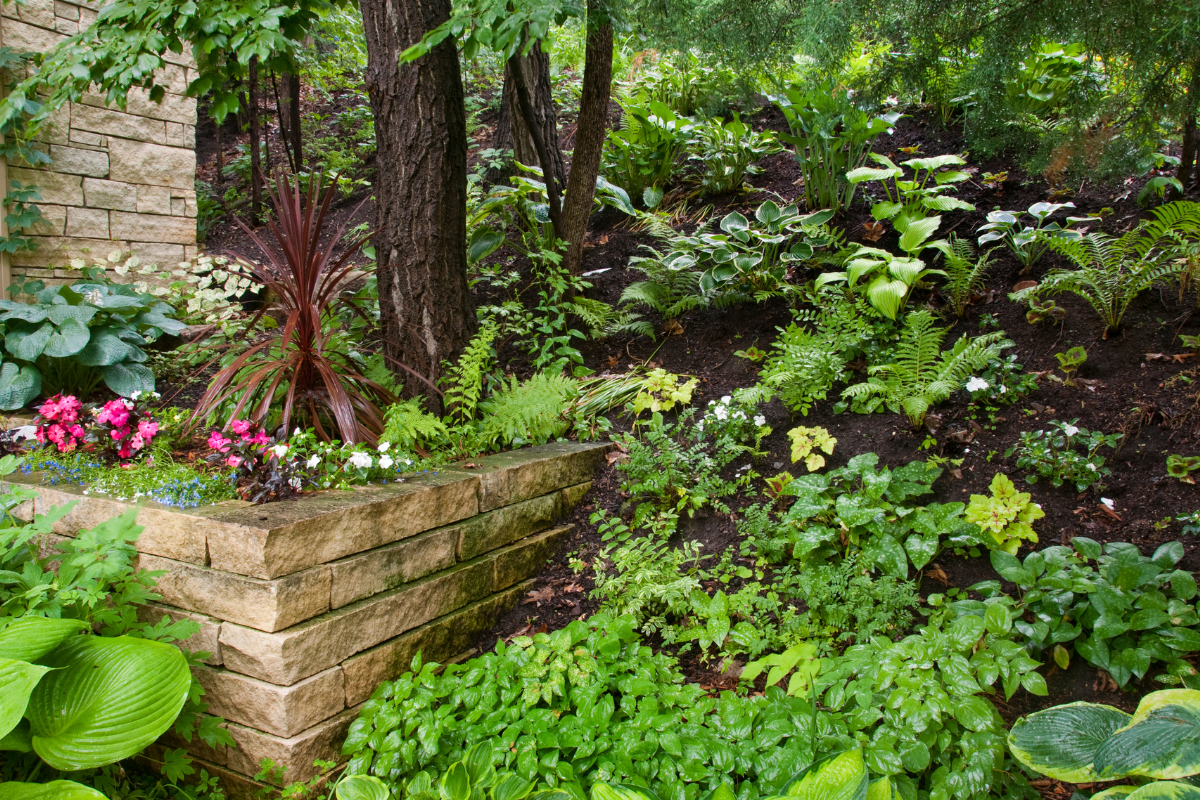
When planning new planting areas:
Thoughtful planning creates a landscape that thrives with fewer inputs.
Environmentally friendly landscaping does not require major changes. Applying mulch, improving soil, choosing bulk materials, and maintaining gravel surfaces are all simple steps that support healthier plants and reduce resource use.
These small choices improve the long-term sustainability of your yard while also making maintenance easier. Over time, the benefits become more noticeable through stronger growth, reduced watering, and fewer weeds.
Earth Day is a good reminder that meaningful impact often begins with practical decisions at home.