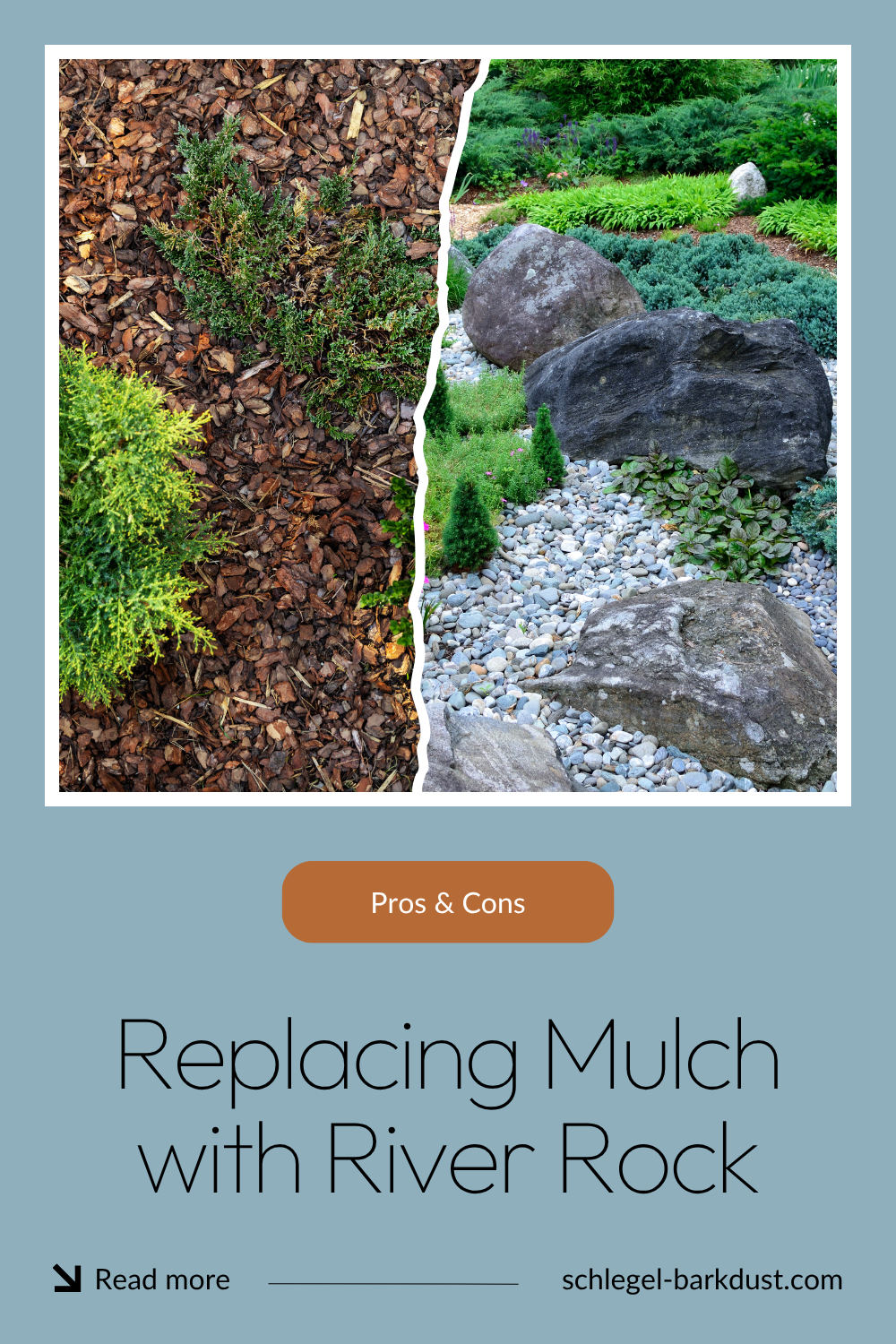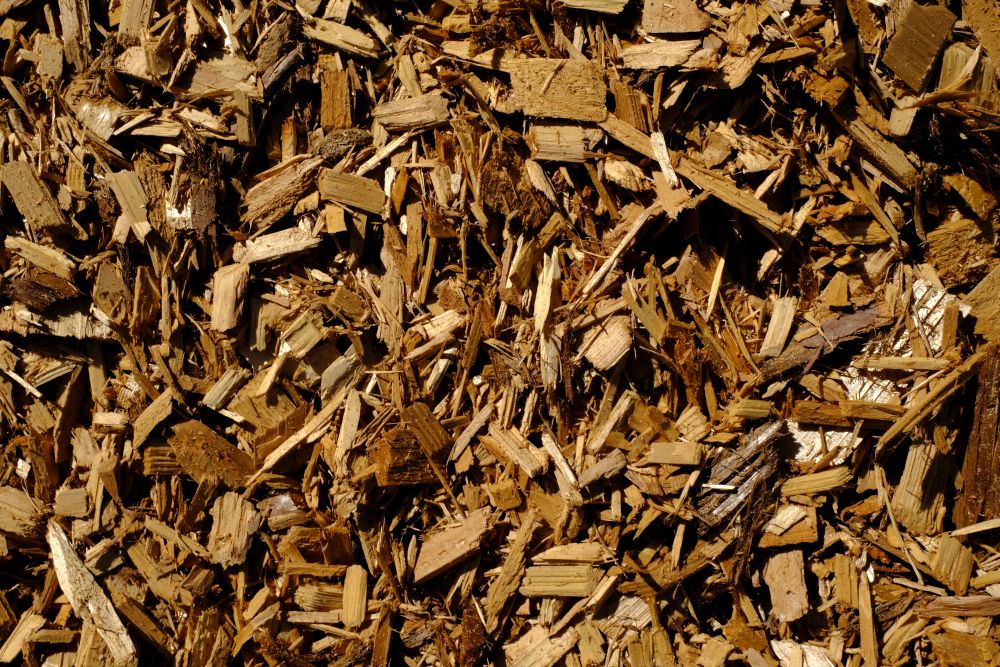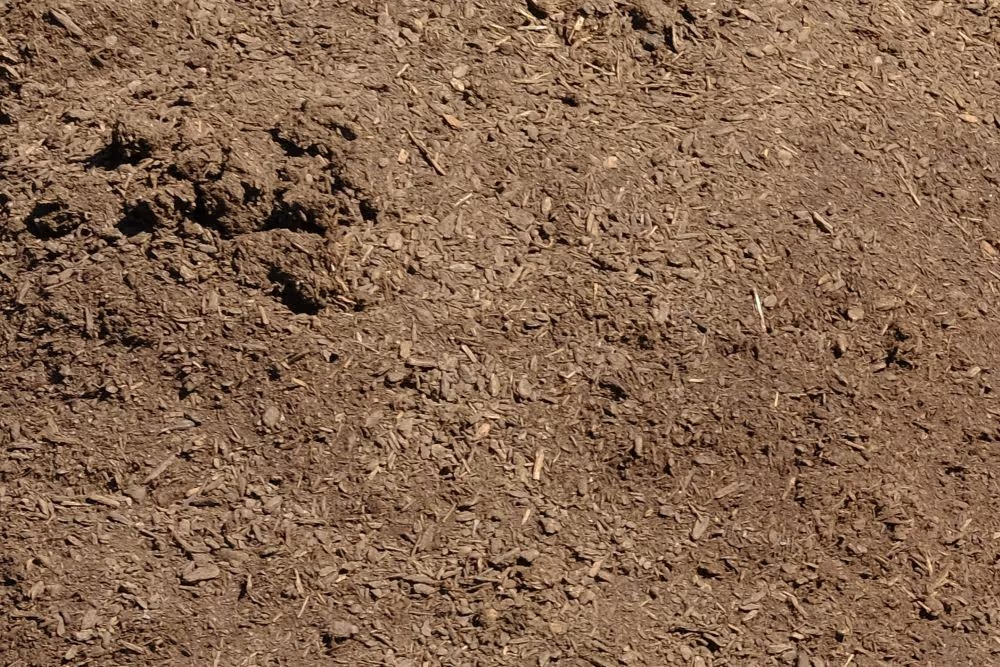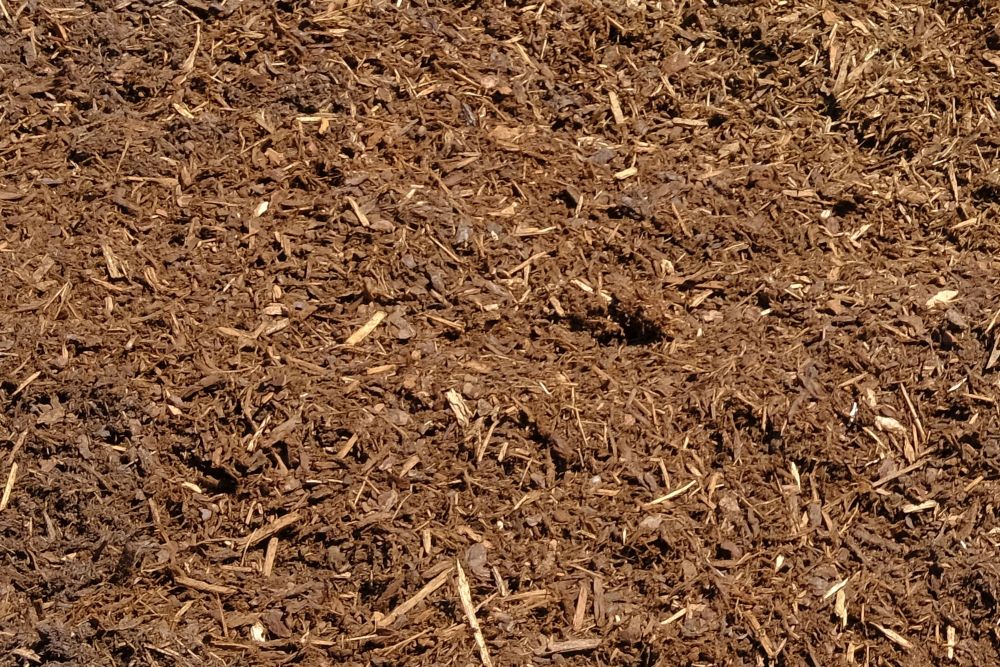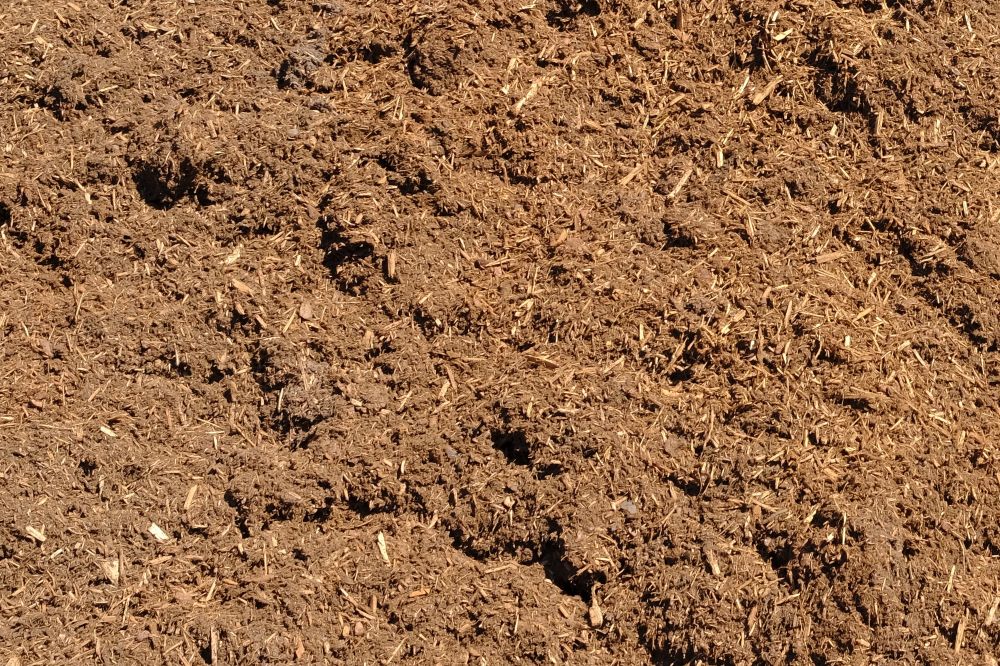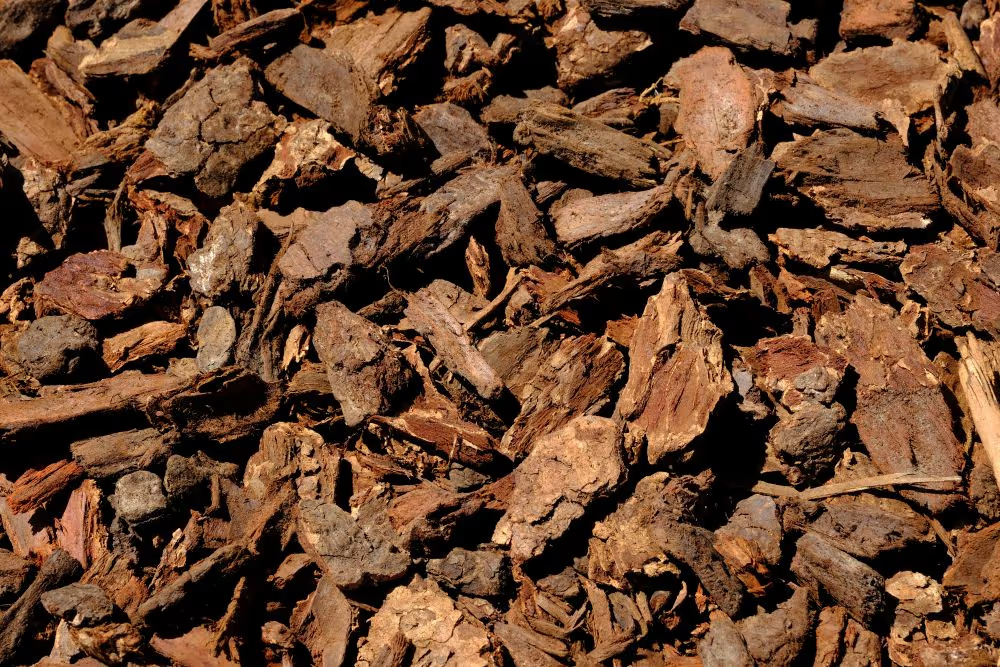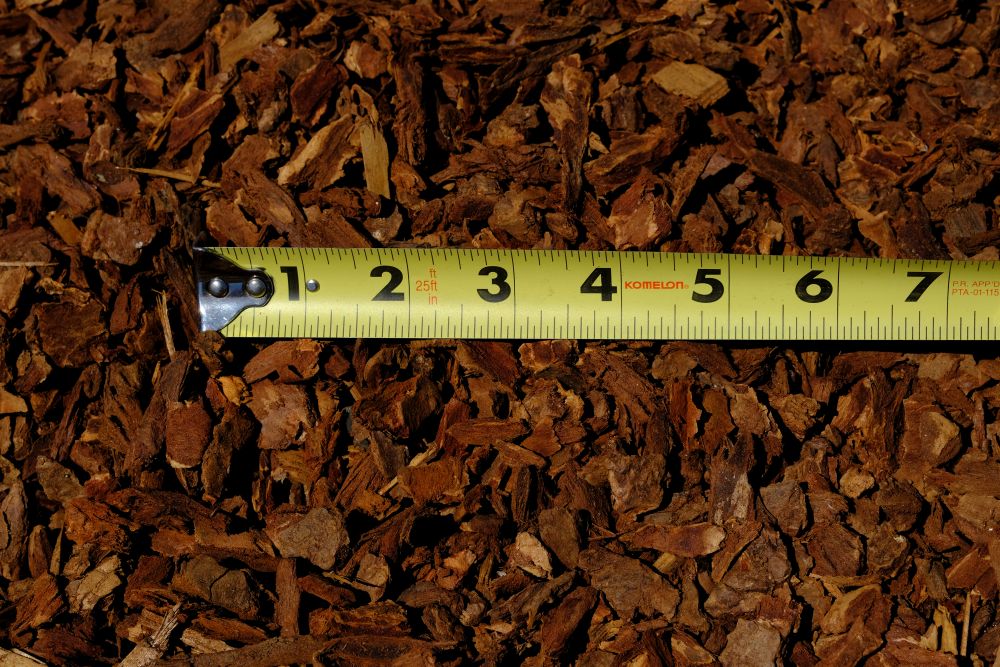

Mulch is a staple in most gardens. It helps retain moisture, suppress weeds, and improve soil quality over time. But if you’re looking for a longer-lasting, more decorative option, river rock might seem like an appealing alternative. Before you make the switch, here’s a closer look at the benefits and drawbacks of replacing traditional mulch with river rock.
Unlike mulch, which breaks down over time and needs regular replenishing, river rock is incredibly durable. Once it’s in place, it can last for years with minimal maintenance.
River rock doesn’t need to be replaced annually, doesn’t blow away in wind, and won’t fade or decompose. A quick rinse or occasional weeding is usually all that’s required to keep it looking clean and fresh.
River rock allows water to flow through easily, making it ideal for areas where you want to improve drainage or reduce runoff. It’s especially useful around downspouts, in swales, or in dry creek beds.
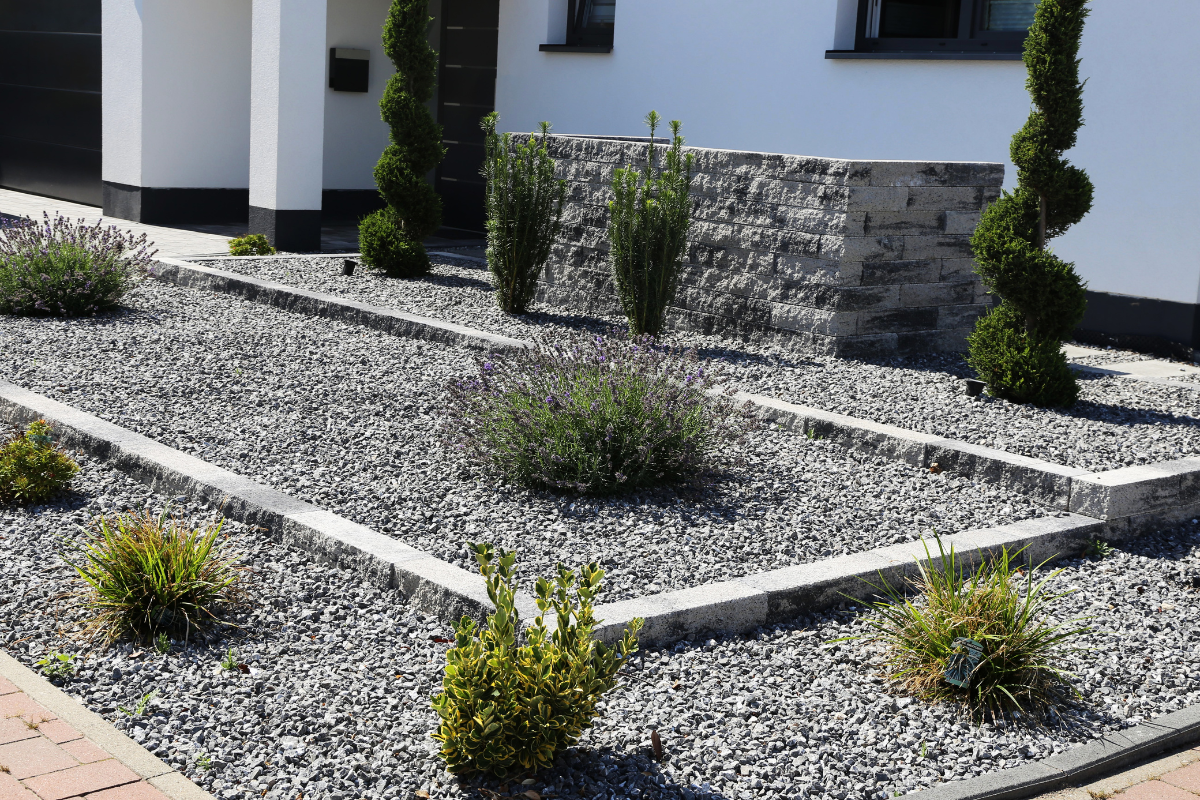
Available in a range of sizes and colors, river rock adds a polished, natural look to garden beds and pathways. It pairs well with both traditional and modern landscape designs.
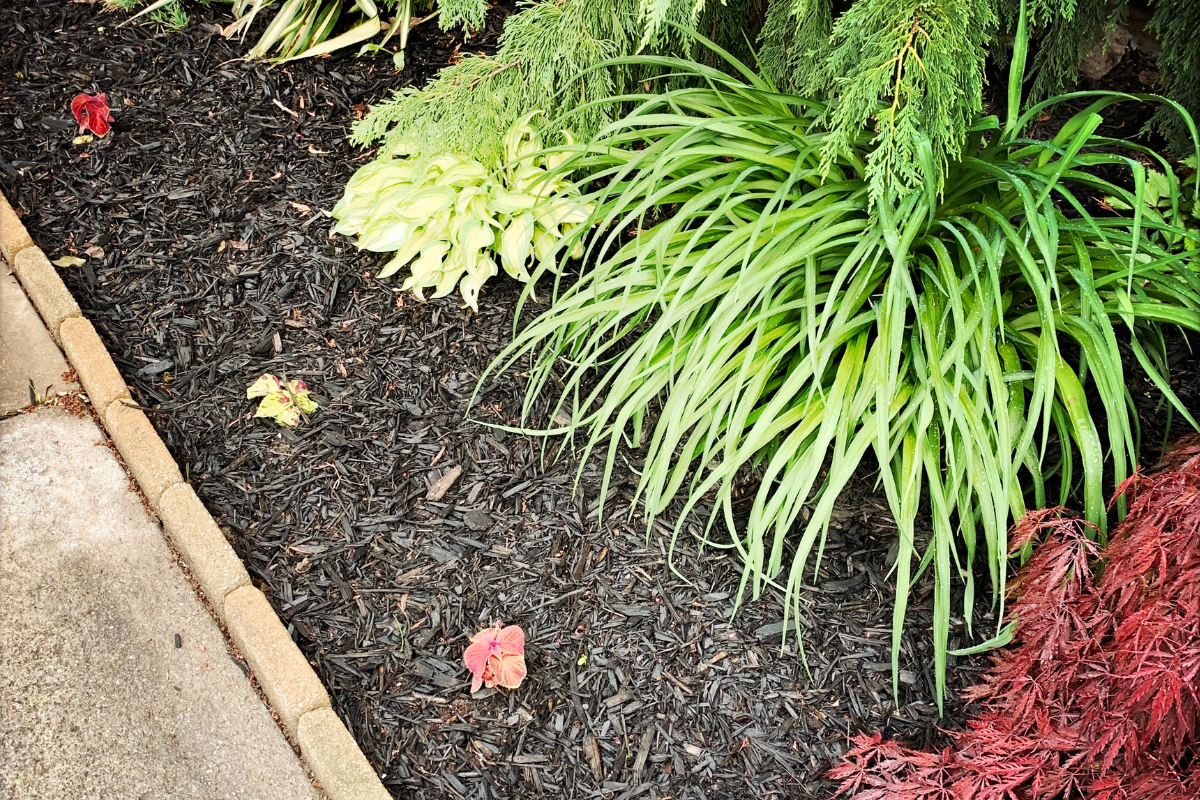
Mulch breaks down over time and adds organic matter to the soil, which helps nourish plants and improve soil structure. River rock doesn’t provide any of these benefits, so you may need to add compost or fertilizer separately.
Rocks absorb and radiate heat, which can raise soil temperatures—especially in sunny locations. This may stress plants during hot summer months or in areas with intense sunlight.
River rock typically costs more than mulch, both in materials and labor. The initial investment is higher, especially if you’re covering a large area.
While river rock can suppress weeds, it’s not foolproof. A high-quality weed barrier underneath the rock is essential to prevent unwanted growth from popping through the gaps.
River rock offers a durable, visually appealing alternative to mulch—but it’s not a one-size-fits-all solution. If you're aiming for a low-maintenance design and don’t need the organic benefits of mulch, river rock can be a great long-term investment. Just be sure to consider your plants’ needs and the climate of your region before making the switch.
We're happy to help! Give us a call to discuss your options with our knowledgeable staff. We can go over all of our available mulches and river rocks and help decide which would work best in your yard.