Dogs turn an ordinary backyard into an adventure. From racing along the fence line to stretching out in a shady spot or investigating every new scent, they experience outdoor spaces much differently than people do. That means the most successful landscapes aren't just designed to look good. They're designed to be lived in.
Many homeowners discover that a few thoughtful design choices can help prevent worn patches of grass, protect plants, and create a safer environment for pets. The good news is that a dog-friendly yard doesn't have to mean sacrificing curb appeal or settling for a purely functional space.
With a little planning, it's possible to create a landscape that's attractive, practical, and ready for everything from zoomies to afternoon naps.
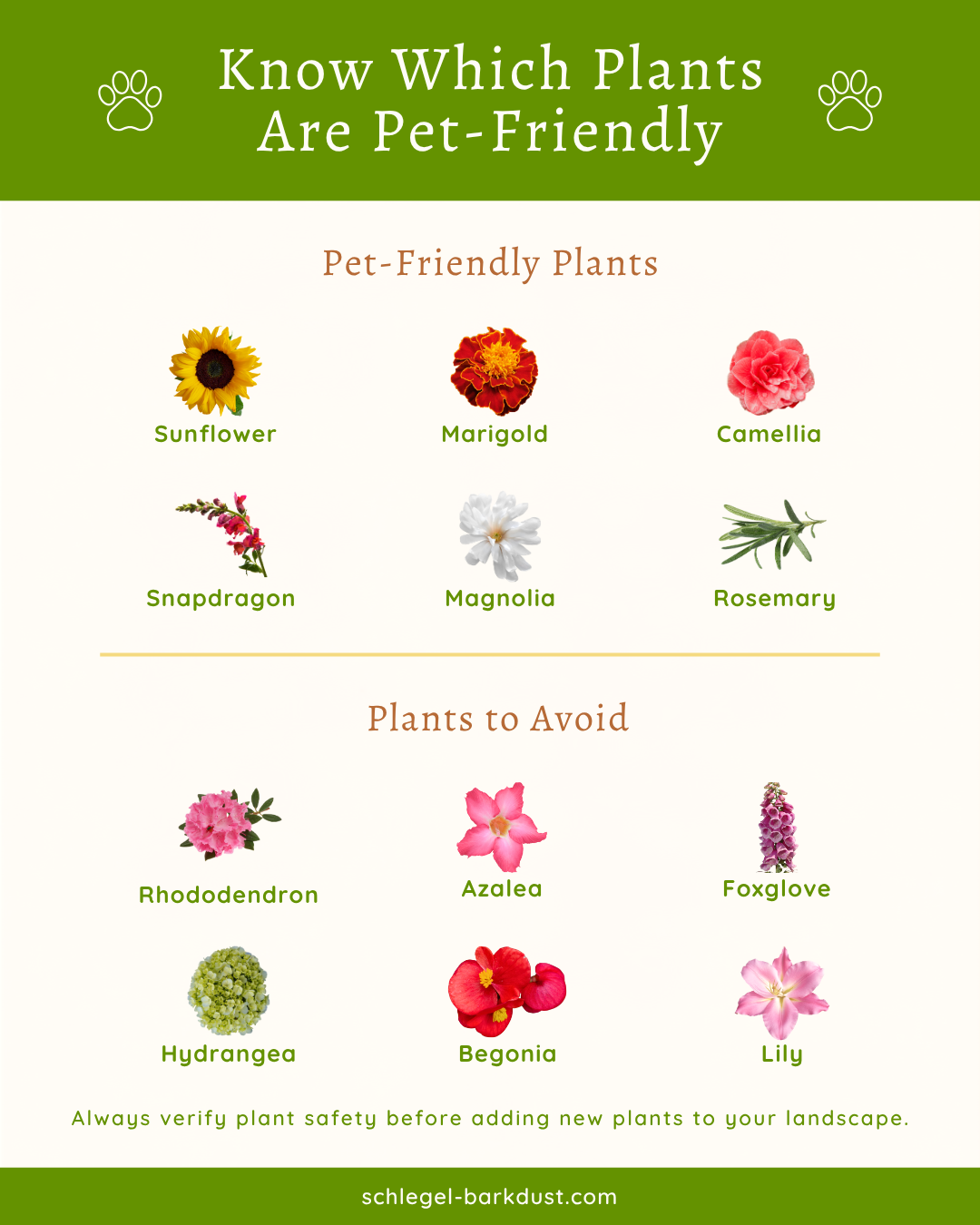
One of the most important considerations in pet-friendly landscaping is plant selection. While many popular landscape plants are perfectly safe, others can be toxic if chewed or ingested.
Before adding new plants to your yard, take time to research whether they're considered pet-safe. When in doubt, consult your veterinarian or resources from organizations like the ASPCA. It's also a good idea to place delicate or valuable plants in areas that are less accessible to curious pets.
A landscape filled with pet-safe plants provides peace of mind while still offering plenty of beauty and seasonal color.
Most dogs develop favorite routes through the yard. Over time, these paths can become worn, muddy, or compacted.
Instead of constantly fighting those habits, consider designing around them. Decorative rock pathways, gravel walkways, or clearly defined landscape routes can help accommodate regular traffic while reducing wear on lawns and planting beds.
Pay attention to where your dog naturally runs, patrols, or travels. Those areas often provide clues about where pathways should go.
Hot summer days can be tough on both people and pets. Shade is one of the most valuable features a backyard can offer.
Trees, pergolas, covered patios, and strategically placed shrubs can all help create cooler areas where dogs can relax. Shade not only improves comfort but can also help reduce surface temperatures throughout the landscape.
When evaluating your yard, consider where shade falls during the hottest parts of the day rather than just during the morning or evening hours.
Mulch can be a valuable part of a pet-friendly landscape, helping conserve moisture, suppress weeds, and improve the appearance of planting beds.
However, it's important to choose materials carefully and monitor how pets interact with them. Some dogs may be tempted to dig or chew on landscape materials, particularly when they're first installed.
Maintaining clear boundaries between play areas and planting beds can help reduce unwanted digging while preserving the benefits mulch provides throughout the landscape.
Just like people, dogs appreciate having spaces designed specifically for their favorite activities.
A dedicated play zone can help concentrate activity in one part of the yard while protecting other landscape features. Depending on your pet's habits, this area might include open space for running, a designated digging area, or room for games of fetch.
Creating a purpose-built activity area often leads to fewer conflicts between pets and plants while making the yard more enjoyable for everyone.
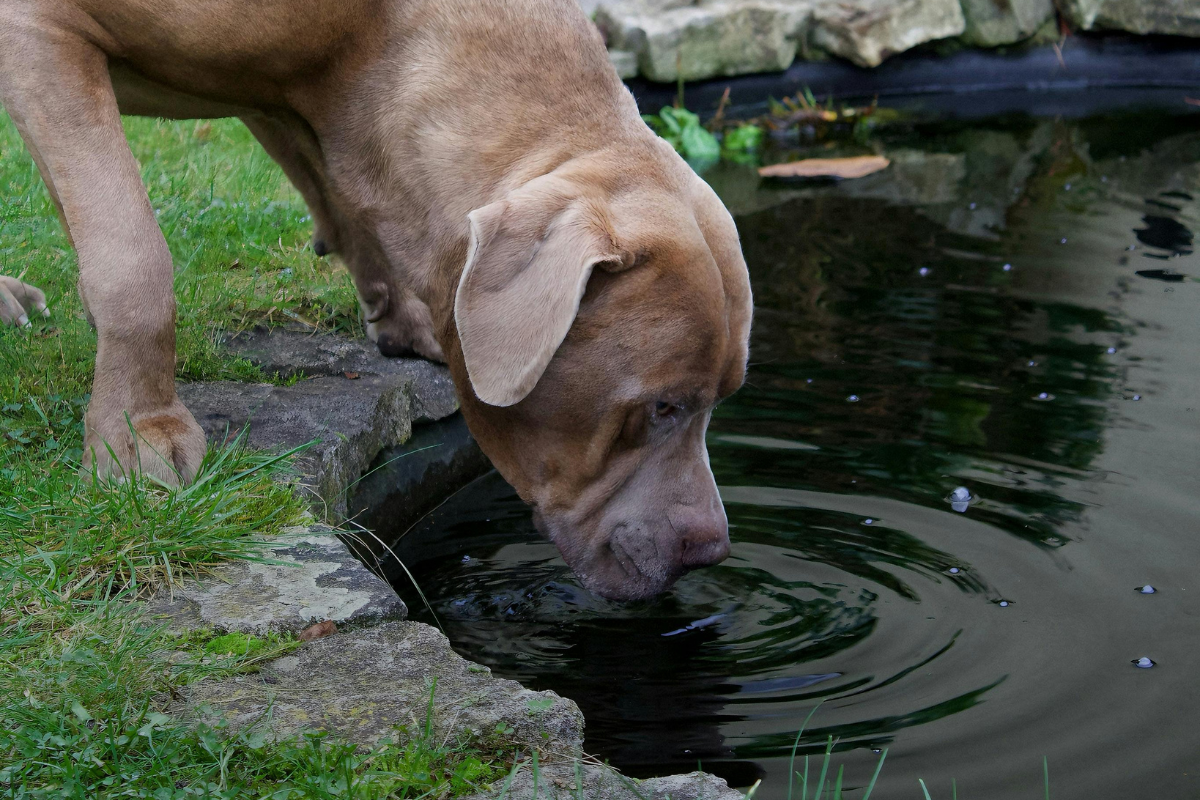
Access to fresh water is especially important during the warmer months.
Consider placing water bowls in shaded locations and ensuring they're easy to access from common activity areas. Some homeowners also incorporate pet-friendly water features or fountains designed with safety in mind.
Keeping hydration convenient encourages pets to spend more time outdoors comfortably and safely.
Newly planted beds and delicate garden areas can be particularly tempting for curious dogs.
Simple solutions such as decorative edging, low fencing, larger landscape features, or strategic plant placement can help create gentle boundaries. These visual cues often discourage pets from entering areas where they could accidentally damage plants or disturb fresh soil.
Protecting vulnerable areas early can help landscapes establish more successfully over time.
The best landscapes are designed around the way people actually use them. For dog owners, that means considering the needs of both pets and people from the very beginning. By choosing pet-safe plants, creating durable pathways, providing shade, and designing dedicated activity areas, it's possible to build an outdoor space that remains beautiful while standing up to everyday use.
Whether you're refreshing existing landscape beds, installing new pathways, creating gathering spaces, or planning a complete backyard transformation, Schlegel Barkdust & Landscape Supplies has the materials and expertise to help make your project a success. Visit us to explore our selection of barkdust, decorative rock, soil products, and landscape materials, or contact our team today for help choosing the right products for your next outdoor project.