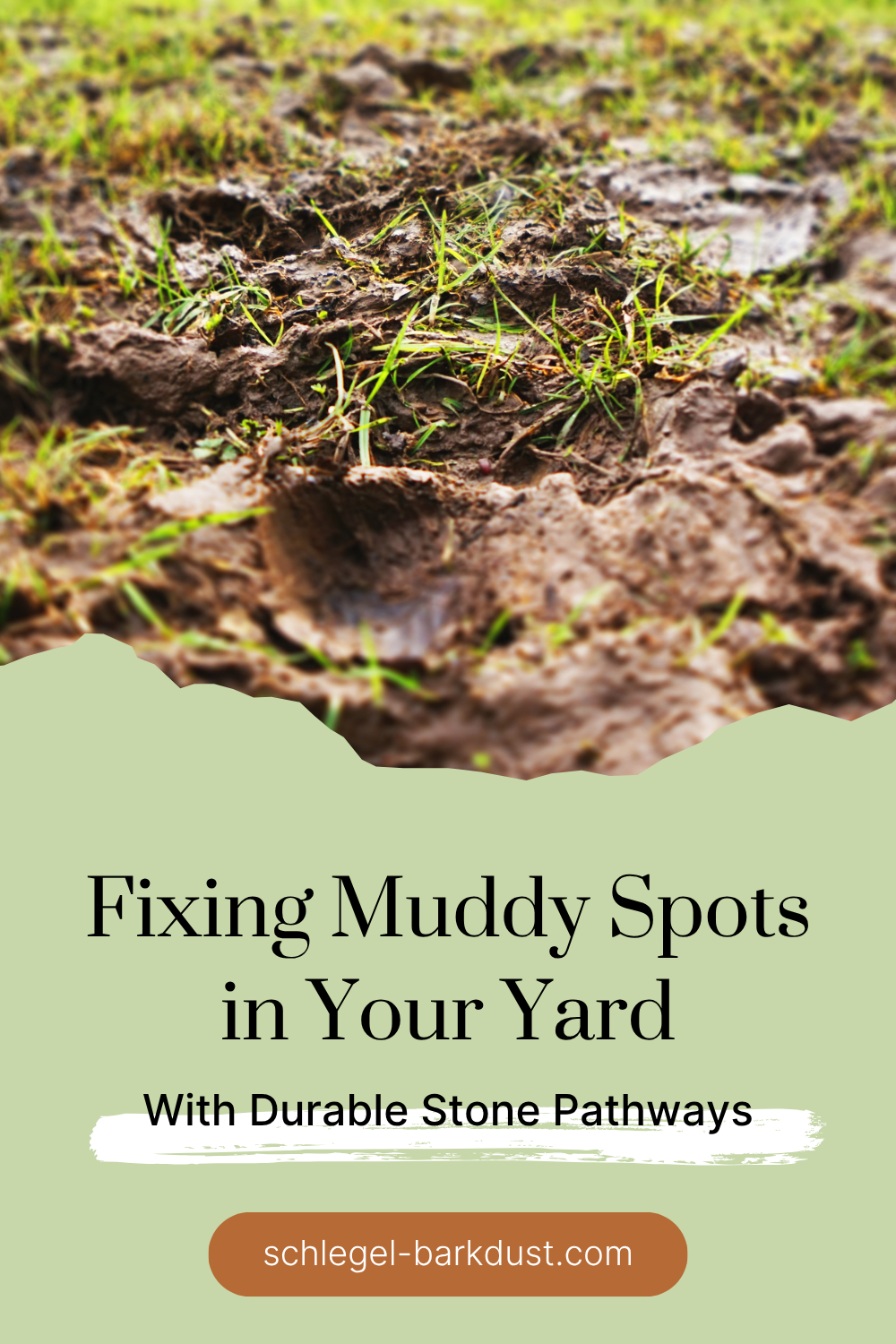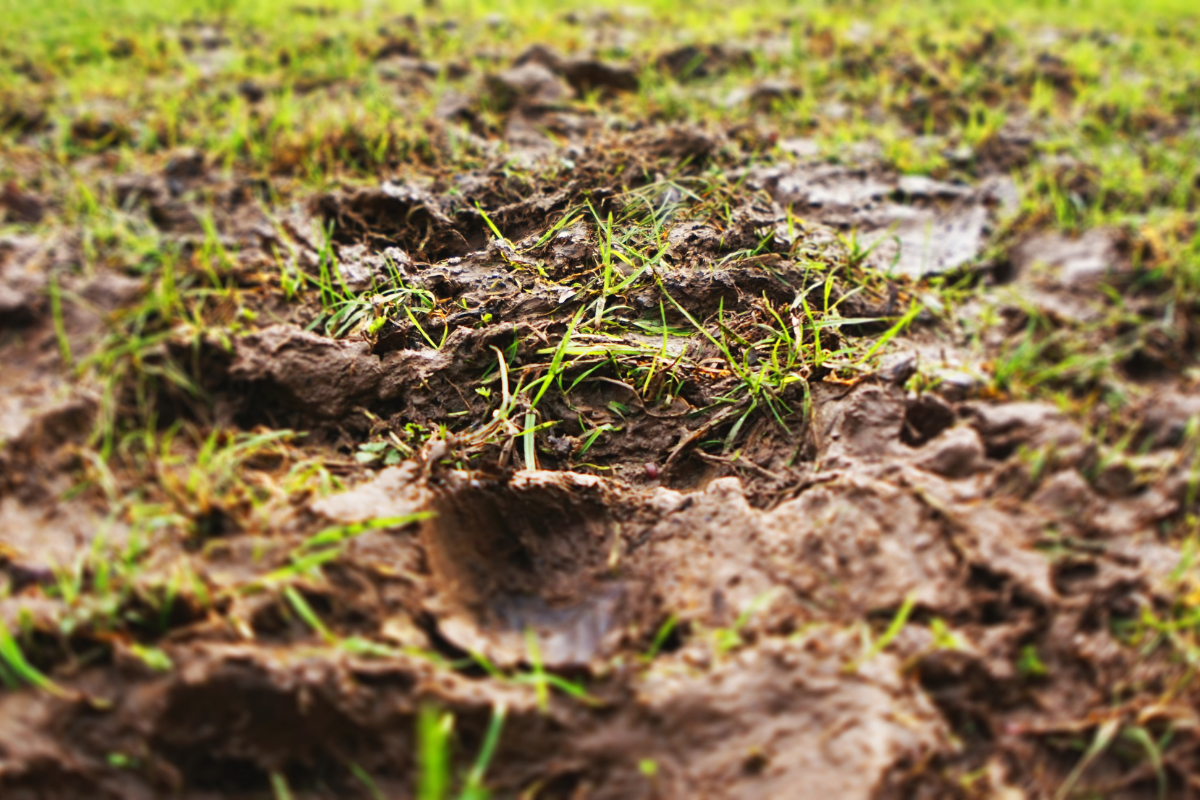
There are some parts of your yard that seem to turn into mud the second the rainy season arrives. The path to the backyard gate. The area around the garbage cans. The spot where everyone walks between the driveway and the front door. The ground beside the shed that somehow never gets a chance to dry out.
These high-traffic areas take a beating year-round, but the problem becomes especially obvious during the wet months. Repeated foot traffic can compact soil, wear away vegetation, and create muddy ruts that only seem to get worse as the season goes on.
The good news? You don't necessarily need to redesign your entire landscape. Creating a more durable surface in the places that get the most traffic can make a big difference. The key is choosing the right material and, just as importantly, giving it a properly prepared foundation.
Before bringing in any landscape material, take a walk around your property and pay attention to where problems consistently occur.
Look for places where grass has worn away, soil has become compacted, or water tends to collect. Pay particular attention to natural walking routes. A path may not be officially designated as a walkway, but if everyone uses the same route to get from the driveway to the backyard, your landscape is already telling you that a path belongs there.
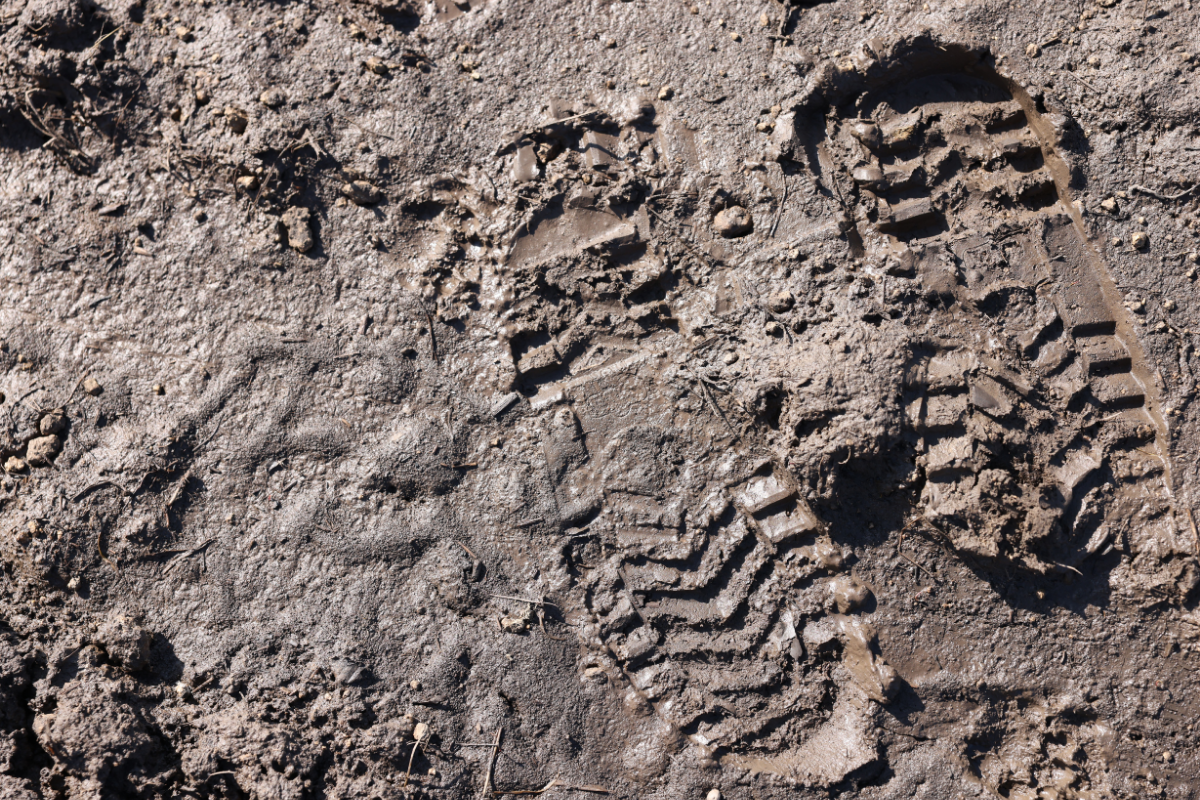
Common high-traffic areas include:
You don't have to address every problem area at once. Starting with the spots that create the most mud or see the most traffic can give you the biggest improvement for your effort.
Rain doesn't automatically cause a muddy path. Water that has nowhere to go does.
Before creating a new path or resurfacing an existing one, pay attention to the way water moves across the property. Is the area naturally low? Does water collect there? Is a downspout sending water directly onto the path? Does the surrounding soil stay saturated after a storm?
Sometimes the solution may be as simple as adjusting the grade or redirecting a downspout. In other situations, the area may need a more intentional drainage solution.
A durable path should work with your property's water flow rather than simply trying to cover up the evidence of it.
A path used once a week for strolling through the garden has very different requirements from the route your family takes to the garage ten times a day.
Think about the amount and type of traffic the area receives.
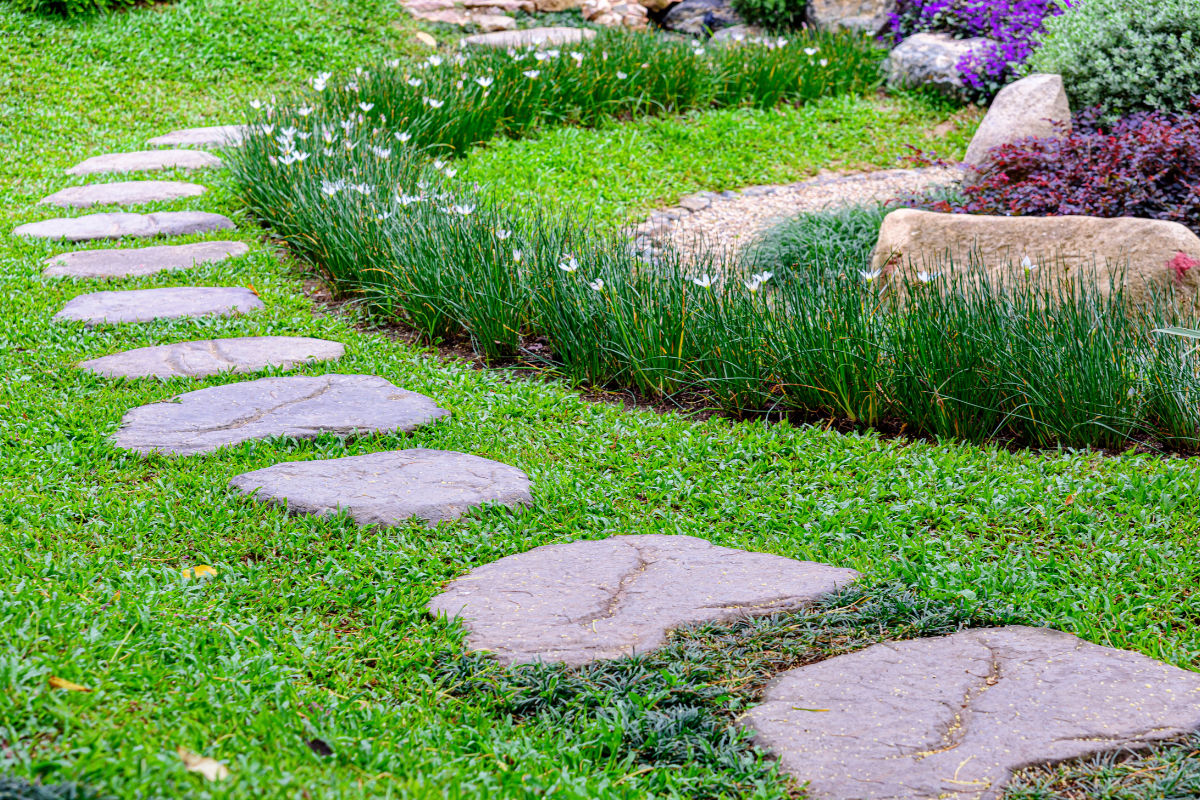
Light foot traffic: A simple garden path may be all you need.
Daily foot traffic: You'll want a more stable surface and a properly prepared base.
Pets: Consider areas where digging, running, and muddy paws are likely to be an issue.
Vehicles or equipment: These areas require materials and construction designed to handle substantially greater loads.
This is also a good time to consider accessibility. A surface that shifts significantly underfoot may not be ideal for everyone. If the path needs to accommodate strollers, wheelbarrows, mobility devices, or frequent deliveries, stability should be a major consideration.
This is one of the most important things to understand about creating a durable landscape path: the surface material isn't the whole solution.
Dumping a layer of gravel over soft, muddy soil might make the area look better temporarily, but foot traffic can quickly push the material into the ground. Before long, you may be right back where you started.
A durable path starts with a suitable base. Depending on the project, that may involve removing some existing soil, addressing drainage or grading issues, compacting the underlying material, and installing an appropriate base layer of sand and/or finely crushed rock before adding the finished surface.
The exact approach depends on the site, how much traffic the area receives, and what type of surface you're creating. A lightly used garden path doesn't necessarily need the same construction as an area that sees daily foot traffic or equipment.
When in doubt, it's worth talking through your project with someone who knows landscape materials. A little planning before the material arrives can save you from having to redo the project later.
Not all rock and gravel products behave the same way, and the prettiest material isn't always the most practical choice for a high-traffic area.
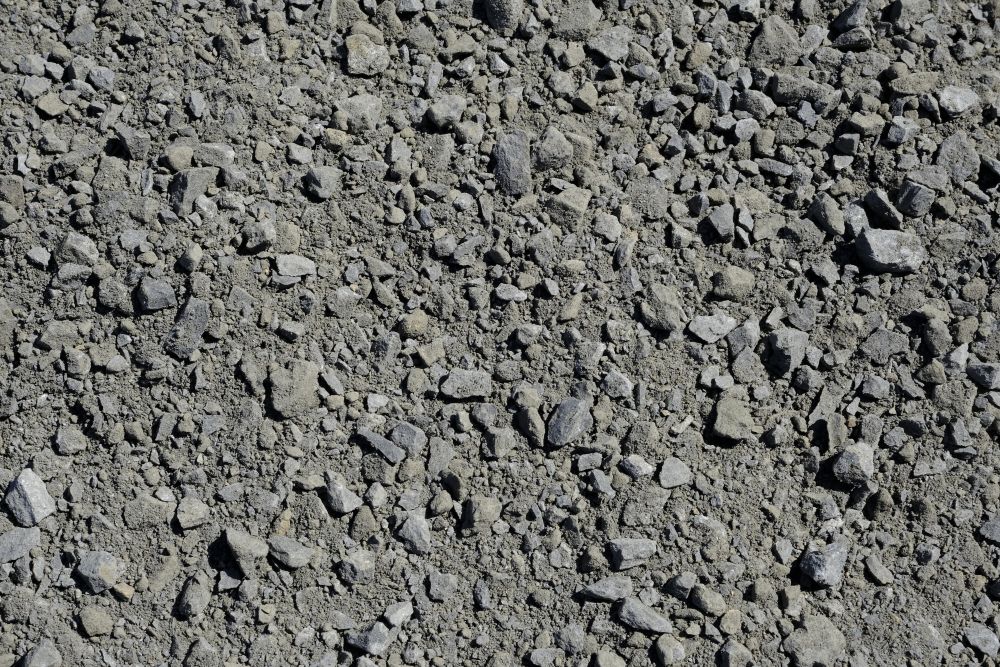
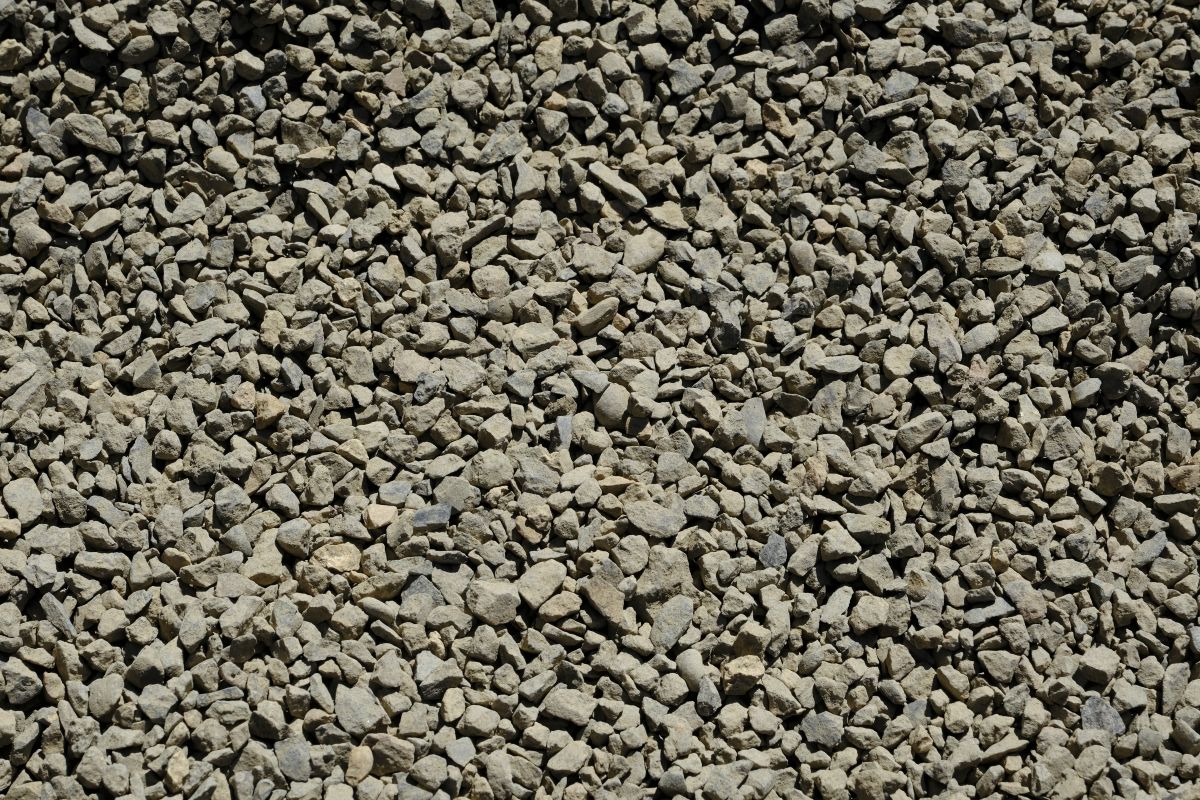
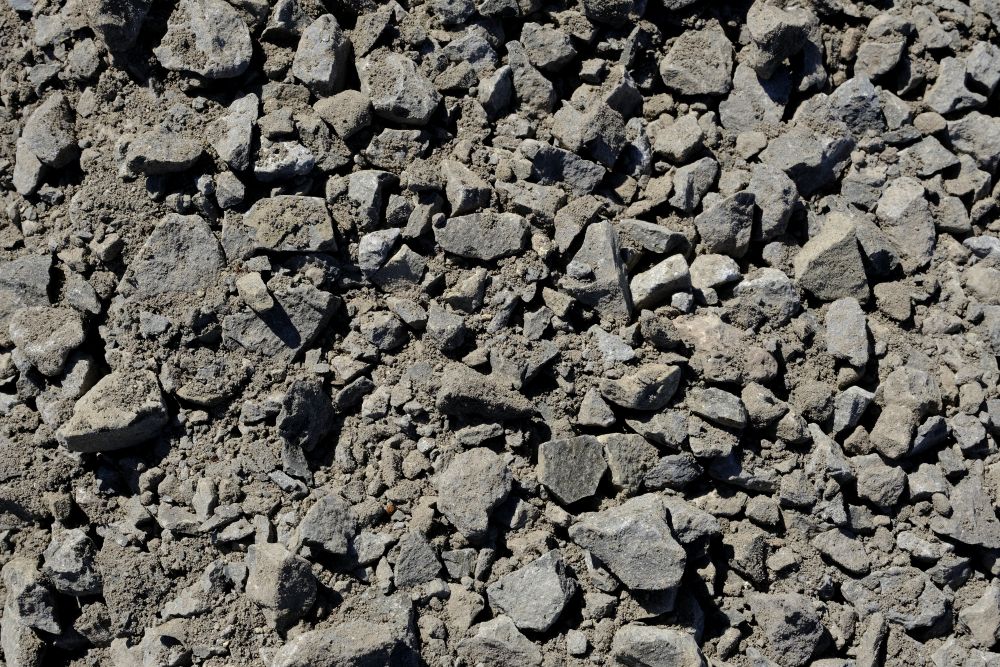
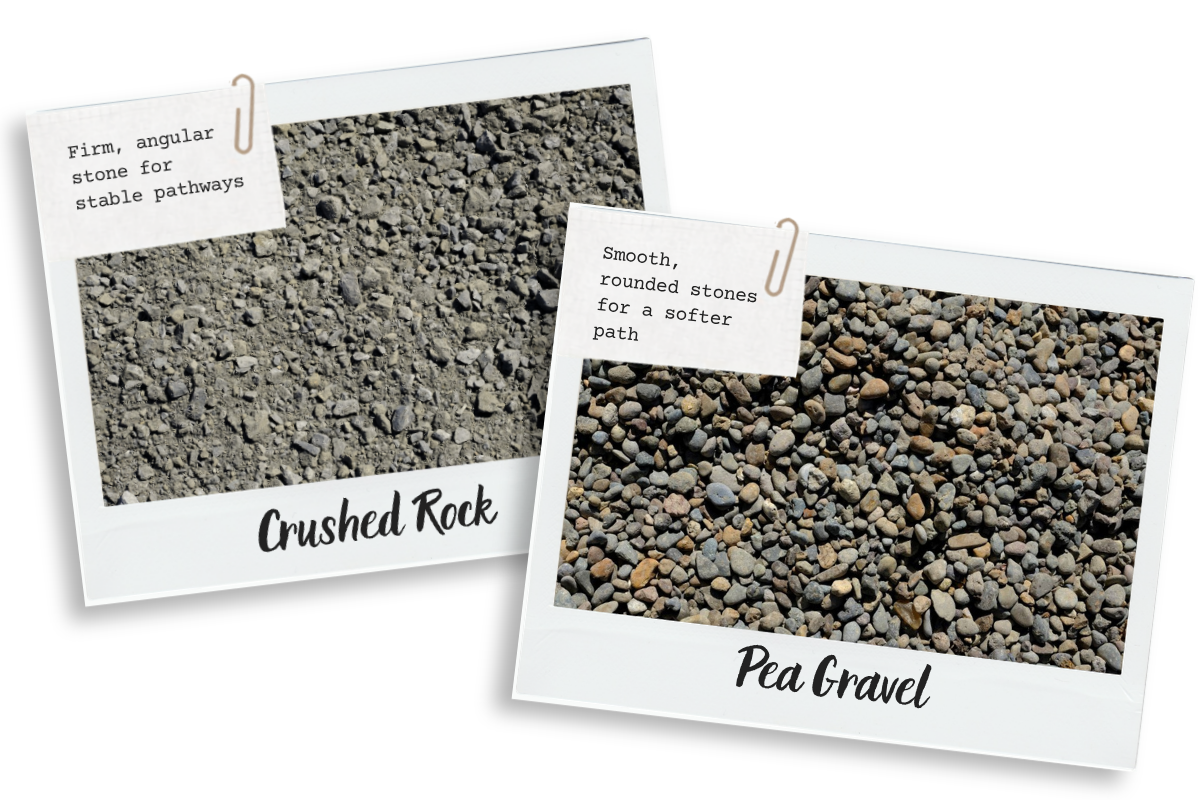
Crushed rock contains a mixture of differently sized particles that can fit together and compact into a more stable surface. Depending on the product, it can work well for paths, driveways, bases, and other areas where stability matters.
Pea gravel and other rounded decorative aggregates have a different structure. Their smooth, rounded shapes don't lock together in the same way, which can make them better suited to certain walkways, patios, and decorative applications rather than areas that require a highly compacted surface.
Decorative rock can also be a great choice when appearance is a major consideration, particularly around planting beds and other landscape features.
The important thing is to match the material to the job. Think about how the area will be used, how much traffic it receives, whether you need a compacted surface, and how you want it to look.
A path doesn't need to look formal to benefit from clearly defined edges.
Edging helps keep aggregate where you want it and creates a cleaner transition between the path and surrounding planting beds or lawn. Without some kind of boundary, gravel can gradually spread into the landscape through foot traffic, rain, lawn maintenance, and general use.
The edging itself can be simple. Landscape edging, pavers, natural stone, or other materials can all help establish a clear boundary.
Defined edges also make a gravel path look more intentional. Instead of appearing like a pile of rock dropped onto the ground, the path becomes a deliberate part of the landscape design.
Once you've solved the muddy path itself, take a look at what surrounds it.
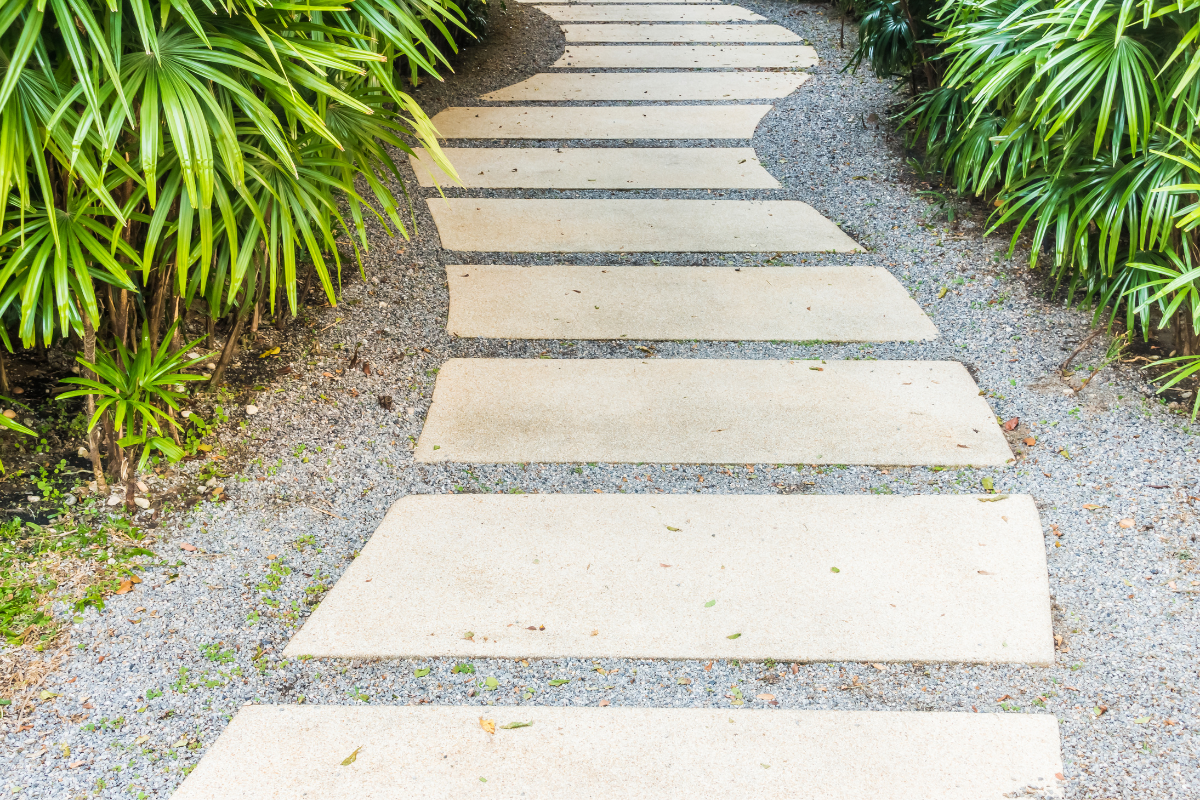
Bare soil alongside a pathway can still become muddy, particularly where rainwater runs off the path or where people step off the surface. Planting beds, groundcovers, mulch, barkdust, or decorative rock can help create a more finished transition.
This is also an opportunity to think about the overall landscape. A durable path doesn't have to look utilitarian. Pairing a gravel or crushed-rock path with planted beds, natural stone, barkdust, or other landscape features can make the practical solution feel like part of the design.
The Pacific Northwest gives our landscapes plenty of moisture, and that isn't necessarily a bad thing. The trick is creating spaces that can handle that moisture without becoming a muddy mess.
A durable landscape path starts with understanding how the space is used, where water goes, and what kind of surface will hold up to the traffic it receives. With the right base, appropriate material, and thoughtful design, even the wettest months don't have to mean muddy shoes and worn-out pathways.
A little planning now can make your landscape easier to enjoy all winter long.
Ready to tackle a muddy walkway, worn-out side yard, or other high-traffic area this fall? Schlegel can help you find the right landscape materials for your project, from crushed rock and gravel to decorative rock, barkdust, soil, and compost.
Contact us to talk through your project and find the material that's right for the job.