After a long, hot summer, many lawns are looking a little worse for wear. Brown patches, compacted soil, thinning grass, and bare spots are all common by the time fall arrives. Fortunately, autumn is one of the best times of year to help your lawn recover.
Cooler temperatures, increased rainfall, and warm soil create ideal conditions for grass to establish strong roots before winter. A little work in the fall can lead to a thicker, healthier, greener lawn next spring.
Whether your lawn needs a complete refresh or just a little attention, these steps will help set it up for success.
Grass grows differently throughout the year. During the heat of summer, cool-season grasses commonly grown throughout the Pacific Northwest slow their growth as they focus on surviving hot, dry conditions.
As temperatures begin to cool in early fall, grass shifts its energy back to developing roots. This makes autumn the ideal time to repair damage caused by summer stress.
Benefits of fall lawn care include:
Rather than simply treating the symptoms of a struggling lawn, fall lawn care helps address the underlying health of the soil and root system.
Before getting started, take a walk around your yard and identify problem areas.
Look for:
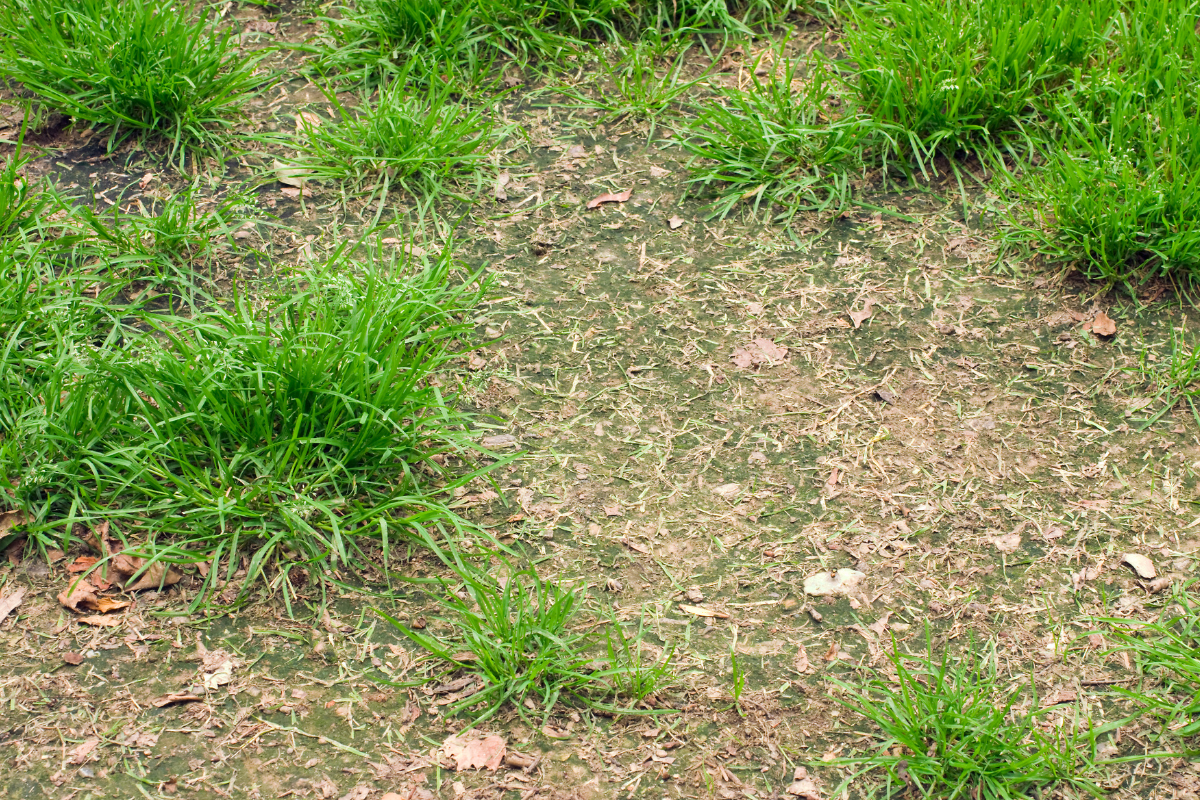
Not every lawn needs every treatment. Identifying the issues first helps you focus your time and effort where it's needed most.
A layer of fallen leaves may look beautiful, but leaving them on your lawn for long periods can block sunlight and trap excess moisture.
Regularly remove:
A clean lawn allows air, water, and sunlight to reach the grass more effectively.
Over time, foot traffic, mowing, pets, and even rainfall can compact soil.
Compacted soil limits:
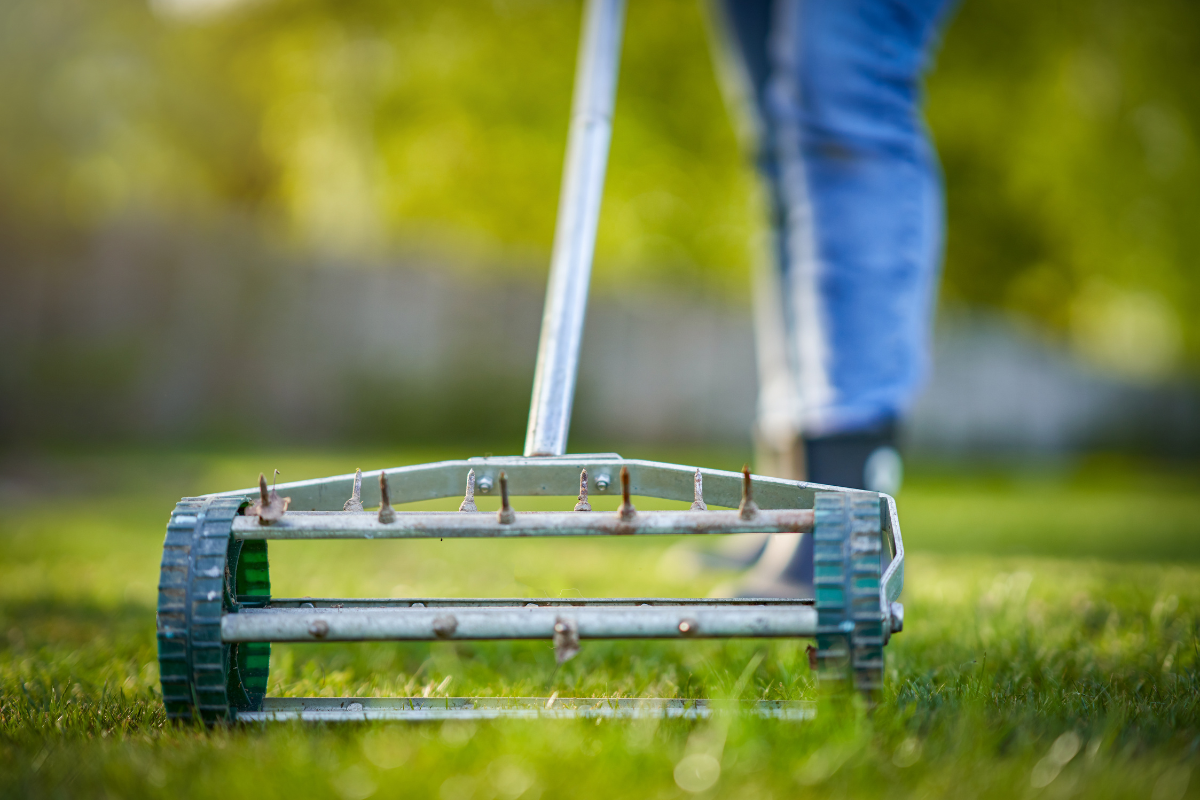
Core aeration removes small plugs of soil, creating openings that allow air and water to move deeper into the root zone.
Lawns with heavy clay soil or high traffic often benefit the most from aeration.
If your lawn feels hard underfoot or water tends to puddle after rain, aeration is worth considering before moving on to the next steps.
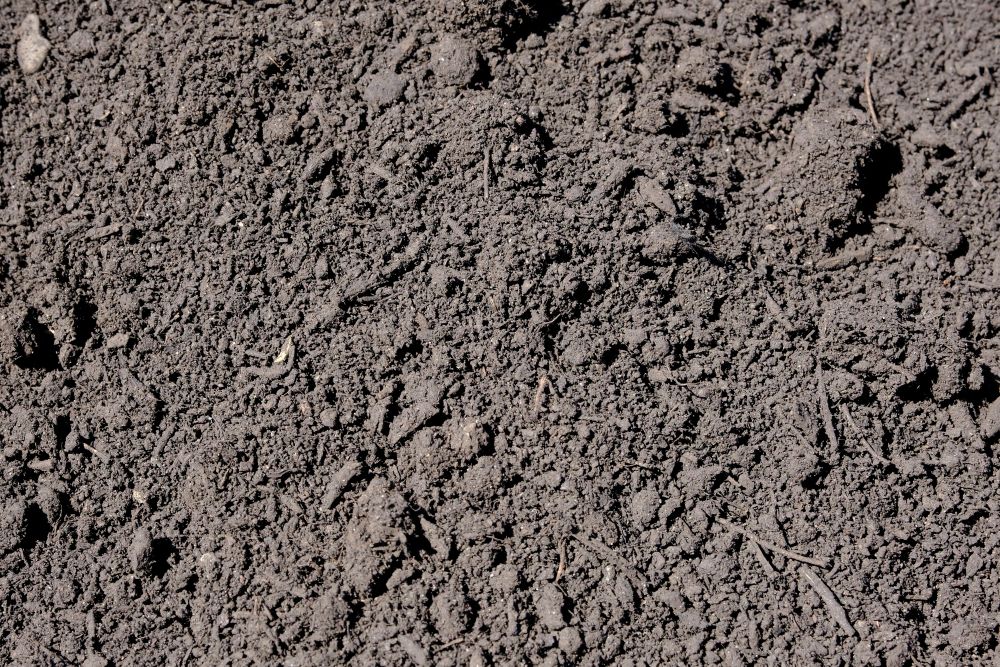
One of the most beneficial things you can do for your lawn is apply a thin layer of quality compost.
Topdressing improves the soil gradually without disturbing the existing lawn.
Benefits include:
Apply approximately ¼ to ½ inch of screened compost evenly across the lawn after aerating.
A lawn rake or leveling rake can help work the compost into the grass canopy while leaving the blades exposed to sunlight.
Over time, compost naturally works its way into the soil, improving its structure year after year.
Fall is also one of the best times to overseed.
Adding new grass seed helps:
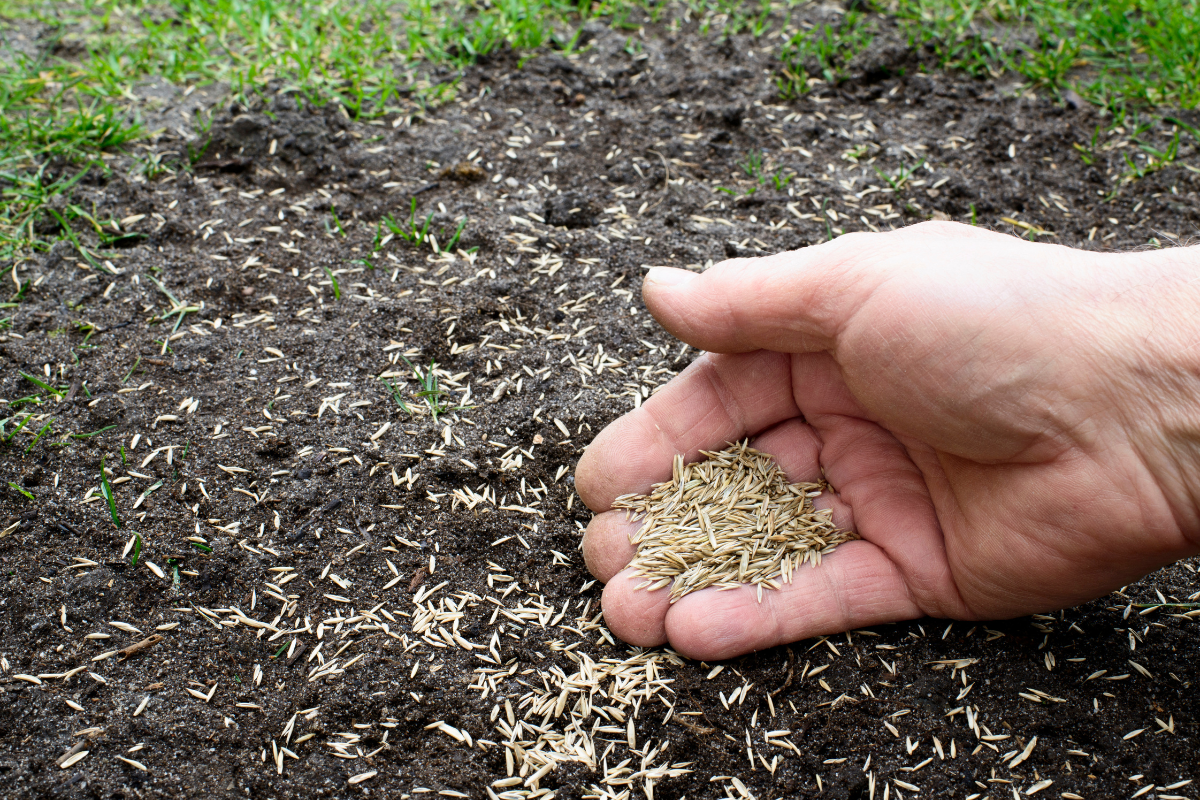
After aerating and topdressing, spread seed evenly over thin areas or across the entire lawn if needed.
Keep the soil consistently moist while the seed germinates.
Choosing a grass seed blend suited for the Pacific Northwest can improve long-term performance.
Fall fertilization supports strong root growth heading into winter.
Rather than encouraging excessive leaf growth, fall fertilizers help grass store energy for the following growing season.
If you've recently added compost, your lawn is already receiving valuable nutrients and organic matter. Depending on your soil's condition, you may still benefit from a balanced fall fertilizer, especially if a soil test indicates nutrient deficiencies.
Following the recommended application rate helps prevent unnecessary runoff and wasted fertilizer.
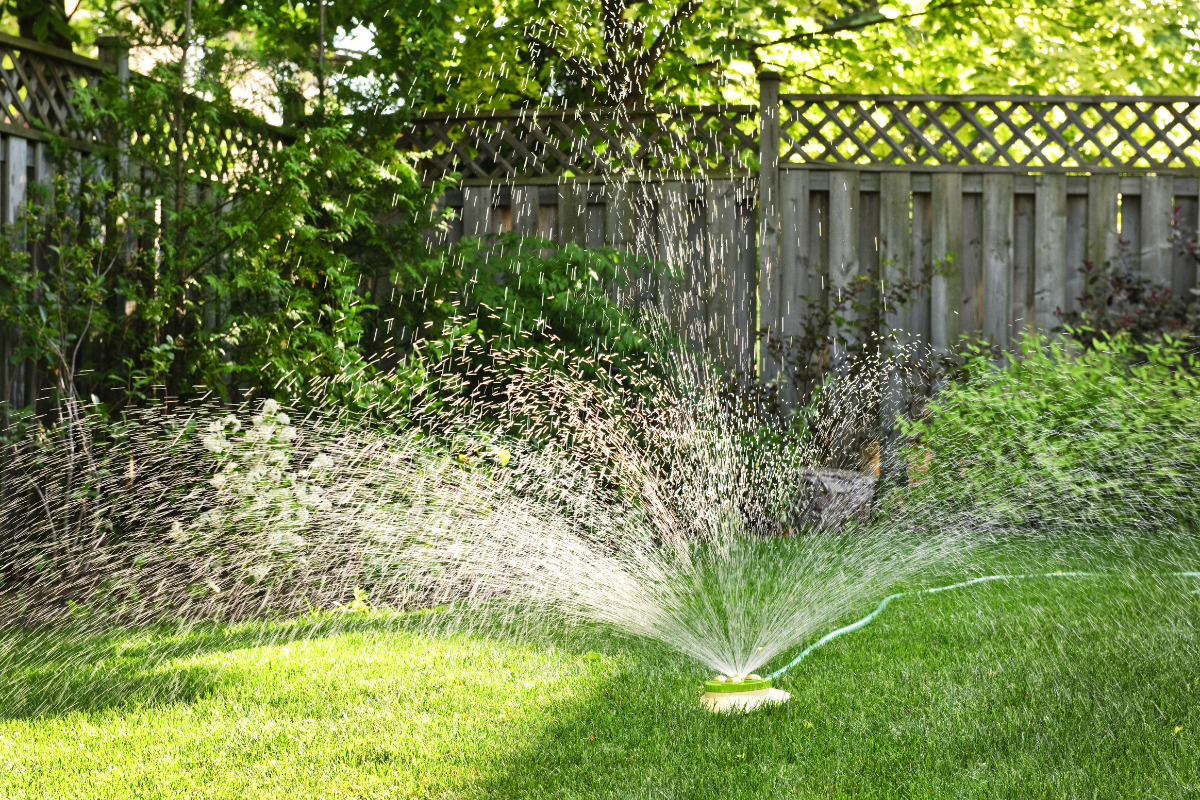
Even though temperatures are cooler, newly seeded lawns still require consistent moisture.
Continue watering until seasonal rainfall provides adequate moisture.
The goal is to keep the soil evenly moist during seed establishment, not saturated.
As autumn rains become more frequent, irrigation can often be reduced or turned off entirely.
Grass continues growing well into fall.
Continue mowing as needed, gradually lowering your mowing frequency as growth slows.
Avoid removing more than one-third of the grass blade at a time.
For the final mowing of the season, many homeowners prefer to mow slightly shorter than during summer, generally around 2 to 2½ inches, depending on the grass variety. This can help reduce the risk of snow mold and matting over winter while still protecting the crown of the grass.
Possible Causes |
Solution |
|---|---|
| Heavy foot traffic Pet damage Summer drought Disease |
Loosen the soil, apply compost, reseed, and keep moist until established. |
Possible Causes |
Solution |
|---|---|
| Nutrient deficiencies Compacted soil Too much shade Old turf |
Aerate, topdress with compost, overseed, and evaluate whether nearby trees or shrubs are limiting sunlight. |