There’s something about fall that makes the garden feel like it’s winding down. Summer flowers are fading, vegetable gardens are being cleared, and the leaves are starting to pile up. But underneath the surface, your landscape is still very much at work.
In fact, fall can be one of the best times of year to plant trees, shrubs, perennials, and many other landscape plants. Cooler temperatures, more consistent rainfall, and warm soil create conditions that allow new plants to settle in and establish their roots before the demands of next summer arrive.
One of the biggest advantages of fall planting is the weather.
The cooler temperatures of autumn are much gentler on newly planted plants than the heat of summer. Plants lose less moisture through their leaves, which means they generally experience less transplant stress while they adjust to their new surroundings.
Newly planted plants still need water while their roots are getting established, especially during dry stretches. But with cooler temperatures and more natural rainfall, keeping them hydrated is usually easier than it is during the heat of summer.
Here's the part of fall planting that often gets overlooked: while the air is getting cooler, the soil is still holding onto the warmth it accumulated throughout summer.
That combination of warm soil and cooler air creates excellent conditions for root growth. Newly planted trees, shrubs, and perennials can spend the fall developing their root systems without having to put as much energy into above-ground growth.
When spring arrives, plants that established a strong root system the previous fall are better positioned to take advantage of the new growing season.
Think of it as giving your plants a head start before the busy season begins.
For Pacific Northwest gardeners, this one is a particularly big advantage.
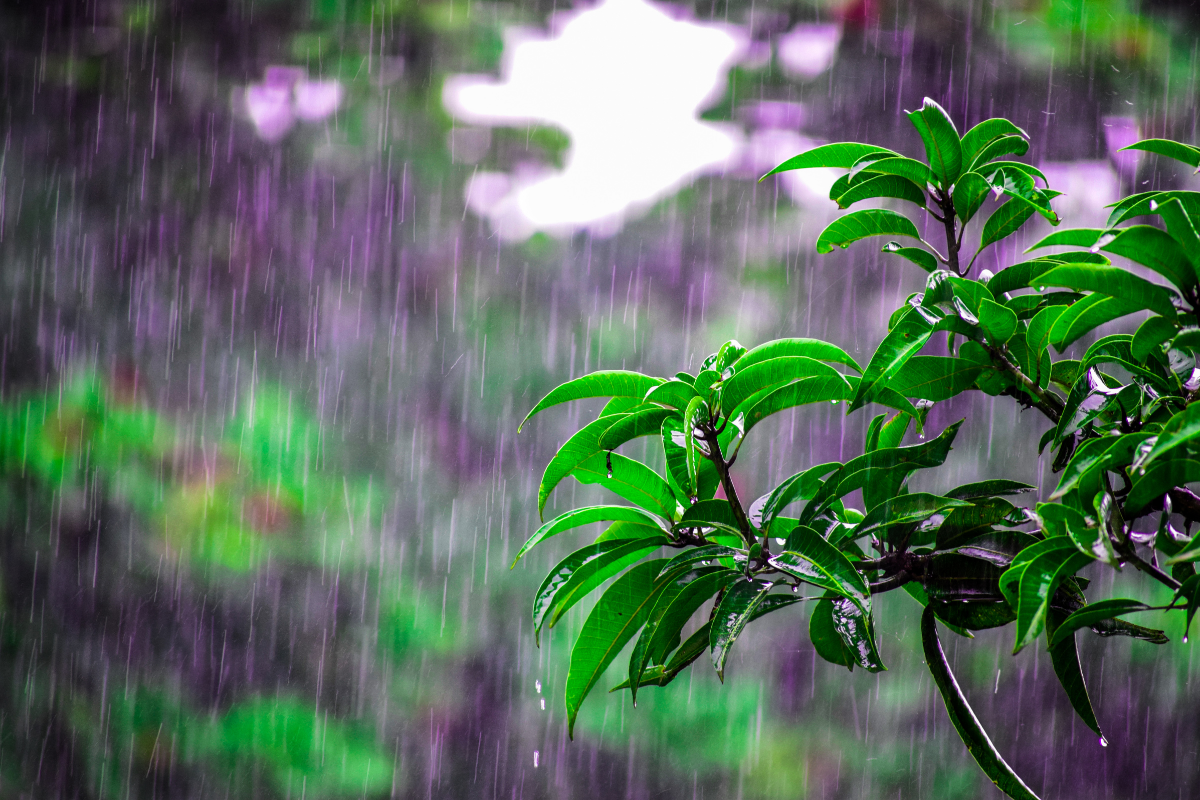
As the rainy season returns, natural rainfall can provide much of the moisture newly planted landscapes need. That can make fall planting considerably less demanding than trying to establish the same plants during a dry summer.
Of course, October rain doesn't mean you should stop paying attention to your plants. Check the soil around new plantings and water when necessary, particularly during unusually dry weather. The goal is consistently moist soil, not constantly soggy soil.
Fall is a good time to plant many different types of landscape plants, but the best choices depend on your location, soil conditions, and the specific plant.
In the Pacific Northwest, fall can be a particularly good time to plant:
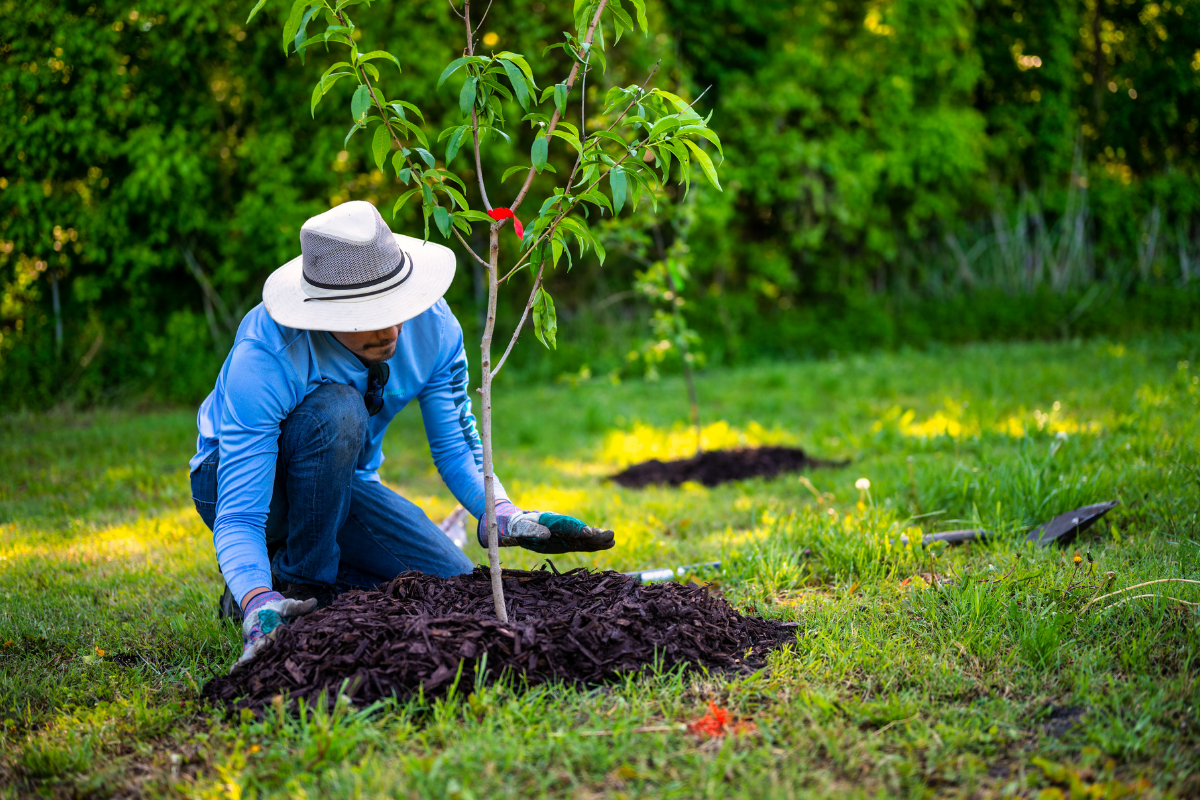
Local growing conditions matter, so check the recommendations for the specific plants you're considering. A local nursery or garden center can also help you choose varieties that are well suited to your landscape.
Good planting starts below ground.
Before putting a new plant into the landscape, take a look at the soil. Heavy, compacted, or depleted soil can make it harder for roots to establish, while healthy soil provides the structure, moisture, and nutrients plants need.
Adding compost or other appropriate organic matter can help improve soil conditions in garden beds. For larger landscape projects, bringing in quality soil can also make a significant difference in the long-term health of new plantings.
The goal isn't simply to fill a hole with soil. It's to create an environment where roots can spread and thrive.
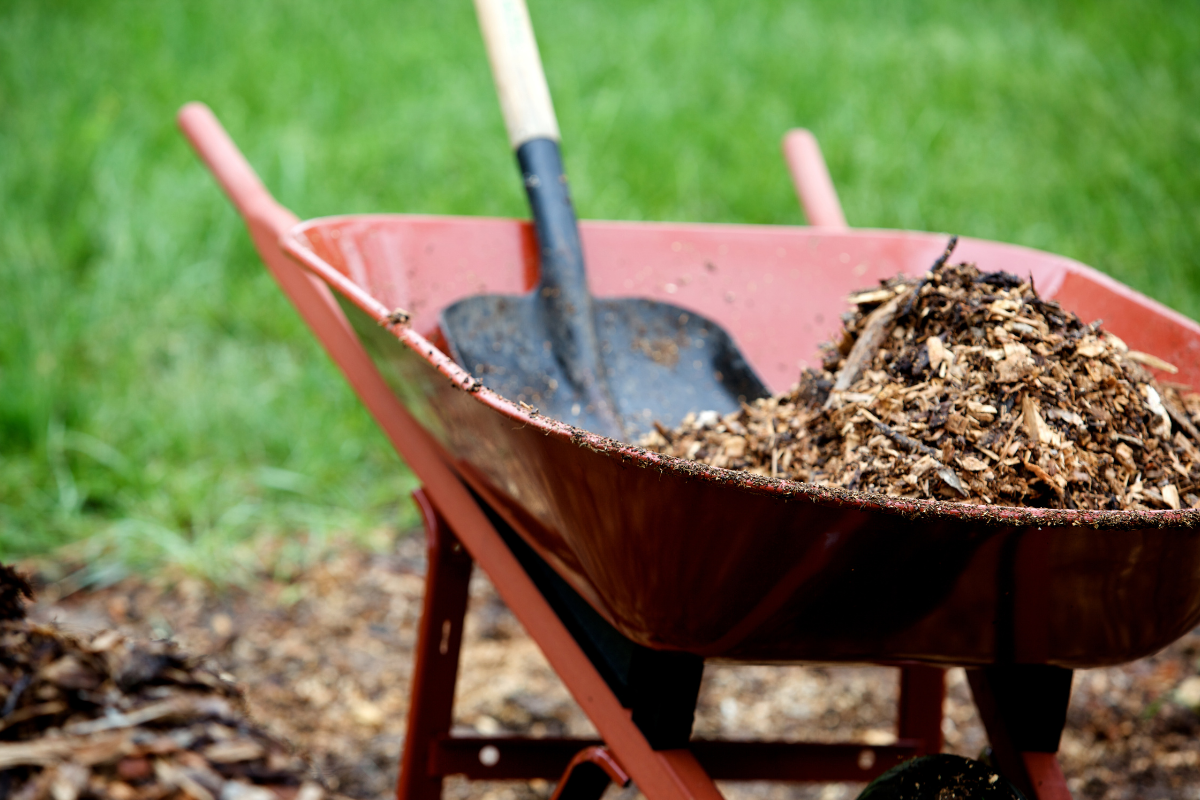
Once your plants are in the ground, a layer of mulch or barkdust can provide another layer of protection.
Mulch helps conserve soil moisture, moderate soil temperatures, and reduce competition from weeds. It can also help protect exposed soil from the impact of heavy rainfall and reduce erosion around newly planted areas.
Just remember that more isn't necessarily better. Keep mulch a few inches away from tree trunks and plant stems, and avoid creating excessively deep layers.
A properly applied layer of mulch gives new plants some extra protection as they settle in for the winter.
One of the best things you can do after fall planting is resist the temptation to fuss over everything.
Keep an eye on moisture levels, remove weeds that compete with new plants, and make sure mulch isn't piled against trunks or stems. Beyond that, give your plants some time.
A newly planted tree may not look dramatically different by the time winter arrives. That's okay. A lot of the important work is happening underground.
By spring, those roots will already have had months to settle into their new surroundings.
Fall may look like the end of the gardening season, but it's actually an opportunity to get ahead.
With cooler temperatures, warm soil, and the return of seasonal rainfall, autumn offers many plants an ideal environment for getting established. Add healthy soil, thoughtful planting, and a protective layer of mulch, and you're giving your landscape a strong foundation for the growing season ahead.
So before you put away your gardening gloves for the year, take another look around your yard. There may still be plenty of planting to do.
Planning a planting project this fall? Schlegel has the soil, compost, barkdust, mulch, and other landscape materials to help you get your project off to a strong start.
Contact us to talk with our team about the materials you'll need for your next fall landscaping project.