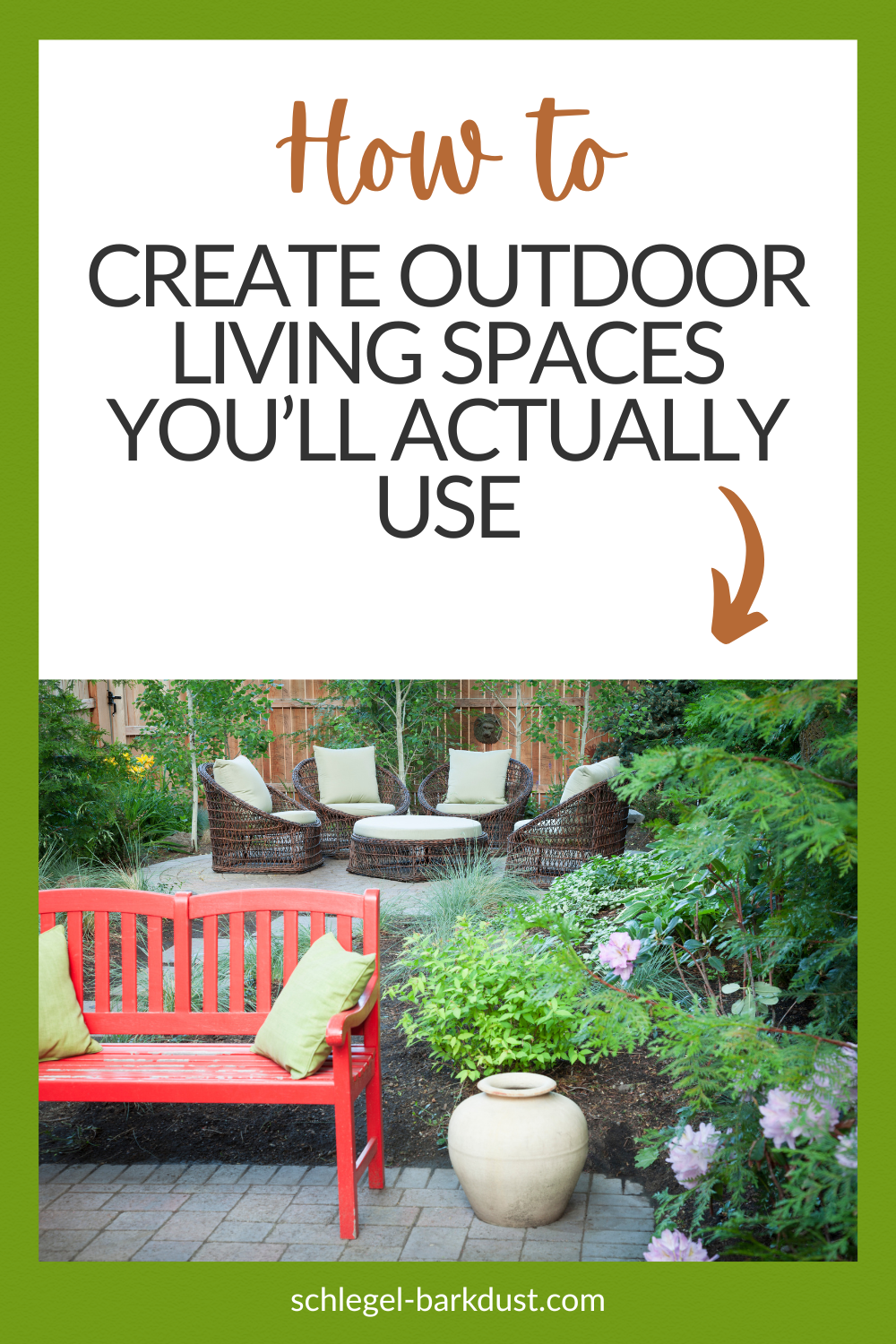
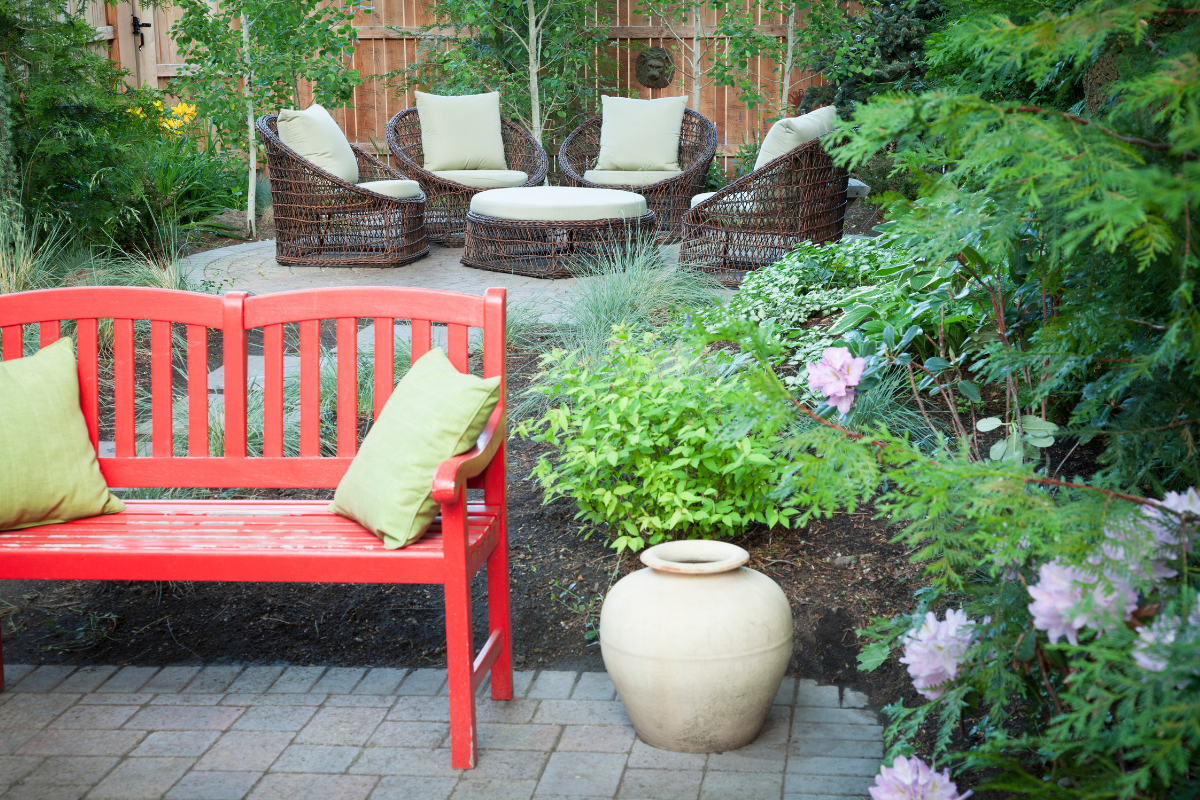
A lot of outdoor spaces look fine on paper but never quite get used in real life. The patio sits empty, the lawn feels too open or too high-maintenance, and the yard becomes something you see more than something you actually enjoy.
The difference usually isn’t square footage or budget. It’s how the space is designed, divided, and finished.
Creating an outdoor space you’ll actually use comes down to a few practical choices: defining zones, choosing low-maintenance materials, and making the space feel intentional instead of accidental.
Here’s how to build a backyard that you’ll actually spend time in.
Before thinking about materials or design, start with function.
Ask yourself:
Most usable yards aren’t one big open area. They are divided into smaller, purposeful zones.
Even simple zoning makes a yard feel more intentional and easier to use.
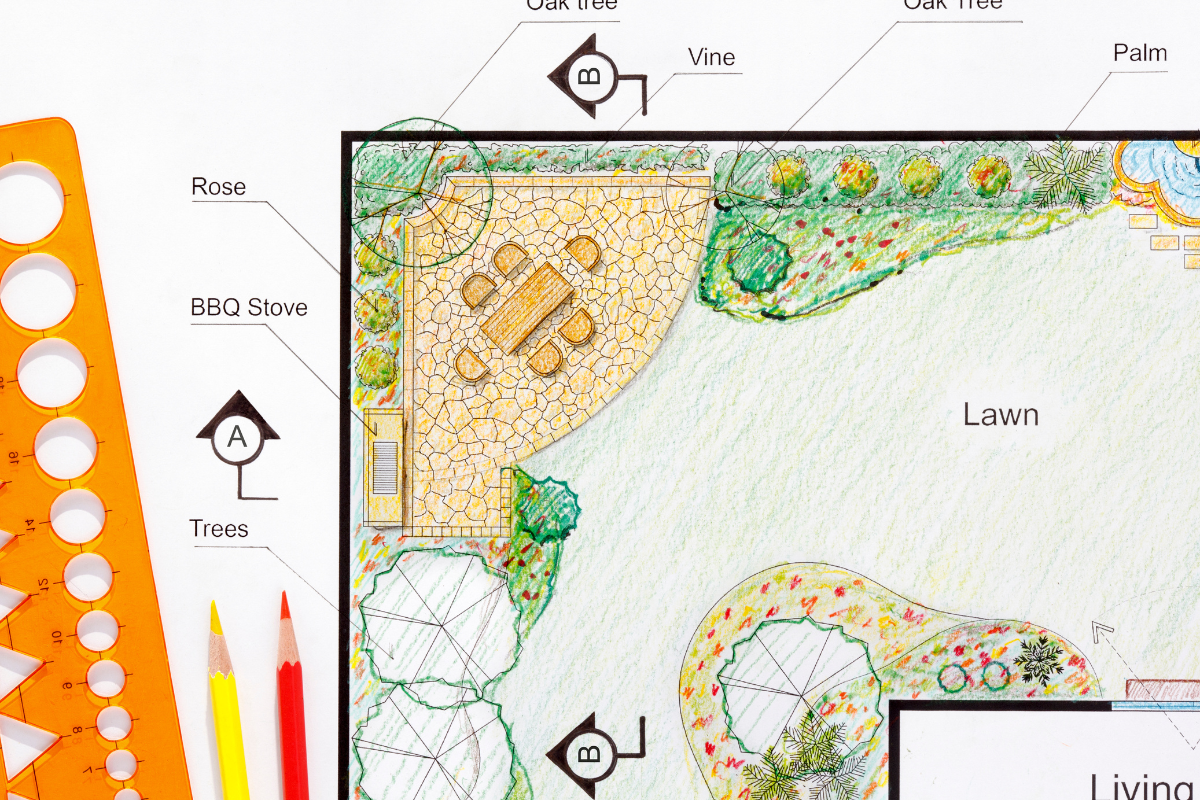
One of the biggest reasons outdoor spaces go unused is lack of definition. When everything blends together, nothing feels “finished.” You don’t need walls or major construction to fix this. Simple material changes can define space clearly.
A gravel seating area next to a bark-lined garden bed already feels like two separate, usable spaces instead of one undefined yard.
A backyard feels more usable when movement is natural. Think about how you walk from the house to different areas, where people will naturally gather, and how paths connect spaces.
Even a simple gravel or flagstone path can make a yard feel more functional by guiding movement and reducing “dead zones” that don’t get used. Flow turns a collection of features into a usable space.
Most outdoor spaces don’t need more features. They need one clearly defined place where people actually want to sit.
That could be:
Once that focal point exists, the rest of the yard naturally supports it instead of competing with it.
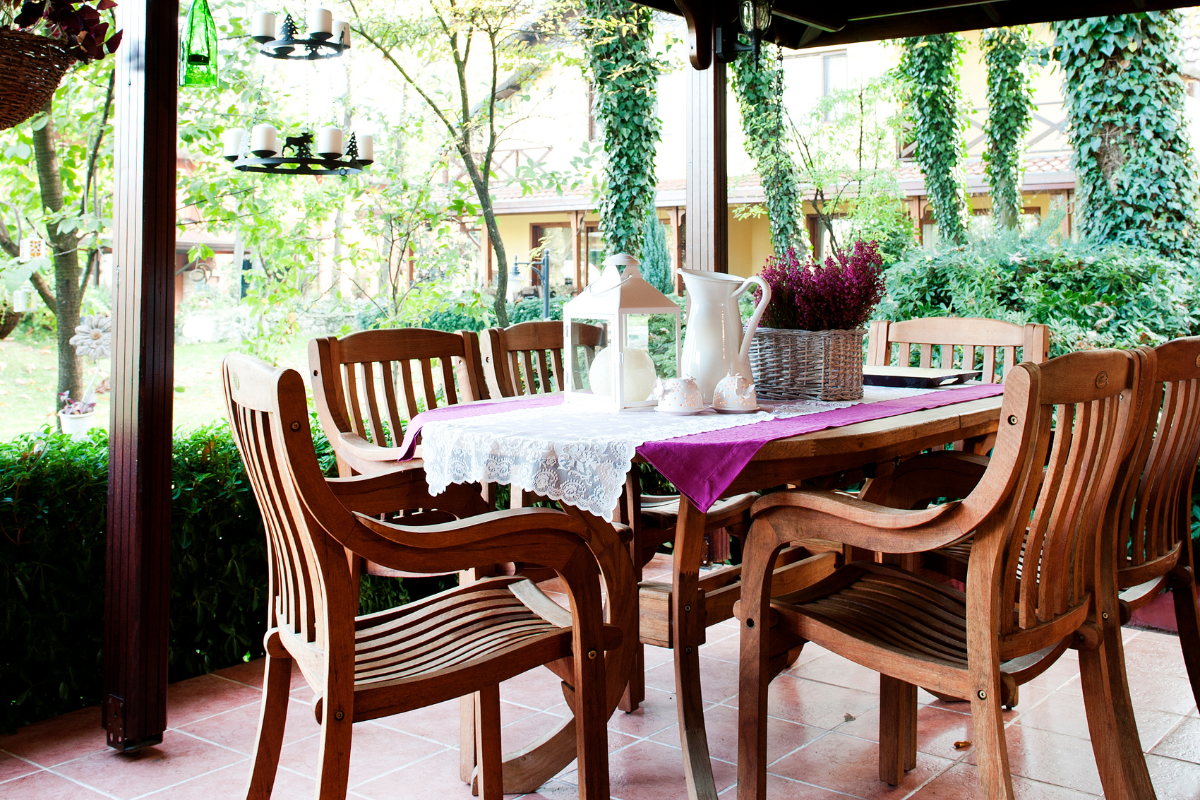
The difference between a yard that feels “unfinished” and one that feels usable often comes down to edges. Create clean transitions between, lawn and gravel, beds and walkways, bark and hardscape. These details make the space feel intentional and well maintained, even if the design is simple.
An outdoor space you actually use doesn’t require a full redesign or a large investment. It comes from clarity: clear zones, simple materials, and thoughtful layout.
Gravel creates structure and durability. Barkdust brings softness, definition, and lower maintenance. Together, they turn a yard into a space that feels organized, comfortable, and easy to live in.
If your outdoor space feels underused right now, start small. Define one area. Improve one surface. Add one focal point. Over time, those small changes turn into a yard you don’t just look at, but actually use.
And if you need help choosing the right materials or planning out quantities, Schlegel can help you get it dialed in before you start.