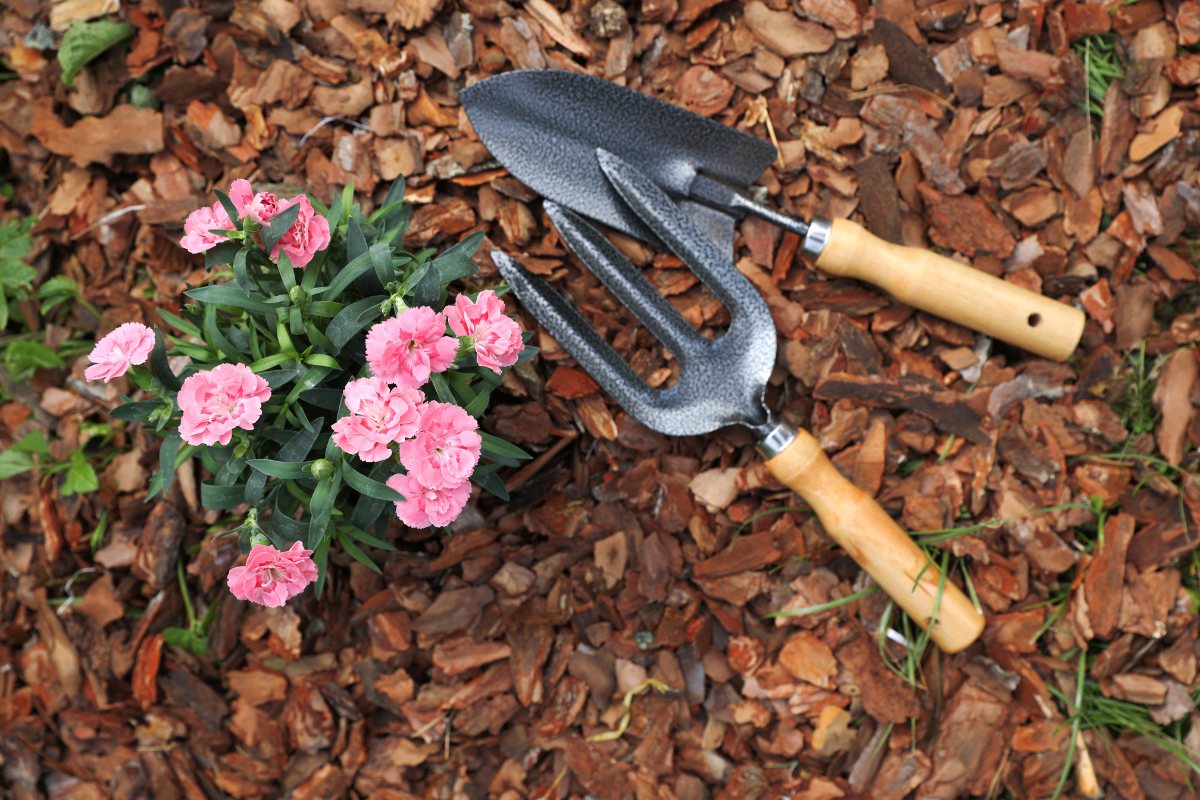
Flower beds do a lot of visual heavy lifting in a yard. They frame your home, soften hard edges, and bring seasonal color into focus. But underneath all that, one simple material often determines how healthy, low-maintenance, and polished those beds actually are: barkdust.
The right barkdust choice, applied at the right depth, can dramatically reduce weeds, help soil retain moisture, and keep flower beds looking clean through the season. The wrong approach, or too thin a layer, tends to do the opposite: more weeds, faster drying soil, and a bed that looks unfinished within weeks.
Here’s how to choose the best barkdust for flower beds and how to apply it correctly so it actually works the way it’s supposed to.
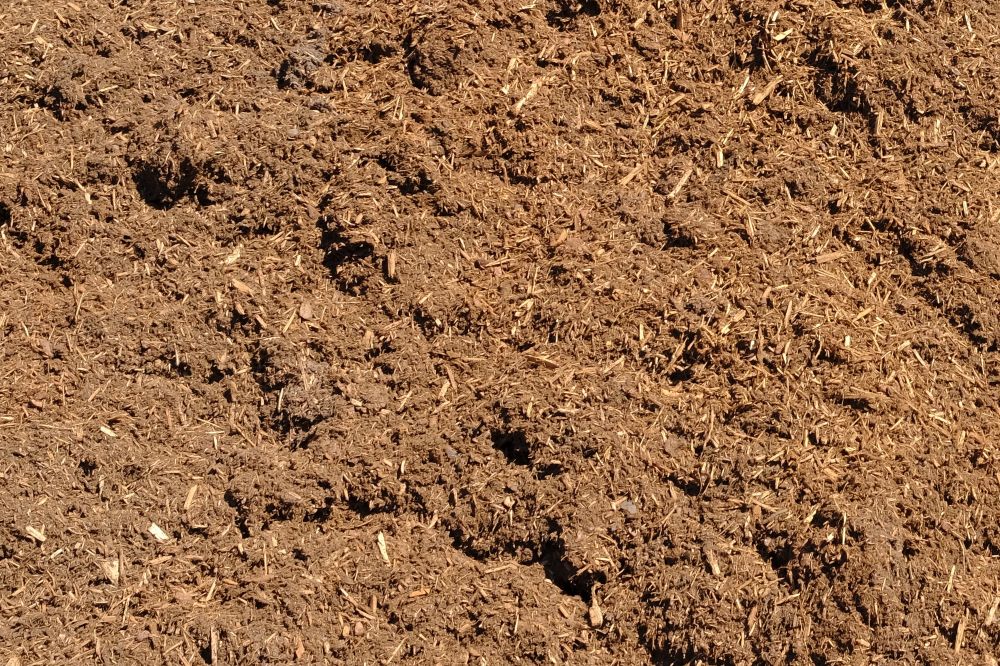
Not all barkdust is the same, and the differences matter more than most people realize. The right option depends on your goals for appearance, longevity, and maintenance.
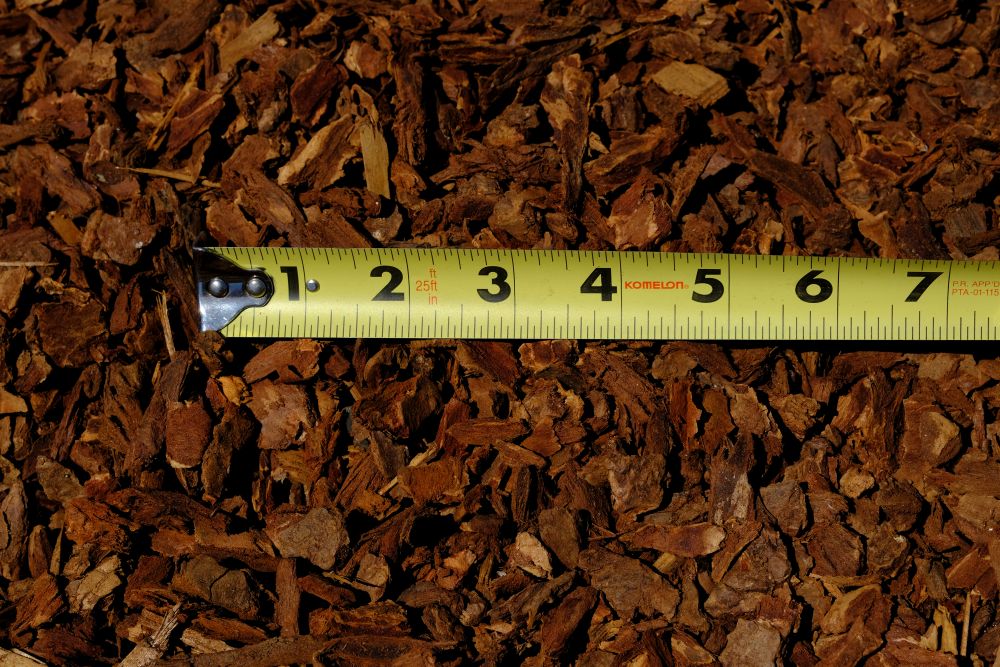
.JPG)
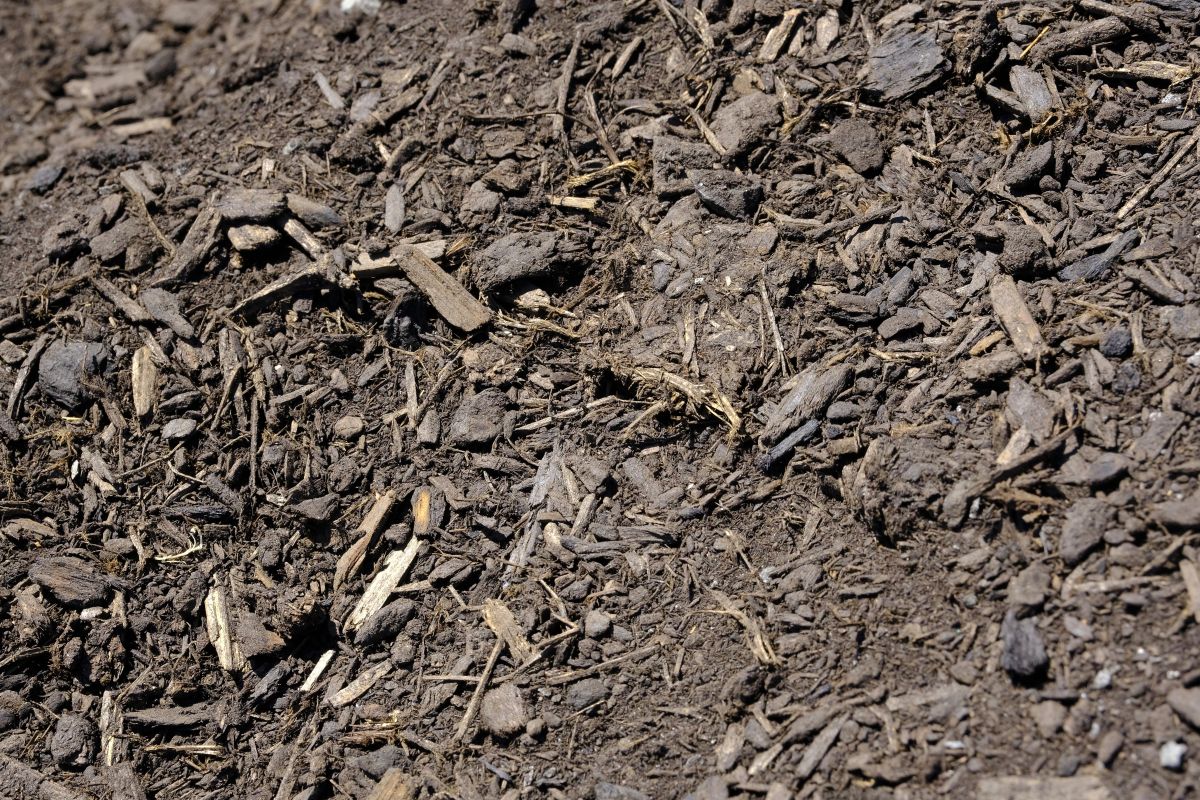
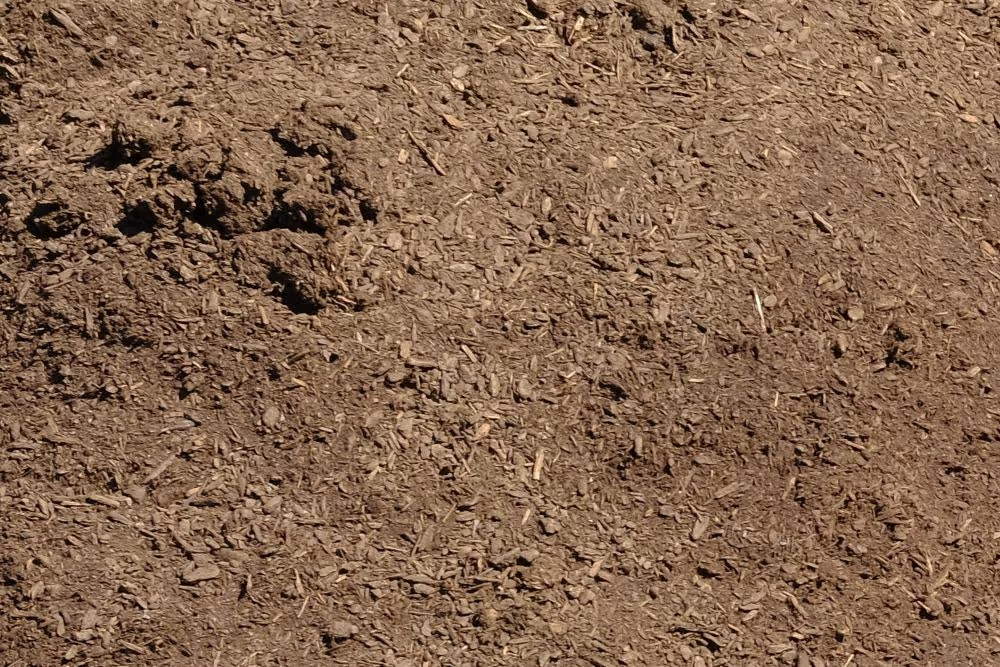
Fine barkdust has a soft, soil-like texture and a more uniform appearance.
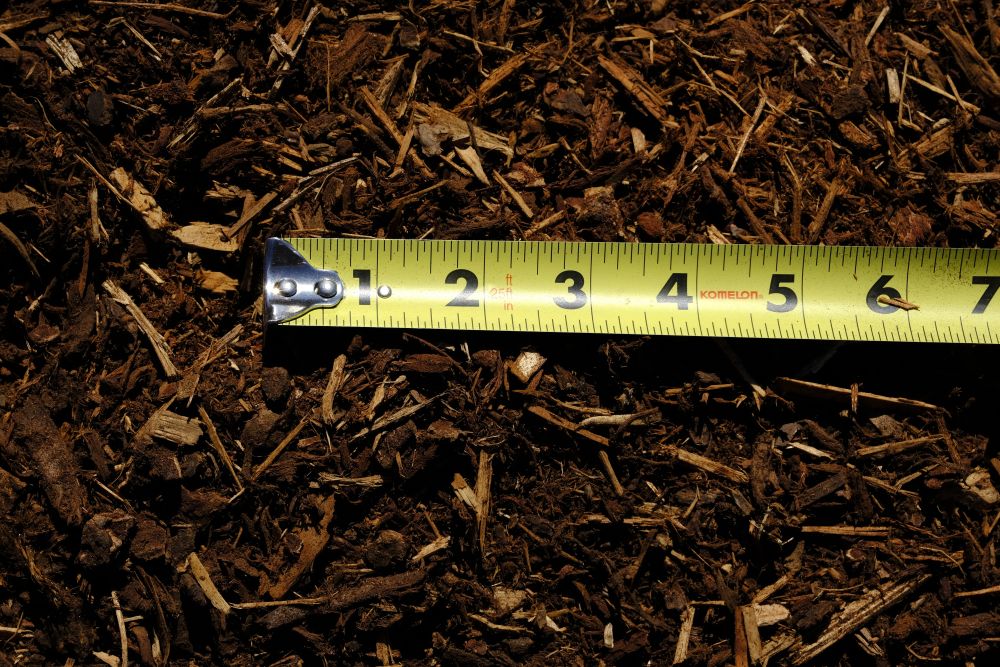
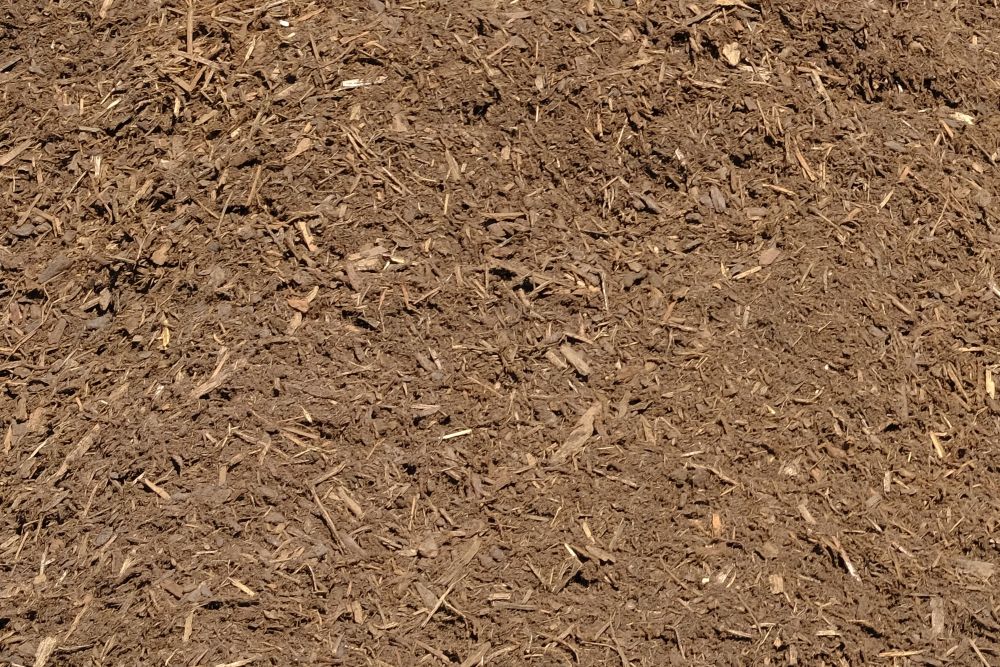
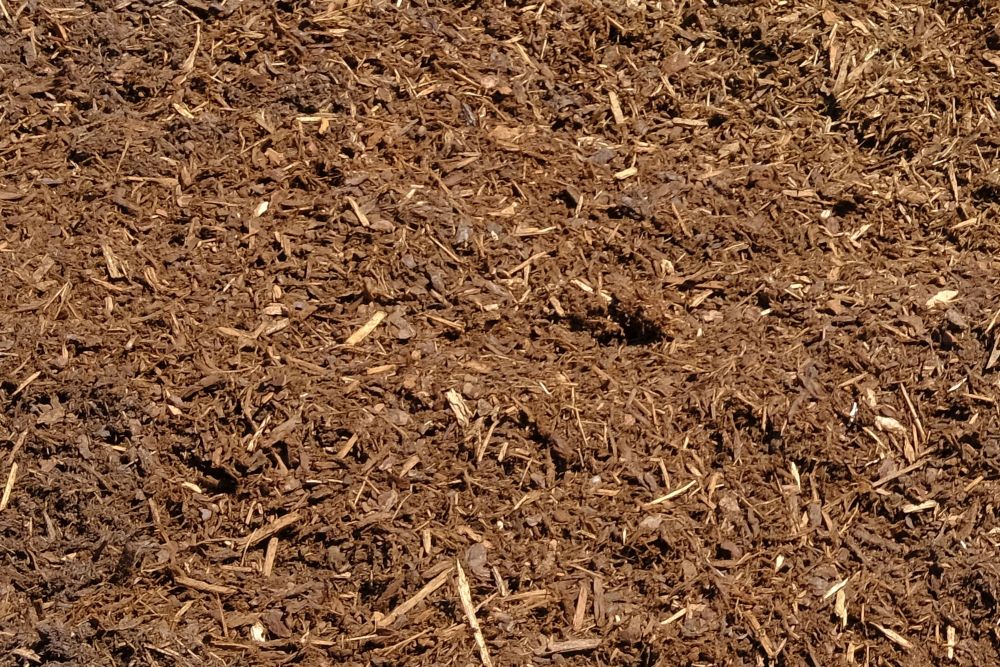
Medium bark is the most versatile option and a common “default” choice.
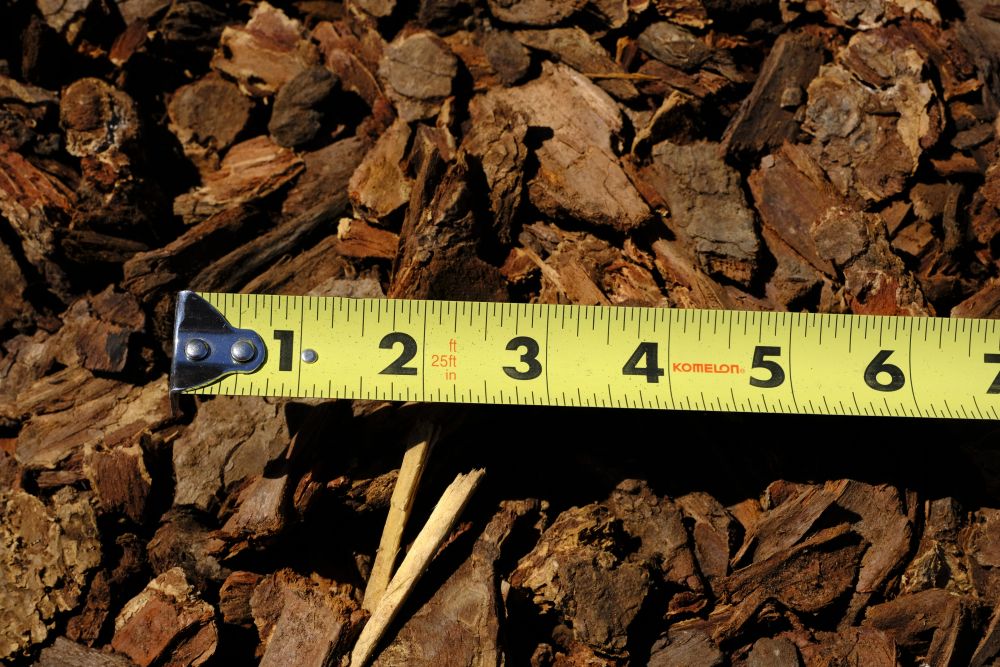
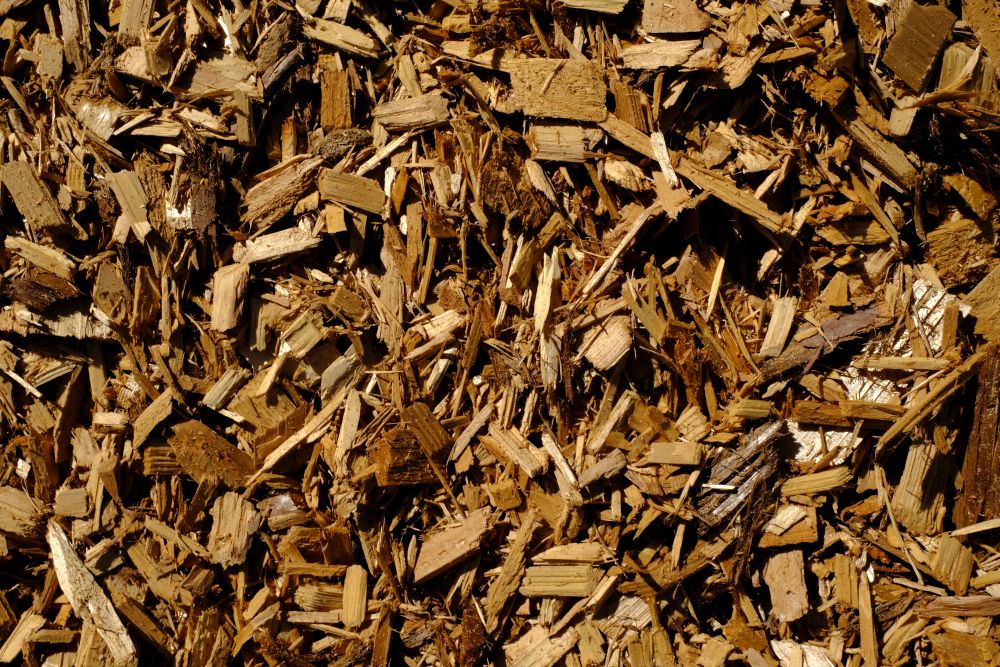
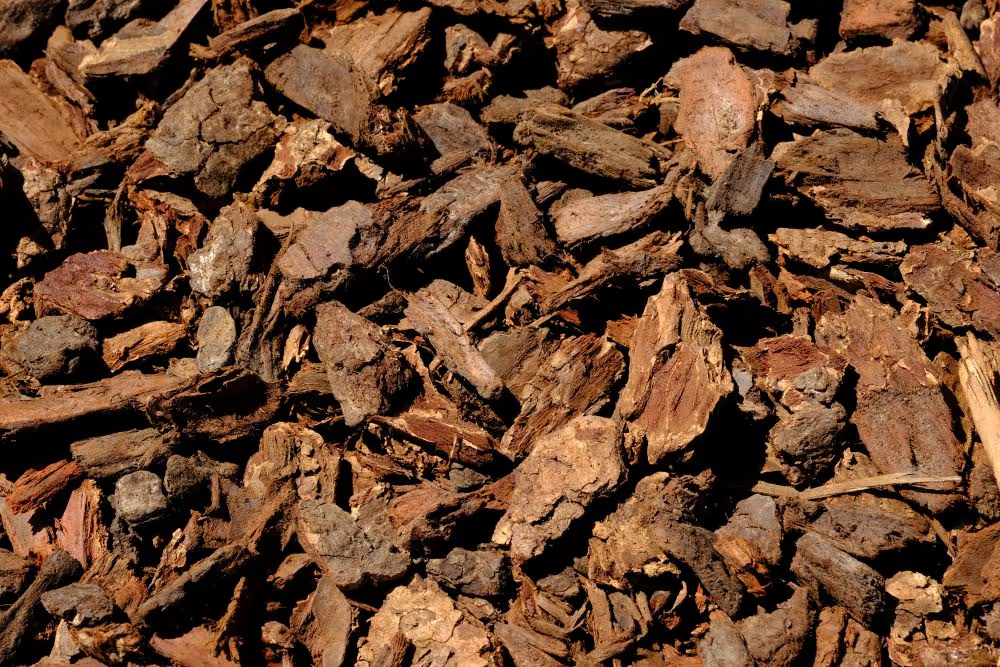
Bark nuggets are larger, chunkier pieces that last the longest.
Depth is where most bark applications go wrong. Too thin, and weeds take over quickly. Too thick, and you can suffocate plant roots or create moisture issues.
For most flower beds, the ideal depth depends on whether you are refreshing or starting from scratch.
For beds that are freshly prepared or being fully re-done:
This depth:
If bark is already present but has broken down:
This restores:
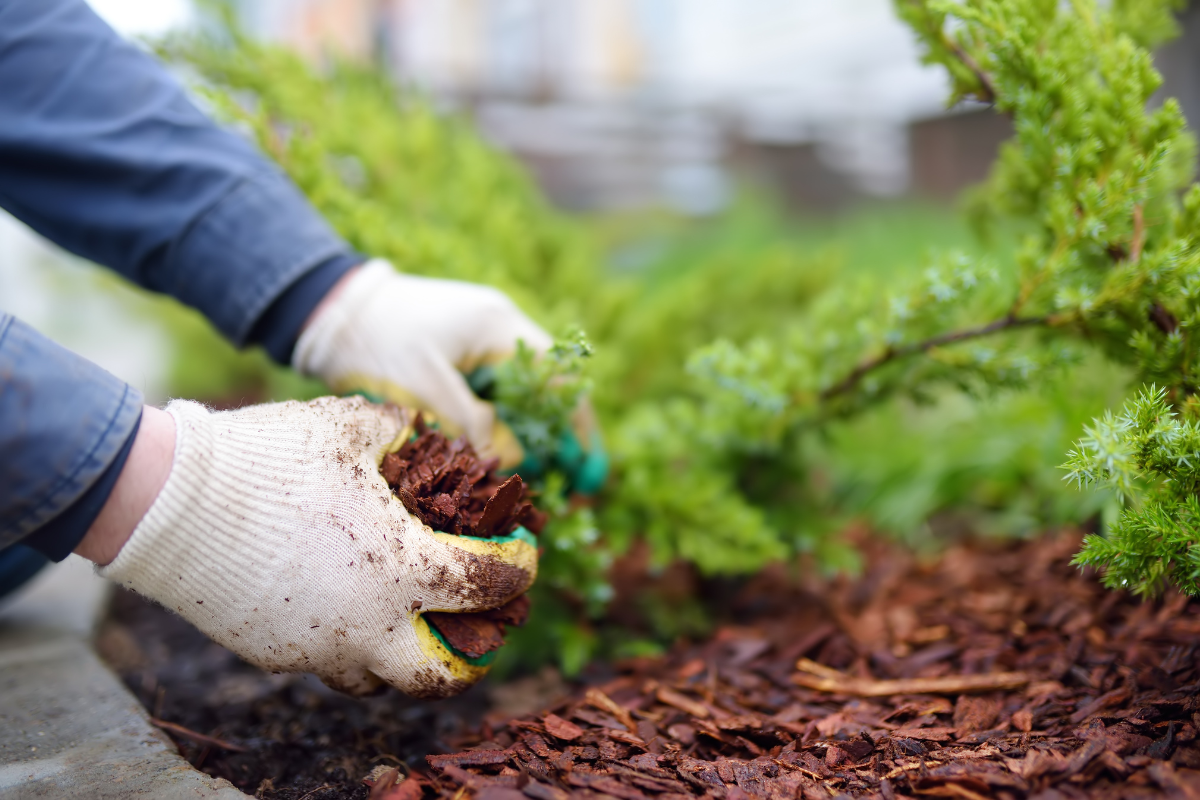
More is not always better. Going beyond 4 inches consistently can:
The goal is coverage, not piling.
If you’re unsure how much you need or which barkdust is best for your specific project, Schlegel can help you choose the right material and get the quantities right the first time. Get in touch with us today to get all of your questions answered